DC Comics - The Riddler

The Riddler Arkham File: The Dark Psychology Behind Gotham’s Greatest Ego

Edward Nygma enters our Arkham Files with his intellect and obsession with puzzles. Explore the dark psychology behind his fixation on admiration, his need to outsmart Batman, and his profound grandiosity.

The Riddler is one of Arkham Asylum’s most underestimated villains. Unlike Gotham’s most eccentric sociopaths or grief-driven criminals, Edward Nygma is the enigmatic brain, the one who incriminates himself with every crime he commits and is proud to be its creator.

Continue reading “The Riddler Arkham File: The Dark Psychology Behind Gotham’s Greatest Ego”

Dunnottar Castle - Scotland

Dunnottar Castle: The Dramatic Cliffside Fortress Behind Brave

Scotland is home to many magnificent landscapes and medieval castles. With a history stretching back to the Early Middle Ages, it is also home to one of the fortresses that helped inspire the iconic Castle DunBroch from Brave.

The History of Dunnottar

Dunnottar Castle, or Dùn Fhoithear in Scottish Gaelic, meaning “fort on the shelving slope,” is a fortress built on a rocky headland located on the northeast coast of Scotland.

Its history is believed to date as far back as the 5th century.  Although it is unknown when the site was first fortified, its earliest written reference appears in the Annals of Ulster. Two sieges were recorded in the annals, one in 681 and the other in 694.

Continue reading “Dunnottar Castle: The Dramatic Cliffside Fortress Behind Brave”
Gothic - Fairy Tale

Necrophilia: The Death Fetish Psychology Behind Snow White

For centuries, Snow White has been celebrated as one of the world’s most beloved fairy tales. Yet beneath the poisoned apple and happily ever after lies imagery that modern psychology finds surprisingly unsettling.

The Brothers Grimm Fifty-Third Fairy Tale

The German fairy tale of Snow White was first written in the early 19th century. The first edition was published in 1812 by the Brothers Grimm as part of their collection, Grimms’ Fairy Tales and was the fifty-third entry.

Continue reading “Necrophilia: The Death Fetish Psychology Behind Snow White”
Vampire

Vrykolakas: The Vampires of Greek Folklore

Vampires have existed in folklore across the world for centuries, captivating people with their immortality, their hunger, and the mysteries surrounding the undead. While many immediately think of Dracula, Greece has its own terrifying vampire: the vrykolakas. 

The vrykolakas comes from Greek folklore and is a terrifying undead creature. It shares many similarities with the vampire folklore of Slavic countries. However, unlike vampires, the vrykolakas does not primarily consume blood but instead feeds on human flesh, particularly the liver. With its appearance among other factors, the vrykolakas, in fact, resembles more the concept of a zombie or ghoul.

Continue reading “Vrykolakas: The Vampires of Greek Folklore”
Vampire

Born for the Night: How I Became a Vampire and a Vampirologist

There are two things I have always been certain of: I was never meant for the daylight, and I was born to know vampires.

While vampires in the True Blood sense do not exist, vampirologists do, and I am proud to be both: a vampire in spirit and a vampirologist in title.

One is about who I am, and the other is about why I am. But how, you might ask, can someone be both the monster and the scholar? Let me take you to the shadows where this all began.

Continue reading “Born for the Night: How I Became a Vampire and a Vampirologist”
Vampire

Vampirology: The Gothic Science of the Night

What is vampirology? Explore the folklore, history, psychology, and cultural significance of vampires through the eyes of a certified vampirologist.

A Child of the Night: Where It All Began

Before I was a vampirologist, before I was an author, even before I was diagnosed with OCD and photosensitivity, I was a girl haunted by the night.

Other children feared the dark. I was drawn to it.

Continue reading “Vampirology: The Gothic Science of the Night”
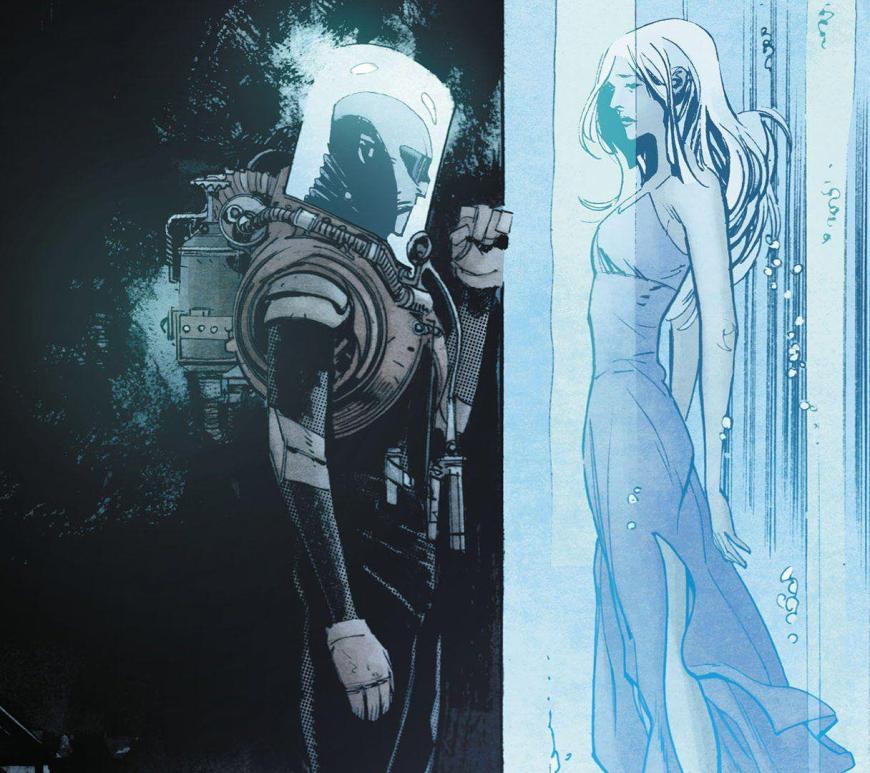
DC Comics - Mr. Freeze

Mr. Freeze Arkham File: The Dark Psychology Behind Gotham’s Frozen Mind

Mr. Freeze’s Arkham File follows Victor Fries’ transformation from an accomplished scientist into a man defined entirely by devotion. This deep psychological breakdown uncovers his misanthropy, obsessive grief, and intense experiments that turn science into obsession. Explore how Mr. Freeze transforms his pain into a personal crusade, using cryogenics as both a weapon and shield against Batman.

Mr. Freeze isn’t the typical inmate at Arkham Asylum. He may be the most emotionally burdened of them all. Unlike Gotham’s other criminals, who act on impulse, revenge, or entitlement, Fries operates with obsessive grief. He is not a madman consumed by chaos but a widow and scientist consumed by torment and obsession.

Continue reading “Mr. Freeze Arkham File: The Dark Psychology Behind Gotham’s Frozen Mind”
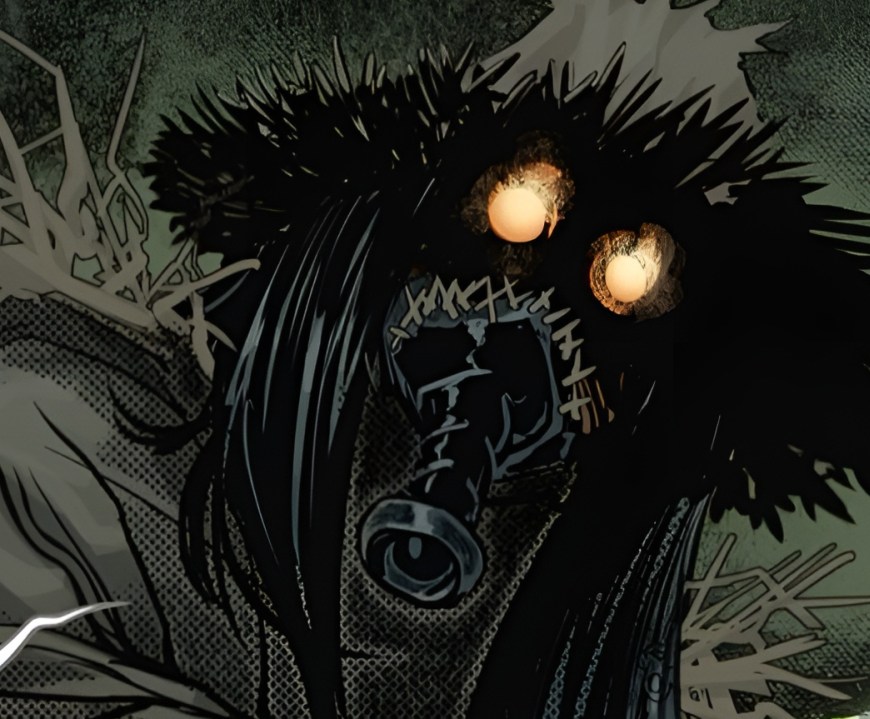
DC Comics - Scarecrow

The Scarecrow Arkham File: The Dark Psychology Behind Gotham’s Ruler of Fear

Scarecrow’s Arkham File exposes Dr. Jonathan Crane’s terrifying evolution from abused victim to Gotham’s master of fear. This deep psychological breakdown uncovers his antisocial traits, obsessive fears, and escalating experiments that turn terror into science. Explore how Scarecrow wages a chilling war of ideology against Batman through weaponized fear.

Dr. Jonathan Crane isn’t just another inmate at Arkham Asylum, he’s its most devoted scholar. Unlike Gotham’s other criminals, who act on impulse, revenge, or delusion, Crane operates with methodical precision. He is not a madman consumed by chaos but a scientist consumed by obsession.

Step inside the Arkham File and explore the psychology behind Gotham’s most terrifying adversary.

Continue reading “The Scarecrow Arkham File: The Dark Psychology Behind Gotham’s Ruler of Fear”
Cemetery

Necrophilia: Desire, Death, and the Psychology of Absolute Control

For some, fascination with death goes beyond curiosity and into something far more unsettling. This article explores the psychology, history, and meaning behind one of the most taboo paraphilias.

There are people who find beauty in death and to some of those people, beauty becomes desire and their fantasies turn into the eroticization of sexual acts with the dead. This complex sexual fantasy has a name and that name is necrophilia. It is a paraphilia focusing on the dead or in other words, corpses.

Some people believe that necrophilia solely revolves around “sick people” while others understand that it’s a delicate balance between life and death. However, this paraphilia, when taken to the extreme, exists only with non consensual practices. No amount of BDSM can save an extreme necrophiliac. 

Continue reading “Necrophilia: Desire, Death, and the Psychology of Absolute Control”
Vampire

The Medieval Vampire Burial In Bulgaria

Let’s talk about the so-called “vampire burials” found in 2004 in Bulgaria. Let’s talk about their real archeological finds, and not internet creepypasta.

What Happened In The 00s In Bulgaria?

It was in 2004 that archeologists uncovered medieval skeletons in Sozopol, a coastal town on the Black Sea. The corpses dated roughly to the 13th-14th century.

But why does it matter so much, and why is it called a “vampire burial”? Well, for once, the skeletons had iron rods driven through their chests.

Continue reading “The Medieval Vampire Burial In Bulgaria”
Paraphilia - Sexuality

Merinthophilia: Exploring the Paraphilia of Restraint, Desire, and Power Dynamics

“Bound by fate, entangled in flesh; there is no freedom in the chains, yet the chains are the escape.”

In the hidden recesses of human desire, certain fantasies involve the eroticization of restraint, a fascination with the physical act of being tied or restrained. This complex sexual attraction is known as merinthophilia, a paraphilia that focuses on sexual arousal derived from being physically bound. 

For some individuals, merinthophilia taps into a deep psychological need for control, submission, intimacy, and emotional release, exploring themes of power dynamics and vulnerability.

Continue reading “Merinthophilia: Exploring the Paraphilia of Restraint, Desire, and Power Dynamics”
Cinderella - Fairy Tale

The Cinderella Complex: Ascension and Transformation Fantasy as a Psychological Phenomenon

Fairy tales have long been a source of psychological exploration, offering complex narratives that connect deeply with human desires, fears, and fantasies. One of the most iconic stories in this regard is Cinderella, a tale that explores themes of transformation, rescue, and ultimate ascension from a life of hardship to one of royalty. 

For many, the story is simply one of hope that one day they might experience their own “magical” transformation. However, for others, Cinderella represents a deeper psychological phenomenon, one that can be linked to the “Cinderella Complex” and even to ascension or transformation fantasies that have connections to paraphilic behaviour.

In this article, we will explore the psychological dynamics of ascension and transformation fantasies in relation to Cinderella. Specifically, we will delve into how these fantasies might function within the context of a complex such as the Cinderella Complex, the potential paraphilic aspects tied to personal growth through external forces, and the psychological implications of believing in the possibility of sudden, magical changes in life.

Continue reading “The Cinderella Complex: Ascension and Transformation Fantasy as a Psychological Phenomenon”
Schizophrenia - Mental Disorder

The Psychology of Dangerous Incels: Unmasking the Toxic Mindset Behind Their Rage

In recent years, the term “incel” (involuntary celibate) has entered mainstream discussions, often associated with extreme frustration, entitlement, and, in some cases, violent behaviour.

The term refers to individuals, usually men, who are unable to form sexual or romantic relationships and blame society, women, or other men for their perceived failures.

But what happens when this frustration evolves into something more dangerous? How can we understand the mindset of incels who resort to violence, misogyny, narcissism, and manipulation?

Continue reading “The Psychology of Dangerous Incels: Unmasking the Toxic Mindset Behind Their Rage”
Mirror

Exploring Spectrophobia: The Paraphilia of Mirrors and the Fear of Reflection

Spectrophobia, a psychological condition often linked with paraphilic tendencies, is the intense fear or obsession with mirrors and one’s reflection. But, is it truly about the fear? Or is it the unseen desires and psychological distortions that linger in the glass?

“Do not look,” they warned. But what if the desire lies not in the act of avoidance…but in the reflection itself?

In the gothic silence of night, when shadows stretch and the world is caught between the breaths of light, some hearts pulse with an unspoken terror. Spectrophobia is one of the most misunderstood phobias, where fear and obsession blend, creating a sense of strange, captivating allure. Some may view it as a purely irrational fear; others, as a deeper psychological condition, lurking beneath the surface, seeking control.

Continue reading “Exploring Spectrophobia: The Paraphilia of Mirrors and the Fear of Reflection”
Disney - 1959 - Sleeping Beauty

Somnophilia: The Sleep Fetish Psychology Behind Sleeping Beauty

For centuries, Sleeping Beauty has been celebrated as one of the world’s most beloved fairy tales. Yet beneath the enchanted sleep and true love’s kiss lies imagery that modern psychology finds surprisingly unsettling.

The Origins of Sleeping Beauty

The earliest known story resembling Sleeping Beauty appears in the anonymous French romance Perceforest. It was written in French between 1330 and 1344. Similar themes also appear in the Catalan poem Frayre de Joy e Sor de Paser between 1320 and 1340.

Continue reading “Somnophilia: The Sleep Fetish Psychology Behind Sleeping Beauty”
Medieval — Plague Doctor

Therapeutic Phlebotomy Or Bloodletting Has A Medieval History

Many people are fascinated with medieval medical procedures and want to know how people survived them. So, let’s explore the history of bloodletting.

The Overall Humourism Meaning Of Bloodletting

Bloodletting, or by its otherwise name, therapeutic phlebotomy, consists of the withdrawal of blood from a human body or patient. Back then, people believed that it would cure and prevent diseases. The classical way to eject blood from the body was either accomplished by the physician of the time or leeches. 

But what do I mean by humourism? Well, in Ancient Greece and Rome, philosophers and physicians adopted what they would call “humourism” as a system of medicine to describe the workings of the human body. Is your head spinning around like Regan in The Exorcist yet?

Continue reading “Therapeutic Phlebotomy Or Bloodletting Has A Medieval History”
PARAPHILIA - SEXUALITY

Do You Have Paraphilias, And Don’t Know It?

The word paraphilia has quite a history in itself. A lot of people associate it with dark and murderous sexual behaviours. However, paraphilias are much more complex than that. Let’s dive into the complexity of the word!

The Overall Generalization Of Paraphilias

People automatically associate paraphilias with sexual depravity, often leading to criminal acts. However, that isn’t the case, and more precisely, one is not exclusive to the other. We owe this misconception to centuries of shaming sexuality, religion, and close-minded doctors and pharmacists.

We are aware that medical procedures have to start somewhere and that it is understandable mistakes would occur. Like many other fields, medicine depends on learning and experimenting. However, some of the worst horror stories of learning come from psychiatry. 

Continue reading “Do You Have Paraphilias, And Don’t Know It?”
Microphone

GBM Interviews Author David Wilson

At Gothic Bite Magazine we love welcoming new patients to become part of our asylum. We question them and learn about them. It doesn’t matter what creative field they are part of because they’re our patient now. This week, we welcome David Wilson.

Patient Name: David Wilson

Thank you for this opportunity! My name is David Wilson, and I was born in Bangor, Maine, a city known for a much more famous horror genre author. I’ve lived in Maine my entire life. 

As a kid, I was hooked on horror movies, especially the classics and anything specifically from George Romero, Sam Raimi, or Lucio Fulci. I also enjoyed the old stuff starring such greats as Bela Lugosi, Christopher Lee, and Boris Karloff. I was also an avid collector of comics, including the scary stuff.

Continue reading “GBM Interviews Author David Wilson”
Paraphilia - Sexuality

Are The Masochism and Sadomasochism Paraphilia Disorders?

What is it about pain that arouses you the most, giving it or receiving it? Masochism is a word we often read but use in sarcastic situations. We also associate them with BDSM, but are we wrong?

But First: What is A Paraphilia

While the word ‘paraphilia’ is often linked to darker tones of sexuality, there is more to it than meets the eye. In reality, the etymology of the word ‘paraphilia’ comes from ancient Greek, meaning ‘para-beside’ and ‘philia-friendship or love.’ We’re far from the standard kinky sexual fantasies definition we associate with it!

Paraphilia is a term that goes back to the very beginning of 1900. It first described people with atypical social behaviour encompassing sexual interests. Keep in mind that those who judged a person’s normality were those who followed what society dictated as ‘normal.’ We’re talking plain sexual positions, nothing in terms of interactions, in a bedroom at night type of setting. Anything to put people in boxes.

Continue reading “Are The Masochism and Sadomasochism Paraphilia Disorders?”

Did You Know That Vlad The Impaler, Cried Tears Of Blood?

Many things are said about the Prince of Wallachia, known as Vlad the Impaler. He was the guy who impaled people. He is the vampire Count Dracula. But have you heard of him crying blood tears?

What Do We Know About Vlad The Impaler?

Vlad the Impaler lived in the 1400s or close to the end of the Middle Ages and the beginning of the Renaissance era. Romania was separated into three principalities: Wallachia, Transylvania and Moldavia. He was the middle child of a family of three sons. His mother was a noblewoman, while his father was Vlad Dracul II, Prince of Wallachia.

Vlad Dracula was a Christian-Orthodox, as was Wallachia, placed between the Roman Catholic Empire and the Islamic Ottoman Empire. Due to political and religious conflict, Wallachia was a vassal state rather than a country in its own right. When Vlad Dracula took over the throne, he put Wallachia on the map and grew its legend.

Continue reading “Did You Know That Vlad The Impaler, Cried Tears Of Blood?”