
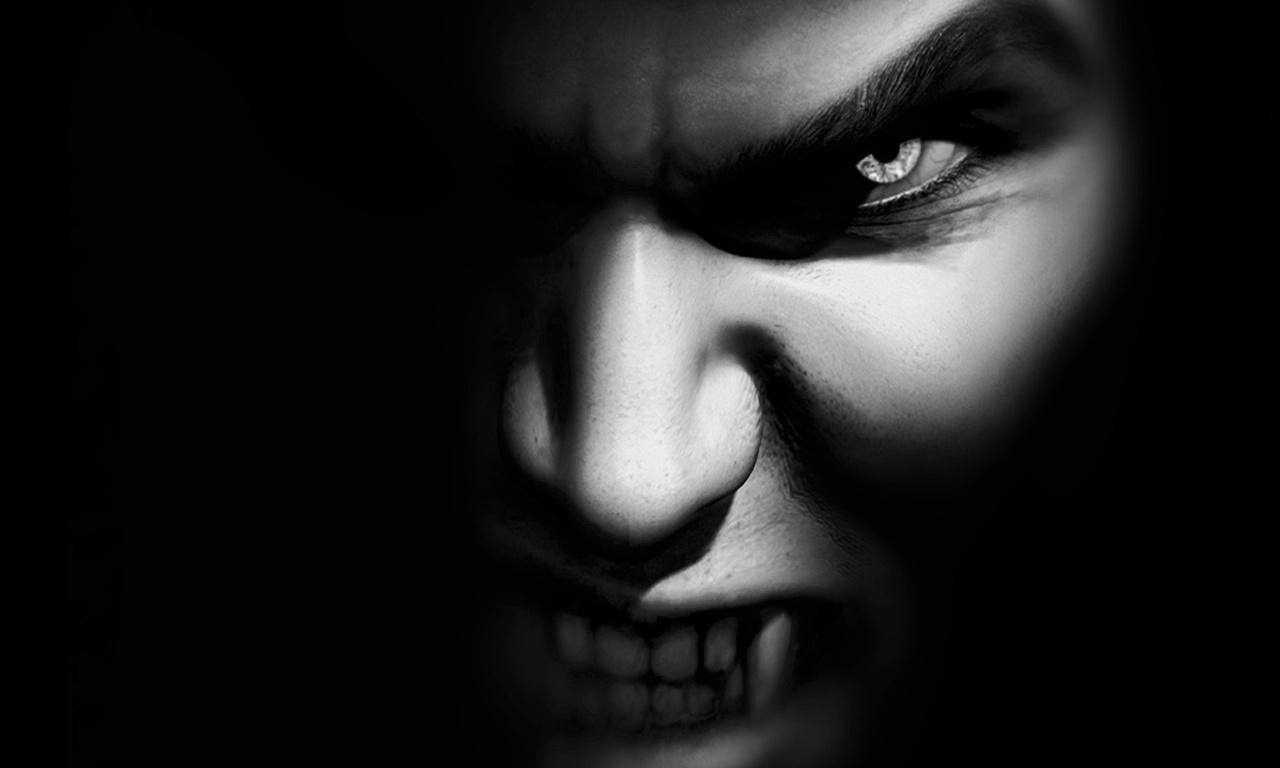
Vampires have existed in folklore across the world for centuries, captivating people with their immortality, their hunger, and the mysteries surrounding the undead. While many immediately think of Dracula, Greece has its own terrifying vampire: the vrykolakas.
The vrykolakas comes from Greek folklore and is a terrifying undead creature. It shares many similarities with the vampire folklore of Slavic countries. However, unlike vampires, the vrykolakas does not primarily consume blood but instead feeds on human flesh, particularly the liver. With its appearance among other factors, the vrykolakas, in fact, resembles more the concept of a zombie or ghoul.
The Etymology of the Vrykolakas
The word vrykolakas comes from the Bulgarian word vǎrkolak and it means werewolf. It is from the Slavic mythology and can be recognized in languages such as Lithuanian and Romanian. The term has influenced several Slavic languages as well as Romanian, although its meaning has shifted depending on the region.
In Croatia and Montenegro, the word vukodlak, meaning vrykolakas, has come to mean vampire. In Bulgaria, in its original folklore, the vǎrkolak is seen as a sub-species of vampires without any wolf features.
What Does A Vrykolakas Look Like
Those who could become a vrykolakas had to die a certain way. According to Greek folklore, a person could become a vrykolakas if they had lived a sacrilegious life, been excommunicated, or were buried in unconsecrated ground.
Another belief held that anyone who ate the flesh of a sheep previously wounded by a wolf or a werewolf could also become a vrykolakas. It was also a common belief that a werewolf would become a vampire after death. It would retain its fangs, hairy palms and glowing eyes.
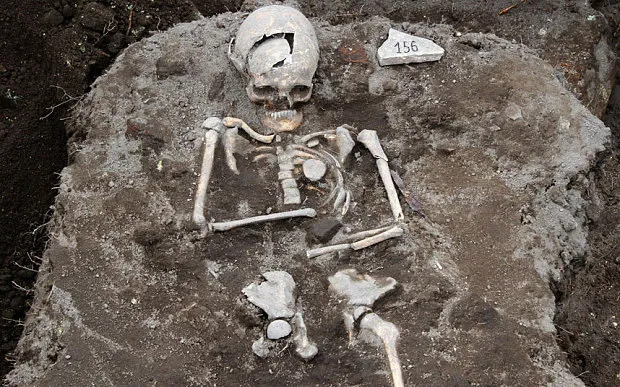
The vrykolakas has the same physical appearance and characteristics as the vampires found in Balkan folklore. Like many Balkan vampires, the vrykolakas is said not to decay after death. Its body swells, develops a ruddy complexion, and appears unnaturally well preserved.
Near the region of modern Serbia, it was believed that people with red hair and grey eyes were vampires.
The Actions of the Vrykolakas
The vrykolakas is a dreadful creature and very harmful in its wake. From leaving its grave and roaming about to engaging in ghost-like action. It was also believed to cause plagues in its community.
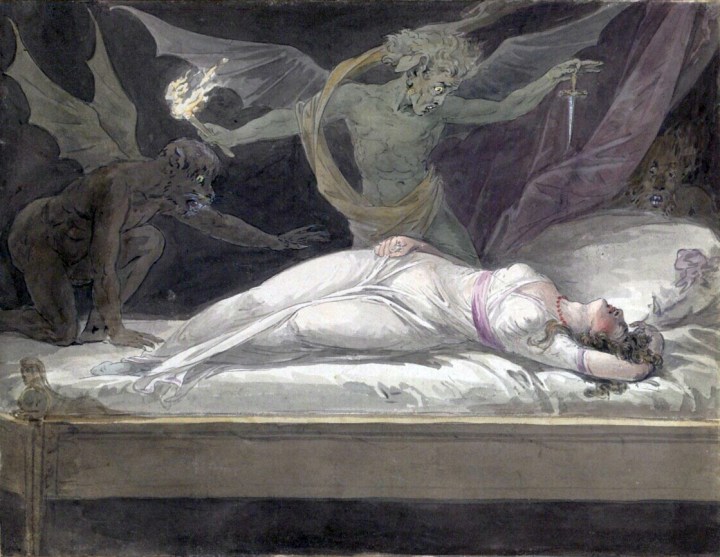
Its most common behaviour is knocking on a door once and calling the name of the resident. If nobody answers, the creature moves on. But if someone responds to its call, that person is believed to die within a few days and may return as a vrykolakas themselves.
Another legend speculates that the vrykolakas, like an incubus and vampires from the Bulgarian folklore, sits on people’s chest when they are sleeping.
However, unlike the vampire and its thirst for blood, the vrykolakas is known to be a cannibal and go after human livers.
How To Dispose of A Vrykolakas
The vrykolakas grows stronger and more powerful when left alone. To remedy that, people developed methods to dispose of the body. According to folklore, disposing of a vrykolakas’ body could only be done on a Saturday due to it resting in its grave on that day, identical to the Bulgarian vampire folklore.
The ways to dispose of the body vary from exorcism, impaling, beheading, cremating, to dismembering bodies suspected of becoming undead.
How To Prevent The Rising of A Vrykolakas
In modern Greek folklore, the people believed to rise as a vrykolakas were buried with a wax cross and a piece of pottery with the inscription “Jesus Christ conquers” on their body.
In Europe, they also severed the tendons at the knees. Another method involved leaving seeds or sand at the grave site. According to folklore, the creature would become compelled to count every grain before it could continue, delaying it until sunrise. However, these methods are mostly known for vampires than vrykolakas.
In Conclusion…
Although often overshadowed by Dracula and the vampires of Eastern Europe, the vrykolakas remains one of the most fascinating undead creatures in world folklore. Blending elements of vampires, revenants, and ghouls, it reminds us that nearly every culture has imagined its own version of death refusing to stay buried.

