
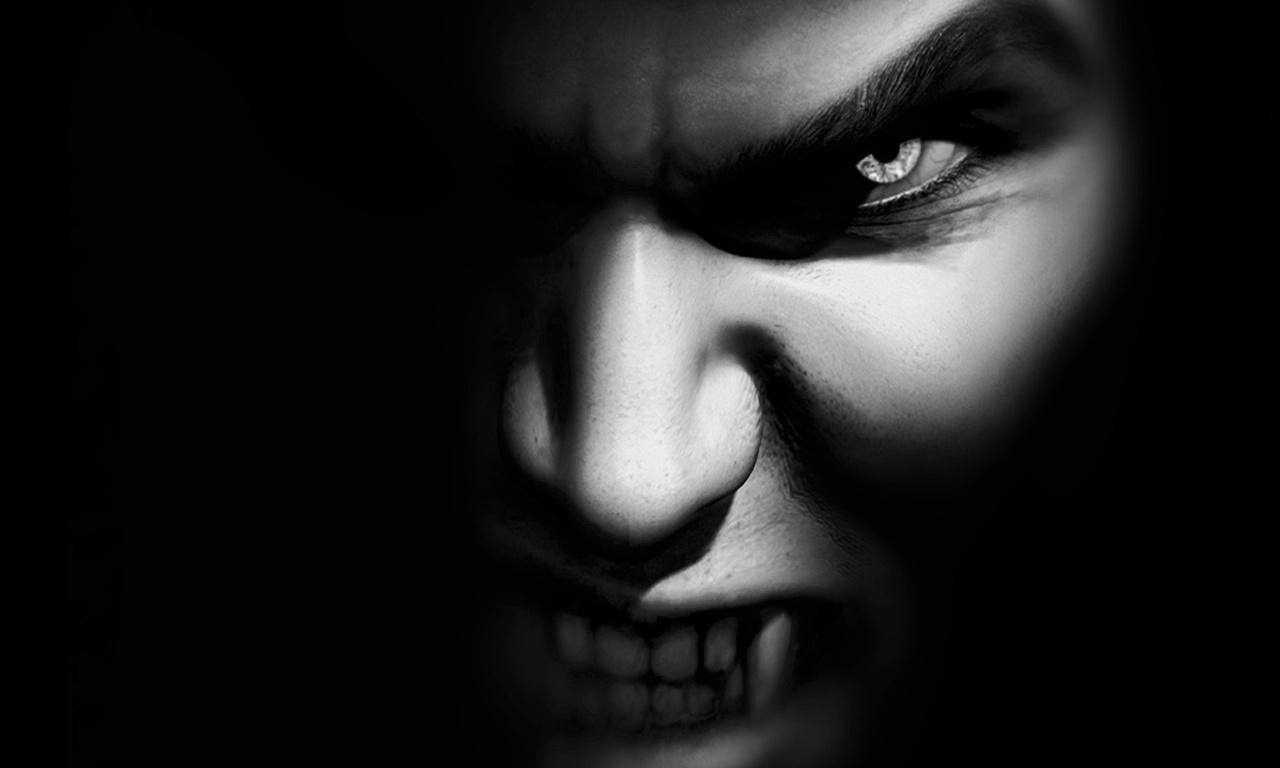
What is vampirology? Explore the folklore, history, psychology, and cultural significance of vampires through the eyes of a certified vampirologist.
A Child of the Night: Where It All Began
Before I was a vampirologist, before I was an author, even before I was diagnosed with OCD and photosensitivity, I was a girl haunted by the night.
Other children feared the dark. I was drawn to it.
While other kids were dreaming of fairies or princesses, I was sketching fangs, reading Dracula, and wondering what lurked in the shadows. The grotesque never frightened me: it fascinated me. Death wasn’t something I feared, it was a mystery I longed to understand. I wasn’t obsessed with dying. I was obsessed with what came next.

By the time I was old enough to read folklore on my own, I realized something striking: every culture on Earth has its own vampire. A blood drinker, a shadow stalker, a creature that haunts the boundary between life and death. They may not always be called vampires, but the essence is always there.
That obsession never left. It led me to my studies, my certification, and eventually, to becoming a professional vampirologist.
What Is Vampirology, Really?
Vampirology is the study of vampires across folklore, history, psychology, literature, culture, and reported paranormal phenomena. Rather than focusing on a single creature, it examines how the vampire has evolved across centuries and why it continues to fascinate people around the world.
This field extends far beyond the cliché of black velvet and Dracula quotes, though I have nothing against either. Vampirology seeks to understand why the vampire has endured for centuries as a symbol of death, desire, disease, power, and transformation.
History & Anthropology
Vampirology begins with human history, tracing the vampiric archetype from its earliest incarnations in ancient Mesopotamian demonology (such as Lilitu or Lamashtu) to the shadowy revenants of medieval Europe. The vampire is not confined to Eastern Europe, nor to the Gothic Victorian imagination. Civilizations as distant as the Aztecs, Chinese, Indians, and Aboriginal Australians all hold accounts of creatures who feed on vital essence, whether blood, breath, or spirit.
Anthropologically, the vampire reflects collective fears: disease, death, outsiders, and the unknown. Its rituals: staking, burning, beheading, reflect our historic desperation to make sense of unexplained death, decomposition, and disease.
Folklore & Mythology
Every culture has its own vampire.
From the Asanbosam of the Ashanti people with its iron teeth, to the Strigoi and Moroi of Romanian myth, to the Pontianak of Malaysian folklore: vampirology analyzes how these creatures function within oral traditions and spiritual belief systems. The vampire is always lurking at the fringes of the known world, reinforcing social taboos and moral boundaries.
The vampire changes with every generation. It reflects the fears, beliefs, and desires of the people telling the story. Studying those changes helps us understand both the vampire and the society that created it.
Psychology & Sociology
The vampire is more than a monster. It reflects humanity’s relationship with death, desire, fear, and the unknown.
Freud might have called the vampire an expression of the repressed id, erotic, violent, insatiable. Jung would frame it as the Shadow Self, the parts of our psyche we are too afraid to name but too enticed to ignore.
Sociologically, vampirism has become a subculture and identity. Lifestyle vampires, psychic feeders, and sanguinarians exist across the globe, with organized communities and deeply personal beliefs. As a vampirologist, I approach these groups with empathy and curiosity: not judgment.
We ask: Why do people see themselves in the vampire? And what does that say about the world they inhabit?
Cryptozoology & Paranormal Studies
There is also the cryptozoological angle, where vampirology intersects with the study of hidden species and anomalous biology.
Vampirology occasionally intersects with cryptozoology and paranormal studies. Some researchers explore how unusual biological traits, folklore reports, and unexplained experiences may have contributed to vampire legends throughout history. While these investigations rarely provide definitive answers, they offer insight into how such stories emerge and endure.
Paranormal vampirology investigates reports of hauntings, energetic feedings, and alleged encounters with vampiric entities, not to prove or disprove them, but to understand their symbolic and experiential significance.
Literature & Pop Culture
Vampirology is also a literary study. From Sheridan Le Fanu’s Carmilla to Bram Stoker’s Dracula, from Anne Rice’s Lestat to Charlaine Harris’ Sookie Stackhouse Series, every vampire in literature reflects the anxieties and aesthetics of their time.
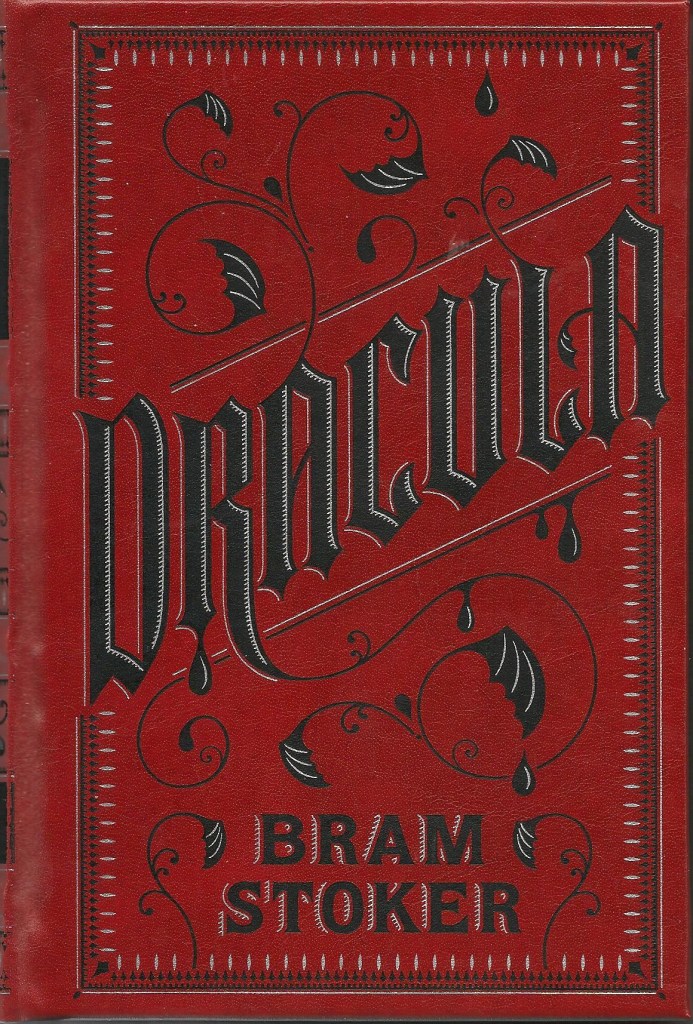
We study how the vampire has evolved from grotesque monster to romantic anti-hero, and how vampire stories explore themes such as sexuality, addiction, identity, power, and otherness.
The vampire has appeared in opera, comics, cinema, anime, television, gaming, and ballet, making it one of the most enduring figures in popular culture. Understanding it requires both academic discipline and fan devotion.
Medical Phenomena & Anomalies
Lastly, vampirology touches the realm of medical anomalies that may have inspired, or still resemble, vampire-like symptoms:
- Porphyria – a rare disorder that causes sensitivity to sunlight, receding gums (fang-like appearance), and a need for blood products
- Photosensitivity disorders – leading to extreme aversion to daylight
- Iron metabolism conditions – possibly contributing to blood cravings
- Odaxelagnia – the paraphilia of biting
- Renfield’s Syndrome – though disputed, some have pathologized blood consumption under this umbrella
Even genetic mutations or metabolic disorders that alter behaviour, appearance, or sleep-wake cycles can offer clues to the vampire archetype’s biological plausibility.
Medical conditions do not create vampires, but they help explain how vampire beliefs may have developed. Studying these conditions offers valuable insight into the intersection of folklore, medicine, and human perception.
Across folklore and fiction, the vampire often represents forbidden desire, immortality, predation, grief, and the fear of death itself. These recurring themes help explain why the vampire remains one of humanity’s most enduring archetypes.
We study how these archetypes appear in media (Dracula, Carmilla, Interview with the Vampire, Dead As A Doornail) and how they influence people who identify as real vampires, whether sanguine, psychic, or lifestyle-based. I do not judge them. That’s not my job. My job is to understand.
Vampires in Pop Culture and Entertainment
Vampirology is not confined to folklore archives and academic texts. I’ve been hired as a consultant for creative projects, and interviewed on podcasts to explore vampires in horror, literature, and media. The vampire continues to appear throughout modern culture, from literature and film to television, comics, and gaming.
I explore:
- Classic horror films like Nosferatu
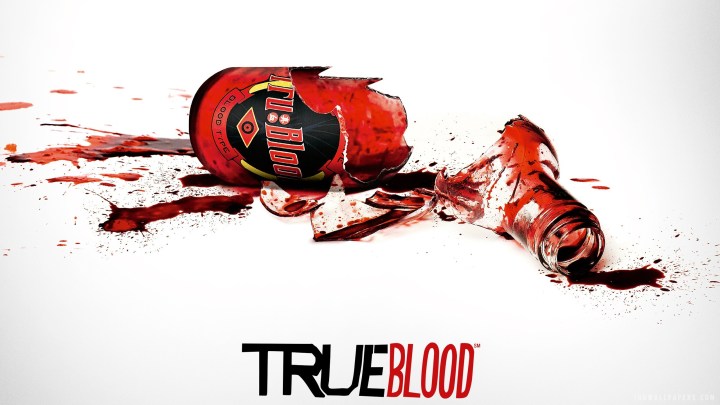
- Modern series like The Originals, True Blood, and Hemlock Grove
- Romantic vs. feral vampire portrayals
- Vlad the Impaler and Elizabeth Báthory as historical inspirations
- The evolution of the vampire’s image from grotesque to gothic romantic
Vampires evolve alongside our fears. When we feared disease, they were plague-bearers. When we feared sexuality, they were seducers. When we feared aging, they became eternally young.
Why Vampirology Matters Today
Vampirology isn’t just about monsters. It’s about humanity’s relationship with its own shadow. With death. With desire. With what we fear in others, and in ourselves.
It teaches us empathy. Curiosity. Open-mindedness. And maybe it reminds us that this world is not as grey, sterile, or explainable as we pretend it is.
Folklore continues to endure because it speaks to questions humanity has never fully answered. The stories change, but the fascination remains.
Vampirology is the study of one of humanity’s oldest and most enduring obsessions. Through folklore, history, psychology, literature, and culture, it seeks to understand why the vampire continues to survive long after so many other legends have faded.
 Gothic Bite Magazine