
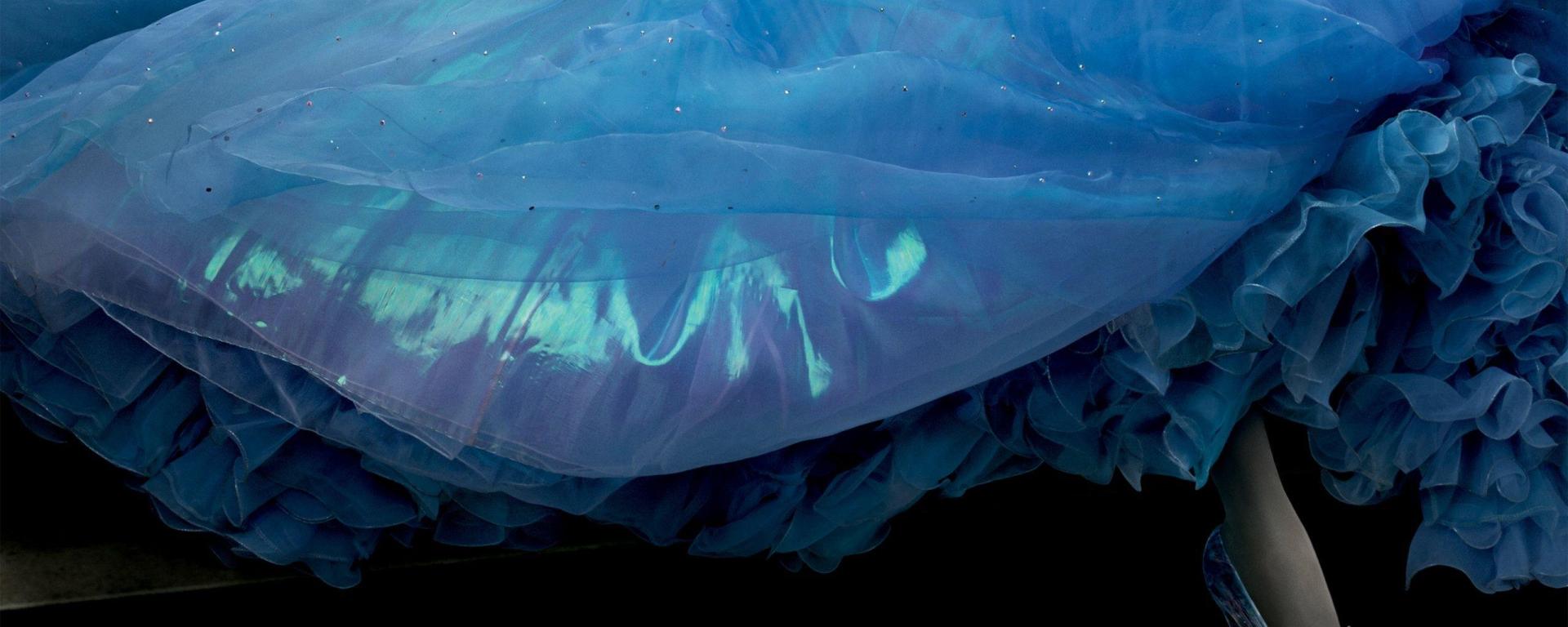
For centuries, Cinderella has been celebrated as one of the world’s most beloved fairy tales. Yet beneath the glass slipper and happily ever after lies symbolism that modern psychology finds surprisingly intriguing.
The Origins of Cinderella
The earliest known Cinderella fairy tale appeared in Ancient Egypt during the 1st century BCE in the form of Rhodopis.
Ye Xian is a Chinese tale dating to around AD 850 and is widely regarded as one of the earliest versions of the Cinderella story. It was written by Duan Chengshi and was published by the Tang dynasty in the compilation Miscellaneous Morsels from Youyang.
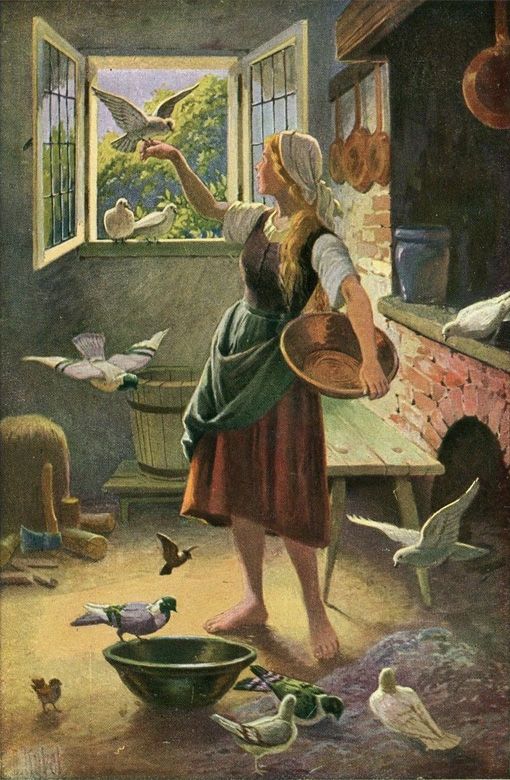
La Gatta Cenerentola was the first Western European version of Cinderella. It was written by Italian author Giambattista Basile and published in his Pentamerone collection in 1634.
The version most widely known comes from France and is titled Cendrillon, which then became Cinderella in English. It was written by Charles Perrault in his Histoires ou Contes du Temps Passé in 1697.
The German authors known as the Brothers Grimm then published their version of Cinderella in 1812 under the title Aschenputtel as part of their collection Grimms’ Fairy Tales.
Although each version differs in its details, one object gradually became inseparable from Cinderella herself: the slipper.
The Fairy Tale We Think We Know
Rhodopis (1st century BCE)
The tale of Rhodopis was recorded from the Greek historian Strabo in the first century BCE. The story revolves around a Greek slave girl in Ancient Egypt. Her rose-red sandal is snatched by an eagle, which drops it onto the lap of a pharaoh who is captivated by the tiny slipper. The pharaoh searches throughout his kingdom for its owner and, once he finds her, marries the young woman.
Ye Xian (850 AD)
After the death of her parents, the kind-hearted Ye Xian is forced into servitude by her cruel stepmother. Her only comfort comes from a magical golden fish, a guardian spirit connected to her late mother.
Consumed by jealousy, her stepmother kills the fish. An old spirit tells Ye Xian to bury its bones, whose magic grants her wishes.
When her stepmother prevents her from attending the New Year Festival, Ye Xian wishes upon the enchanted bones and is dressed in magnificent clothing with a pair of tiny golden slippers.
Mistaken for a princess, Ye Xian flees the festival before her identity is discovered, leaving behind one of her golden slippers.
The slipper eventually reaches the King of the To’Han islets, who vows to marry its owner. When it fits Ye Xian perfectly, he asks for her hand in marriage despite her stepmother’s objections. Ye Xian becomes queen, while her stepmother and stepsister later perish in a cave-in after a violent quarrel.
La Gatta Cenerentola (1634)
Zezolla is the daughter of a prince whose second wife mistreats her. At the urging of her tutor, Carmosina, Zezolla kills her stepmother so Carmosina can marry her father instead.
After marrying the prince, Carmosina eventually reveals her true nature. Along with her six daughters, she forces Zezolla into servitude, leaving her to live by the kitchen fire. It is from this that she becomes known as Cenerentola (“Cinderella.”)
Before leaving for Sardinia, the prince asks his daughters what gifts they desire. The prince forgets Zezolla’s request to seek the Dove of the Fairies. Forced to return, he receives a magical date tree from which a fairy later emerges to grant Zezolla’s wish of secretly attending the royal festivities.
Using the fairy’s magic, Zezolla attends the royal ball in magnificent clothing. The king is captivated by her beauty, but she escapes before he can discover her identity by scattering gold coins behind her.
At the second ball, Zezolla again escapes the king’s pursuit by scattering pearls and precious gems behind her.
At the third ball, Zezolla flees in haste and loses one of her slippers. The king’s servant retrieves it and brings it back to the king.
The king summons every woman in the kingdom to try on the slipper. When Zezolla finally appears, the slipper magically leaps onto her foot. She becomes queen, while her stepsisters leave in humiliation.
Cendrillon (1697)
A gentleman with a kind-hearted daughter is left a widower and remarries a proud and arrogant woman who has two daughters of the same nature. She despises her stepdaughter and raises her as a servant.
The girl sleeps in the attic and warms herself by the kitchen fireplace, earning the nickname Cendrillon (“Cinderella.”) Because her father is obedient to his wife, Cinderella never complains and carries out her chores with kindness.
When the prince announces a royal ball open to all of high society, the stepsisters ask Cinderella for advice on what they should wear, and she even helps with their hair. They laugh at her inability to attend and once they leave, she cries.
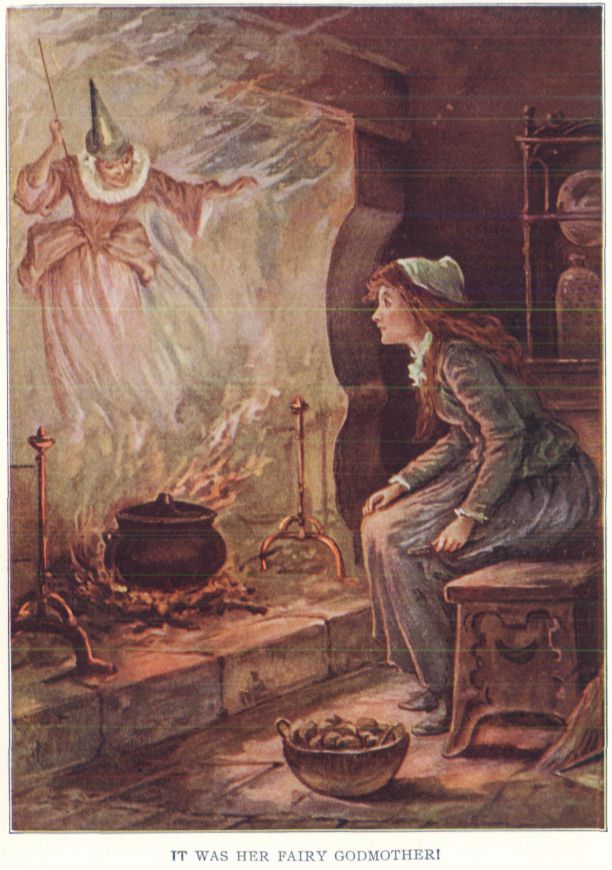
Cinderella’s fairy godmother appears and says she will attend the ball. She turns a pumpkin into a carriage, six mice into horses, a rat into a coachman and six lizards into footmen. Her rags are turned into a beautiful gown and shoes into glass slippers. The fairy godmother warns her that the magic will disappear at midnight.
Enchanted by her beauty, everyone believes her to be a princess. The prince and Cinderella dance the night away. She leaves the ball fifteen minutes before midnight and the prince asks her to come back the night after.
Even more beautiful than the night before, Cinderella spends the night with the prince and loses track of time. She runs out, leaving one of her glass slippers behind and her dress turns back into rags.
The prince announces he will marry the owner of the glass slipper. High society tries on the slipper, but it fits none of them. It is then brought to Cinderella’s home and her stepsisters laugh when she asks to try it on. When the slipper fits, Cinderella takes the matching slipper from her pocket, and her fairy godmother appears to transform her rags into a stunning gown.
The stepsisters fall at her feet and ask for Cinderella’s forgiveness, and she pardons them. She kisses them and says she wants to be their friend. Cinderella is then taken to the prince, and they get married a few days later.
Aschenputtel (1812)
A dying mother tells her daughter that if she’s good she will look after her from heaven. Her rich father, once a widower, marries her stepmother who brings her two daughters with her, nice-looking but cruel. Reduced to a servant, she is forced to sleep beside the kitchen fireplace among the ashes and cinders, earning the name Aschenputtel (“Cinderella.”)
The father leaves for town and asks his stepdaughters what they would like. They ask for expensive gifts, but Cinderella ask for a twig on his way home. He gives it to her, and she plants it at her mother’s grave in the garden. The hazel tree grows fast, and a bird grants her wishes.
The prince holds a three-day feast to find a bride. Although birds help Cinderella complete impossible chores set by her stepmother, she is still forbidden from attending.
The bird grants Cinderella a beautiful dress and golden slippers. At the feast she captivates the prince before escaping home, changing back into her old clothes beneath the hazel tree.
On the second evening, Cinderella again escapes the prince by hiding in a pear tree.
On the third evening, Cinderella flees in haste, leaving behind one of her golden slippers. The prince vows to marry the woman whose foot fits the golden slipper.
The first stepsister cuts off her big toe to force the slipper to fit, but the birds reveal the blood to the prince and expose the deception.
The second stepsister cuts off her heel, but the birds again reveal the deception.
Despite her stepmother’s objections, Cinderella tries on the slipper. It fits perfectly, and the prince recognizes her as the mysterious woman from the feast.
At the wedding, the stepsisters are punished by the birds who peck their eyes out.
Word of Warning
It is important to distinguish literary symbolism from clinical psychology. Fairy tales are not psychiatric case studies, and there is no evidence that Giambattista Basile, Charles Perrault or the Brothers Grimm intended to portray retifism. However, psychologists and modern readers have observed that the fairy tale places an unusual emphasis on footwear, particularly the glass slipper as an object of beauty, identity, and desire.
Cinderella Is Not Recognized By Her Face
Whether it is the king from La Gatta Cenerentola, or the prince from Cendrillon or Aschenputtel, Cinderella captivates everyone with her beauty and grace, yet it is her slipper that ultimately proves her identity.
She spends hours dancing with the king in Basile’s version and with the prince in Perrault’s and the Brothers Grimm’s versions. Two tales have her attend the festivities over three evenings, while one spans two. It is ample time to recognize someone.
However, instead of meeting each woman in their respective kingdoms, the king and prince search for the woman who fits the slipper. While no one will ever know if the king or prince could have remembered Cinderella by her appearance, voice, or personality, we can speculate that the slipper became the fascination.
The king and prince don’t see the slipper until Cinderella leaves the ball in a hurry. They had no idea what her footwear looked like until one of them is left behind. Their servant presents them with the slipper, and they begin to form an attachment to it.
The Glass Slipper
In 1697, Cendrillon, written by Charles Perrault, gave us the most iconic piece of fairy tale history: the legendary glass slipper. The other tales feature a rose-red sandal, silk slippers, silver slippers, and golden slippers. But Perrault made it unforgettable by creating a pair of slippers made of glass.
While it is impossible to know why its author chose this particular material, we can discuss its plausible meaning.

No one in the kingdom would have glass slippers but Cinderella. Its rarity makes her unforgettable. Glass is delicate and fragile. It implies that Cinderella is graceful, elegant and light on her steps.
The perfection of the slippers elevates Cinderella to flawless femininity. She becomes unique, and her presence has everyone believe she’s a princess. The slippers become more than footwear; they become Cinderella herself because they represent her so well. The glass slippers are a mirror of what Cinderella is at her core.
The Prince and Retifism
In every version of the Cinderella fairy tale, the king or prince becomes captivated by the one slipper left behind. They have a strong desire to find the owner of that one slipper, which becomes the centre of the search throughout the kingdom. All eyes are on the slipper. That particular behaviour has led some readers to draw parallels with retifism imagery.
In each version of the fairy tale, Cinderella leaves a celebration in a hurry and loses one of her slippers. The king or prince develop an obsession with the slipper and would marry anyone who fit it. The slipper becomes the embodiment of Cinderella herself.
In Aschenputtel, it goes as far as having the stepsisters cut off their big toes and heels to fit the golden slipper. Yet, the prince is none the wiser and believes each of them to be Cinderella. The obsession is not as much about the woman as it is about the mystery of the slipper itself.
The parallels to retifism imagery lie not only in Cinderella’s graceful elegance, but also in her slippers. The slipper becomes a symbol of perfection and beauty and is revered by the king and prince alike. So much so that they would marry the one woman who can wear it flawlessly.
Identity Through Footwear
On the night of the ball, Cinderella is transformed, whether it is through a fairy godmother, a bird, a fish, or a fairy. She wears magnificent clothing and unforgettable slippers. Her appearance is altered. She is no longer in rags, or in some versions, covered in ashes and cinders.
Everyone at the celebration believes her to be a princess because of her stunning beauty. But when she leaves in a hurry, it is her slipper that catches the attention of the king or prince. Cinderella’s identity becomes part of the slipper she left behind.
We will never know if without the slipper, the king or prince would have tried to find her as much as they did with the slipper. Cinderella’s beauty, elegance, innocence, and grace are tied to the slipper.
Her slipper gives her status, an identity and a sense of fate. With it, she leaves proof that she exists. The king or prince now has something tangible with which to search for her throughout the kingdom. Cinderella is real because of her slippers.
Disney Softened the Horror
In 1950, Disney’s animated musical adaptation of Cinderella was released in theatres. The Disney adaptation is largely inspired by Charles Perrault’s version, with additional changes made to appeal to a broader audience.
Cinderella became a masterpiece and Disney’s greatest success since Snow White and the Seven Dwarfs. Cinderella herself became the second official Disney Princess.
Aside from the lost slipper, much of Ye Xian, La Gatta Cenerentola, and Aschenputtel is left aside in Disney’s Cinderella. Themes of being a stranger to the king, killing her first stepmother, and self-mutilation are disregarded by the studios and instead replaced with softened scenes.
In the Disney adaptation, Cinderella is orphaned after her mother dies when she is young, followed by the death of her father while she is still a child. She is then forced into becoming a servant in her own home to her stepmother, Lady Tremaine and ugly stepsisters, Drizella and Anastasia.
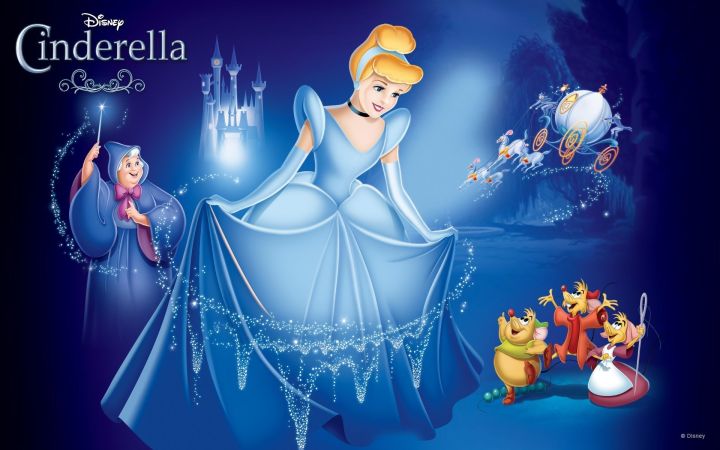
Another change is Cinderella befriending mice, especially Jaq, Gus, and Mary, birds, her dog Bruno and her horse Major. They all play a big role in keeping Cinderella company, avoiding Lucifer, the stepmother’s cat, and ultimately freeing Cinderella from the tower.
While themes of abuse remain through Lady Tremaine and the cruelty of the ugly stepsisters, a scene was added that became iconic. Lady Tremaine agrees to letting Cinderella attend the ball if she finishes her chores and finds something to wear. Cinderella finds her mother’s dress but cannot alter it herself, so the mice and birds secretly do it for her. She runs down the stairs in her new dress and the stepsisters tear it to shreds.
Cinderella runs to the garden and cries on a stone bench. One element that remains faithful to Perrault is the Fairy Godmother’s magic. She turns a pumpkin into a carriage, the mice into horses, but then Bruno is changed into the footman and Major into the coachman.
Another iconic moment retained from Perrault is Cinderella’s transformation from rags into a stunning silver gown and glass slippers. The spell breaks at midnight. She attends the ball and is instantly noticed by the prince. In this adaptation, however, Prince Charming attends the ball only because his father insists that he choose a bride.
Cinderella and Prince Charming are about to kiss when the first stroke of midnight rings out. She leaves in a hurry and loses her glass slipper. The chancellor, who was keeping an eye on Cinderella for the King, sends guards after her in vain.
A royal decree is sent throughout the kingdom, including to Cinderella’s home. Lady Tremaine announces the prince will marry the one woman who fits the glass slipper. Noticing that Cinderella is entranced by the words, she connects the dots and realizes she was the mysterious woman at the ball and traps her in her room in the tower.
When the chancellor is at Cinderella’s house, the ugly stepsisters try on the glass slipper without success. Lady Tremaine keeps the key in her dress pocket, but Jaq and Gus steal it and bring it to Cinderella, who rushes down the stairs. Lady Tremaine trips the servant with the glass slipper, and it breaks. Cinderella takes out her other glass slipper and proves she is the mysterious woman from the ball.
Prince Charming and Cinderella marry and live happily ever after.
Disney’s Cinderella became so beloved that it later received two animated sequels: Cinderella II: Dreams Come True (2002) and the highly regarded Cinderella III: A Twist in Time (2007.)
Cinderella Is Stronger Than She Appears
It is worth noting that Cinderella is a strong princess who only wished for one night away from her life as a maid. She endured a life of abuse and neglect with grace and kindness. She never complained.
She had her dream, but her stepsisters destroyed it. That is when her fairy godmother, bird, fish, or fairy stepped in to help. She went to the ball and caught the attention of the king or prince himself. She did what she wanted and had a night to herself. The ultimate happy ending is a bonus.
Cinderella also rescues herself. In the Disney version, she is the one who rushes down the stairs to try on the glass slipper. She took her rightful place and proved she fit the slipper. It takes much strength to remain kind, brave, and gentle in a world of abuse. Cinderella did it. She changed her own fate with a little help, but who doesn’t need a little push from time to time?
Final Thoughts
The glass slipper does more than identify Cinderella. It transforms an ordinary object into one of literature’s most enduring symbols of beauty, identity, and desire. Whether viewed through folklore, symbolism, or modern psychology, the fairy tale continues to invite one unsettling question: why has a single slipper become one of the most recognizable objects in storytelling?

