
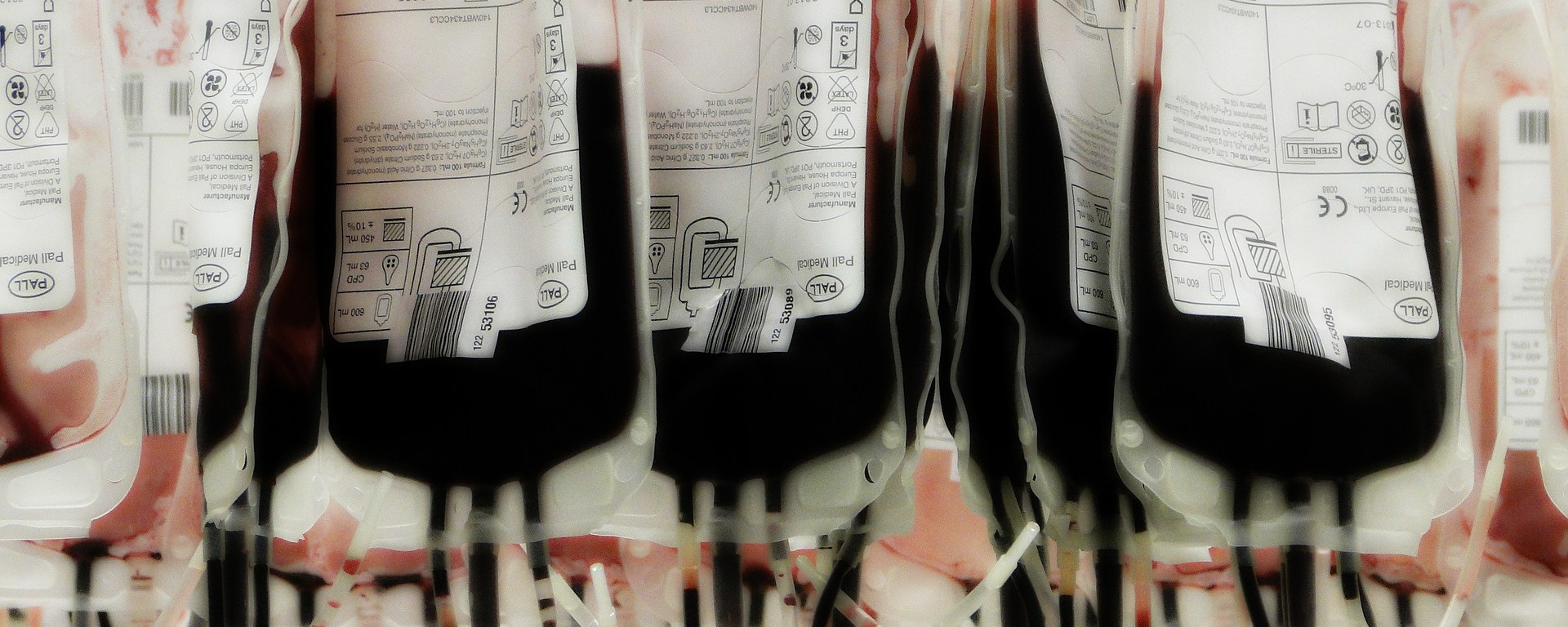
Vampires have been part of our folklore for hundreds of years. The belief in a being that subsists on blood has timelessly fascinated us. But where did vampires come from? Let’s explore the odd origins of vampires in history.
The First Origin Of The Bite
The odd origin of vampires in history—let’s dig in.
According to the Oxford English Dictionary, the word vampyre, as we know it today, dates back to the eighteenth century. However, the name itself became part of the languages of France and Germany some time before its first appearance in English.
It is also interesting to note that the English language borrowed the term vampyre from France, and possibly from Serbia as well. Many countries across Western Europe had a term, a word, or at least a description that meant vampire.
“I love the ‘Underworld‘ movies because the vampires aren’t automatically evil, yet neither are they, humans, with fangs.” — Jeaniene Frost
What the word itself meant in most countries was to thrust with force, while in others it implied a forceful bite. What is most interesting, though, is that many encounters were described as sightings. But were there actual reports from those times where someone witnessed a vampire biting someone else?
If the etymology of the word means to thrust forcefully or to deliver a forceful bite, someone must have seen something. However, it is next to impossible to pinpoint where it all began. It goes back centuries upon centuries. It is almost tempting to believe that, like humans, vampires simply spread everywhere.
The Unawareness Of The Decomposition Process
In the early seventeenth century, the process of decomposition was something people were largely unaware of.
The black plague, or bubonic plague, was now part of their past. Most corpses were incinerated, which often spread diseases through the air—but that is another topic. Those considered regular citizens were placed in coffins for burial.
Across Western Europe, many cases shared reports of sightings of presumed “dead” people. The descriptions were consistent: darkened appearance, bloating, and blood dripping from the nose and mouth. These cases were among the first revolving around “vampirism” after ancient times.
“There are such beings as vampires; some of us have evidence that they exist. Even had we not the proof of our own unhappy experience, the teachings and the records of the past give proof enough for sane peoples.” — Bram Stoker
Vampires have been part of folklore and belief for millennia. The presence of such creatures is evident in old civilizations such as the Mesopotamians, Hebrews, Ancient Greeks, and even the Romans.
They spoke of beings that came after dark, searching for their next victim. Similar figures appeared in China and within Slavic culture as well.
The Modification Of Burials
Vampires were often described as demons or restless spirits. Traditional burials required modifications meant to stop a vampire infestation. Different civilizations borrowed methods from the Ancient Greeks. They placed objects meant to appease whatever evil might attempt to take over the body, hoping to keep it at bay.
The Ancient Greeks performed a similar ritual in a different way. They placed a coin in the mouth of the deceased to pay the toll to cross the River Styx in the underworld. Some argued the practice also kept evil at bay, leading the vampire to the offering and distracting it from multiplying.
The similarities do not end there. Comparable creatures appear in African folklore, in North and South America, and widely across Asia. Many different beings resemble the vampire. Though named differently and shaped by local beliefs, the core remains the same: a creature that feeds on blood.
The population did not study their dead to understand natural decomposition. Many descriptions mention hair and nails appearing longer, along with facial hair in men. They spoke of bloating and a darker complexion.
Today, we know these to be natural processes. In those times, they were terrifying. Scientific curiosity often frightened people accustomed to ignorance. If someone was caught studying the dead, the result was suspicion of witchcraft.
Vampires In History
People once believed vampires were individuals who had lived criminal lives, practiced mutilation, committed suicide, or kept to themselves. The reasoning was simple: introversion was not understood, nor were psychological illnesses.
Vampirism spread like fire on paper. It may not have reached the same notoriety as the witch trials, but it had its period of frenzy. Communities watched cemeteries closely. They would walk through graveyards with virgin boys or virgin stallions, believing the animal would sense the undead. When the horse stopped and balked, suspicion fell on that grave.
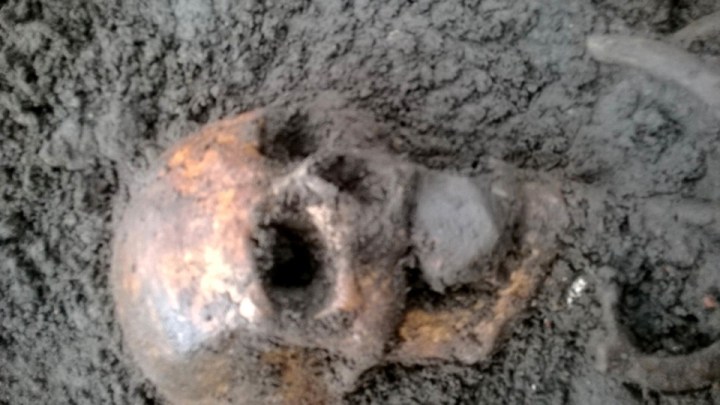
Descriptions of exhumed bodies matched earlier accounts. Corpses were decapitated or staked through the heart. Across Europe, various other methods were used to prevent vampires from rising.
Archaeologists have found corpses with nails among their bones. This suggests some believed nailing the body to the coffin would prevent it from returning.
Some bodies were burned. Others were dismembered. In certain cases, remains were returned to families as a supposed “remedy” against vampirism. In Romania, garlic cloves were placed in the mouths of the deceased when there had been suspicion of vampirism during life.
The Witchhunt Ended Let’s Start A New Hysteria
Vampire sightings in the 1800s were frequent and widely discussed. The fear spread quickly. It began largely in Eastern Europe, where staked corpses were discovered. In other cases, graves were left unburied because communities feared the deceased might rise.
The eighteenth century is often described as the era when superstition declined. Yet vampires gained renewed popularity and became the subject on everyone’s lips.
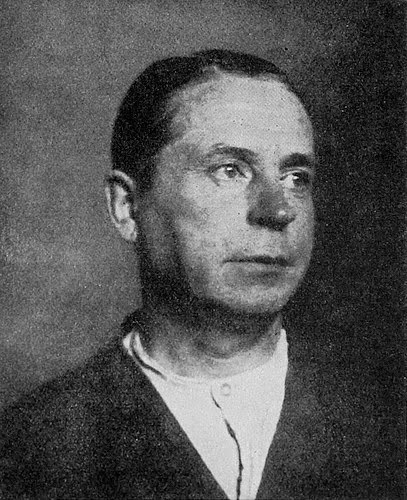
Reports fueled hysteria throughout Europe. People claimed attacks had occurred. Some said victims were killed and drained of blood. Deaths increased, and this time there was no plague to blame.
The case of Petar Blagojevich remains one of the most famous vampire accounts. The story goes that he died at the age of sixty-two but returned to visit his son, asking for food.
The son refused and died the following day. According to others, Blagojevich returned again, and several villagers were later found lifeless, allegedly drained of blood.
We Are Not Alone On Earth
Vampire encounters are still reported today. However, because of our knowledge of the human body and lifespan, skepticism is stronger. It becomes harder for people to accept the possibility that we may not be alone on this Earth.
Yet the odd origin of vampires in history continues to resurface, finding new ways to capture attention.
Vampire Encounters From The Past To Today
In London, England, in 1839, Highgate Cemetery—once reserved for high society—fell into neglect. Over time, reports of sightings emerged.
Witnesses described a pale, ladylike silhouette dressed in dark clothing, with red eyes. Investigations followed as reports multiplied.
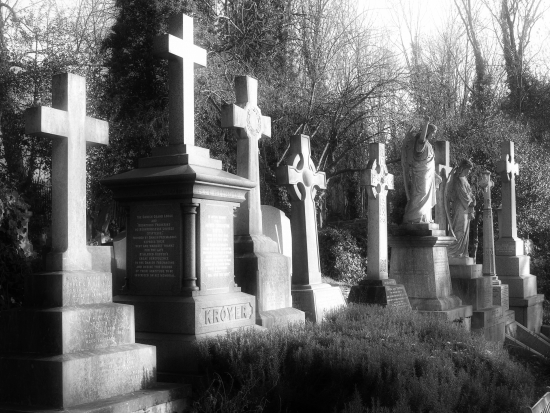
As years passed, sightings remained consistent. In 1971, a young girl walking near the cemetery reported an attack by the red-eyed figure. She claimed the figure possessed superhuman strength and threw her violently to the ground. When a passing car stopped and illuminated the scene, the silhouette vanished.
The girl sustained scrapes on her limbs and reported the incident to police. Her account echoed stories preserved in the community for over a century. The legend of the silhouette persists.
The Verdict Said It Was A Fact
Another encounter aligns with an episode from Beyond Belief: Fact or Fiction, which presented the story as true.
At a crowded intersection, an ambulance struck a man and propelled him several feet. Despite the impact, he stood up appearing unharmed. Paramedics insisted on transporting him to the hospital.
At the hospital, he refused to provide his name or accept treatment. He was placed in a separate room to calm down, with a nurse stationed outside. He declined food and water.
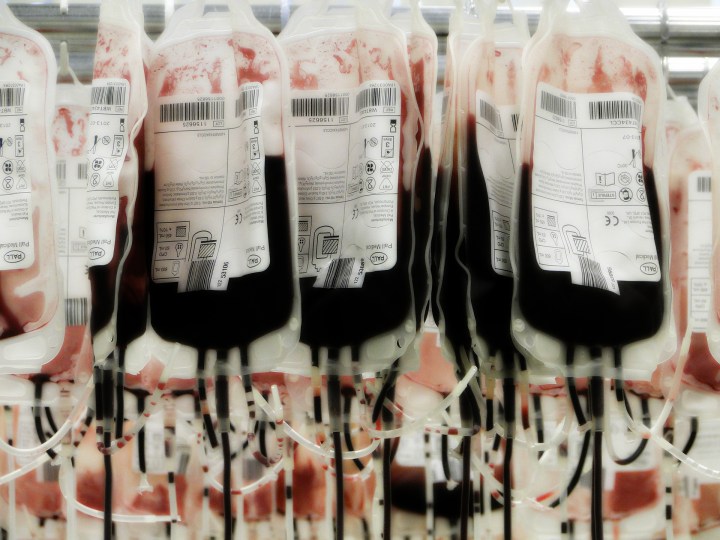
Hours later, an elderly couple visited, bringing a duffle bag. Technicians entered to persuade him to undergo X-rays. The nurse saw the contents of the bag and followed him into the bathroom, where she witnessed him drinking from blood donation bags.
When she ran out of the room, she noticed an unconscious patient in a wheelchair with puncture marks on his neck. She called for security on the fifteenth floor. She then saw the man leap from the hospital window, land on his feet, and flee.
The story concludes by noting that the nurse took early retirement.
What If Vampires Were Real?
I prefer to remain open to the possibility that humans are not the only intelligent creatures on Earth. There are still places in this world we have not explored.
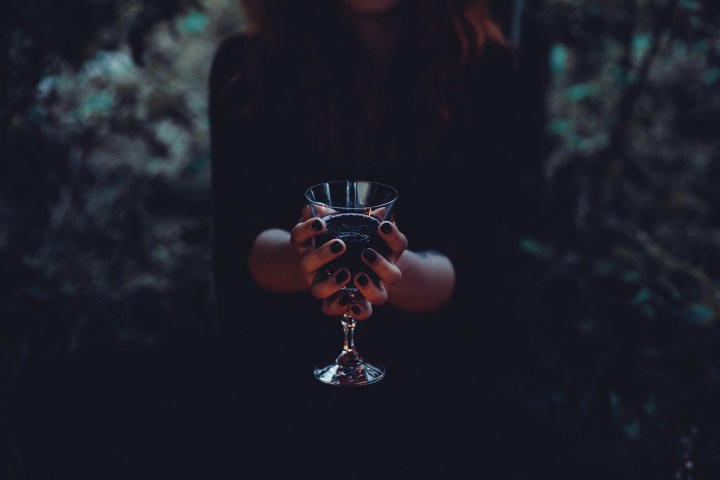
If we accept only what we see, we close ourselves to discovery. The odd origin of vampires in history continues to fascinate me.
There is often a piece of truth hidden within folklore and legend. If vampires appeared across civilizations thousands of years ago, perhaps the question is not why people believed—but why we assume they could not be real.
 Gothic Bite Magazine
Great Article, just wanted to add a couple of thoughts that I discovered back when I was researching vampires for my novels.
Lilith appears in early Hebraic writings and stories. It is said that Lilith was the first wife of Adam, and she thought herself equal to him and refused to be submissive. For this, she was banished from the garden of Eden into the demon realm.
Once there she stole babies and small children to devour them or seduce men, who never survived the encounter as she drank the blood of her victims.
Lilith’s offspring became demons, and she was known as the Mother of Demons, which later became the Mother of Vampires.
Then, there is Countess Elizabeth Bathory who lived in the year 1560 in Hungary, she was a most prolific murderess, not only killing, but torturing hundreds of young girls. She bathed in their blood and by drinking it, she believed it would keep her young, earning her the nickname of The Blood Countess.
LikeLike
There’s certainly a lot to find out about this issue. I like all of the points you have made.
LikeLike
Good day! I know this is kinda off topic but I’d figured I’d ask. Would you be interested in exchanging links or maybe guest writing a blog article or vice-versa? My website discusses a lot of the same subjects as yours and I believe we could greatly benefit from each other. If you might be interested feel free to shoot me an e-mail. I look forward to hearing from you! Great blog by the way!
LikeLike
Another interesting and fabulous article alexa!!! Shared on my socials!!!💋😉💗👍
LikeLike
I want to buy this shoes
LikeLike
Mua bán, nick facebook, cung cấp, tài khoản, facebook, mua, acc facebook. …http://taikhoan.co
LikeLike
Hi there! This is my first visit to your blog! We are a team of volunteers and starting a new initiative in a community in the same niche. Your blog provided us valuable information to work on. You have done a marvellous job!
LikeLike