
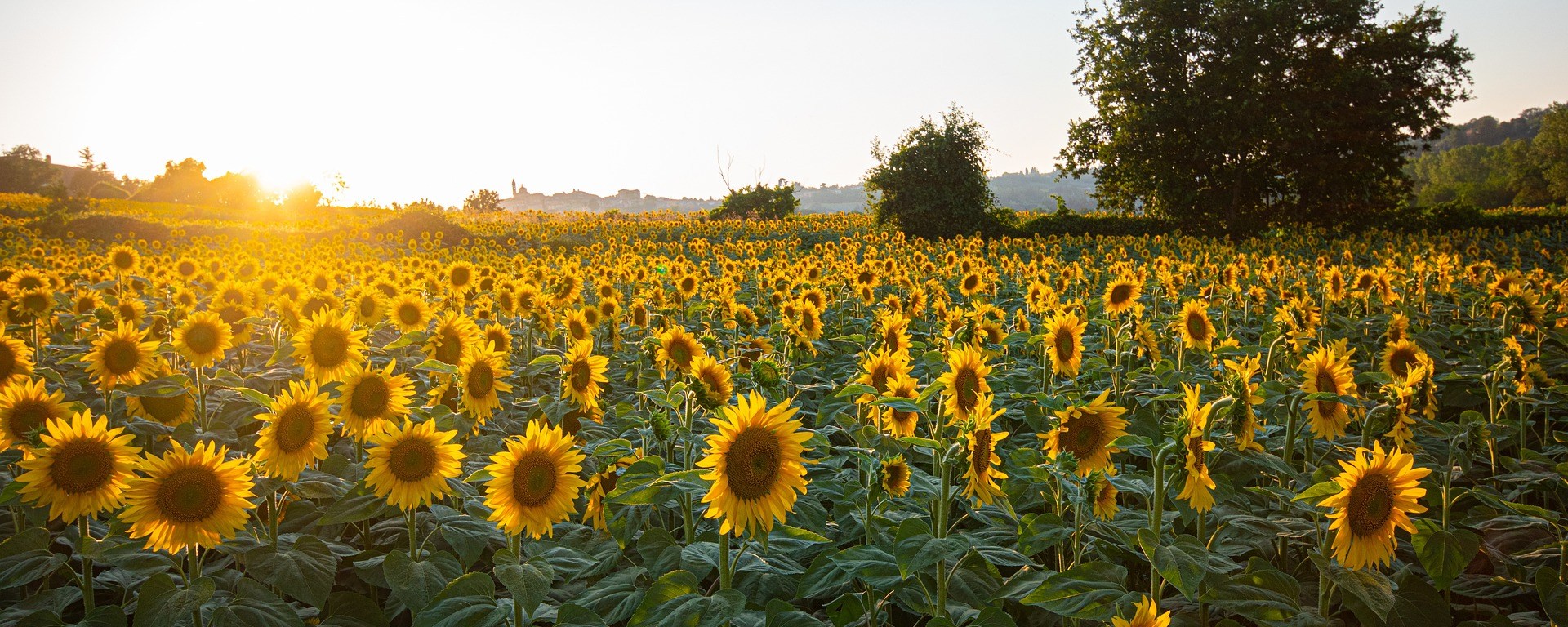
Every spring, the town of Pella, Iowa erupts in a riot of tulips, tens of thousands of blooms in cheerful red, yellow, and white, drawing tourists from across the Midwest to its Tulip Time Festival. Windmills creak pleasantly in the breeze. Church spires pierce a wide, flat sky. On the surface, Pella looks like a Hallmark movie set, scrubbed clean and picture-perfect.
But linger past the festival weekend, and a different kind of atmosphere settles in one that feels less like small-town charm and more like the opening act of something you can’t quite name.
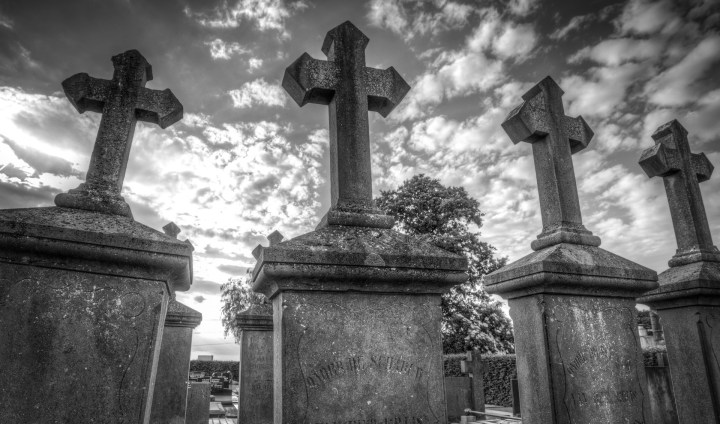
Founded in 1847 by a wave of Dutch Calvinist settlers fleeing religious persecution in the Netherlands, Pella never really stopped being a settlement. The theological DNA of its founders runs deep, deeper, perhaps, than the town’s well-manicured lawns and cheerfully painted storefronts suggest. Today, the community retains a cultural insularity that would be remarkable in any era. Here, the dominant worldview does not merely coexist with others; it simply assumes there are no others worth considering.
“The truly unnerving thing about Pella is not that people hold strong beliefs, it is that they cannot conceive of you not sharing them.”
Visitors who dare venture an opinion that falls outside the town’s narrow ideological corridor describe a peculiar, disorienting experience: not hostility exactly, but something more unsettling, a kind of stunned blankness, as if the air itself has been knocked out of the room. Locals register dissent the way you might register a wolf calmly walking into a dinner party. It simply does not compute. The bubble here is not merely social, it is epistemological. Many residents appear to genuinely believe that their particular configuration of faith, politics, and propriety is universal, the natural state of any right-thinking person.
Those who live inside the bubble and quietly disagree know better than to say so. The social cost of nonconformity in a community this tightly wound is not trivial. Friendships, business relationships, church ties, family bonds all of it can unravel for the sin of a dissenting voice. And so the unconventional keep their counsel, wearing the town’s consensus like a coat they did not choose. There is a particular gothic horror in this: a community of silent dissenters, all performing for an audience that would shun them if it truly knew them.
The guarded house of worship
But the most viscerally strange detail , the one that lingers long after you’ve driven back out past the Dutch-style welcome arch on the highway is the church. Somewhere in this tidy town sits a small congregation whose doors are literally guarded. Not figuratively closed to outsiders, not merely unwelcoming physically barred. Guards stand at the entrance to prevent non-members from entering. What theology requires a bouncer? What gospel needs a velvet rope? The mind churns through possibilities, none of them comforting. In a town already defined by its fortress mentality, this particular structure takes the metaphor to its most literal conclusion.
Pella is not haunted by ghosts. It is haunted by something thornier, the slow, quiet erasure of doubt, of difference, of the kind of friction that keeps a community honest. The tulips will bloom again next May, bright and cheerful against the Iowa sky. The windmills will turn. And beneath it all, the town will keep its secrets, guarded at the door by true believers who are very certain that you are not one of them.
 Gothic Bite Magazine