
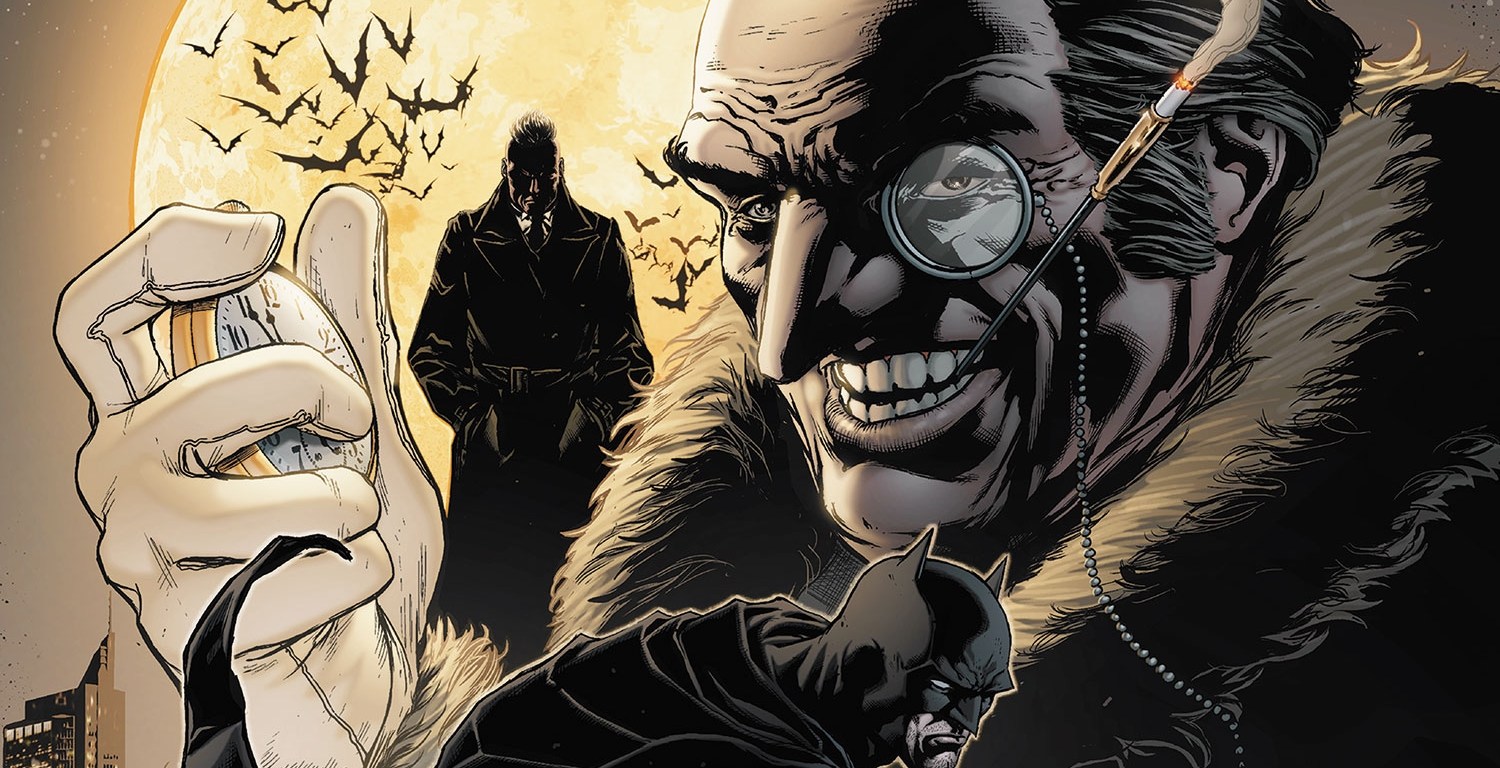
The Penguin’s Arkham File traces Oswald Cobblepot’s rise from social ridicule to criminal aristocracy. Explore the dark psychology behind his obsession with legitimacy, resentment toward Gotham’s elite, and the insecurities that transformed rejection into ruthless ambition.
The Penguin is one of Arkham Asylum’s most underestimated inmates. Unlike Gotham’s theatrical psychopaths or chaos-driven criminals, Oswald Cobblepot operates with calculation, ambition, and a deeply personal need for control.
Mocked for his appearance and dismissed throughout much of his life, Cobblepot transformed humiliation into power. Behind the tailored suits, refined manners, and criminal empire lies a man shaped by rejection. One who seeks not only wealth, but legitimacy and respect.
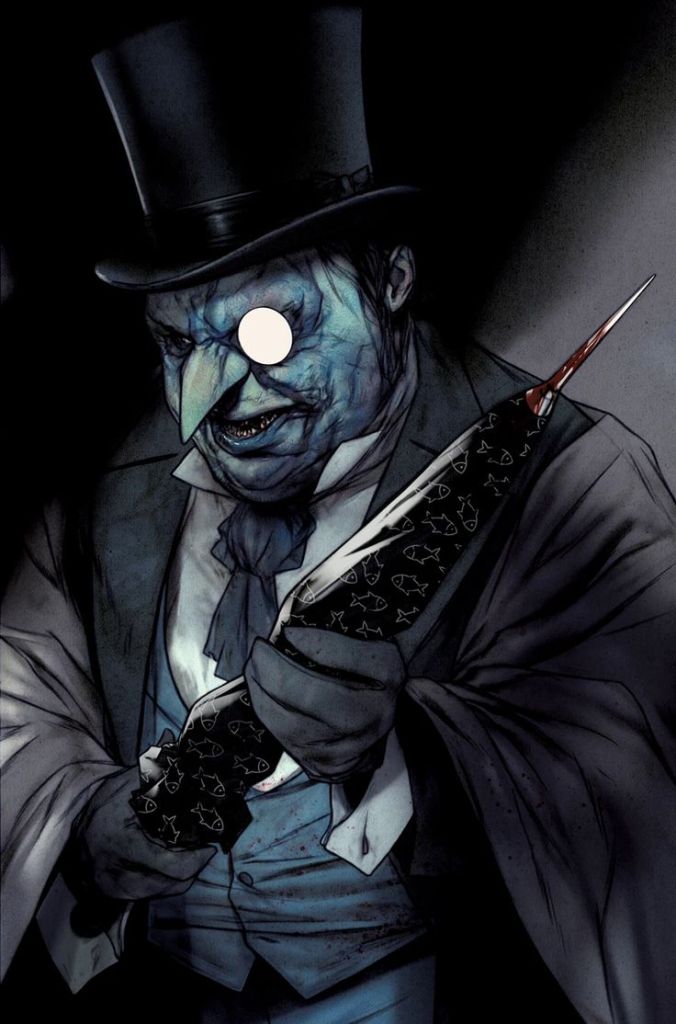
Oswald Cobblepot is not defined by madness in the traditional sense, but by resentment, slowly built through humiliation, rejection, and the need to prove himself.
The Arkham Asylum Files
Arkham Asylum stands as Gotham City’s monument to madness, a place for rehabilitation but infamous for its failures, horrors, and revolving-door villains.
Some criminals leave Arkham worse than when they arrived. Others use it as a temporary resting place before their next crime spree.
But What About The Penguin?
To Gotham, he is a criminal businessman.
To himself, he is a king denied his rightful place.
So what happens when insecurity meets power, obsession, and revenge?
This Arkham File explores the psychological profile of the Penguin, examining themes of overcompensation, appearance-based trauma, obsessive behavior, and his relentless pursuit of status.
Step inside the Asylum. Let’s see what makes Gotham’s most sophisticated criminal truly dangerous.
The Penguin’s Psychological Profile
ARKHAM ASYLUM PSYCHIATRIC REPORT
PATIENT: OSWALD CHESTERFIELD COBBLEPOT
THREAT LEVEL: MEDIUMEVALUATING PSYCHIATRIST: ‘DR’ [REDACTED]
DATE: N/A
The Obsession with Status: Why the Penguin Clings to Identity
Psychological Profile & Diagnosis
1. Napoleon Complex
The Penguin exhibits traits commonly associated with a Napoleon complex, particularly through his intense need for power, control, and social dominance. Beneath Oswald Cobblepot’s refined appearance lies a man deeply shaped by insecurity, humiliation, and a lifetime of ridicule.
Oswald Cobblepot does not simply seek wealth or criminal influence. He seeks validation. Every nightclub, criminal empire, and display of sophistication serves a larger purpose: to prove that the man Gotham mocked has risen above those who once dismissed him. Respect is not something he desires; it is something he demands.
His obsession with status often manifests through overcompensation. Expensive suits, aristocratic mannerisms, lavish surroundings, and carefully curated displays of power are not simply preferences. They are armour.
The Penguin constructs an image of importance to conceal the resentment and vulnerability beneath it.
Cobblepot does not forget humiliation. Every insult, dismissal, and moment of ridicule lingers long after others have moved on.
To Penguin, Gotham is a city that judged him before he ever had a chance to define himself. The rejection he experienced because of his appearance and social awkwardness transformed into a relentless need to dominate the very society that once looked down on him.
This creates a dangerous contradiction. Penguin craves acceptance from Gotham’s elite, yet simultaneously despises them. He wants to stand above the people who rejected him, but never truly believes he belongs among them.
In this way, Oswald Cobblepot is not simply chasing power.
He is trying to outrun the boy who was laughed at.
2. Appearance-Based Trauma
Throughout many interpretations of the Penguin, Oswald Cobblepot’s appearance becomes a defining source of humiliation and alienation. His short stature, unusual facial features, and awkward demeanor often made him the target of ridicule from both Gotham’s elite and ordinary society alike.
Rather than overcoming this rejection, Cobblepot internalized it.
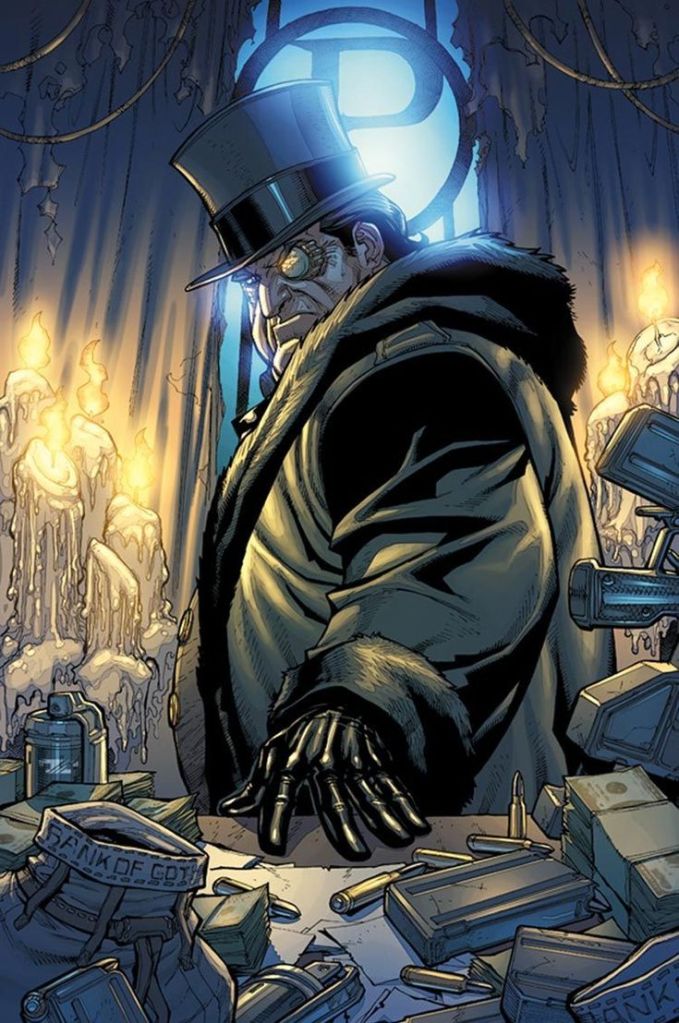
To Penguin, appearance is inseparable from power. His presentation is not vanity, it is protection. His obsession with expensive clothing, umbrellas, luxury, and refined presentation reflects an attempt to reclaim control over how he is perceived. Every carefully tailored suit and display of sophistication becomes a rejection of the image others forced upon him.
Yet beneath the confidence lies resentment.
Oswald Cobblepot never truly forgets the humiliation of being laughed at, dismissed, or treated as less than human. In many ways, the Penguin’s criminal empire is not simply built on greed. It is built on revenge against a world that judged him before he ever spoke.
In this way, Penguin does not merely hide his wounds.
He dresses them in power.
3. Obsessive Behaviour
The Penguin displays obsessive tendencies, particularly through his fixation on status, control, and public perception. Unlike Gotham’s more chaotic criminals, Oswald Cobblepot craves structure. His criminal empire is not built on randomness, it is built on precision.
Cobblepot is deeply preoccupied with legitimacy. He does not want to be seen as a common criminal or street-level thug. Instead, he carefully cultivates an image of sophistication through luxury, business ownership, political influence, and aristocratic presentation. Every detail matters.
This need for control extends beyond appearances. Penguin rarely forgives betrayal or disrespect. He is known for calculated retaliation, rigid control over his operations, and a long memory for perceived slights.
His obsession with reputation also fuels much of his criminal behavior. Public humiliation, insults, or perceived disrespect can provoke disproportionate reactions, revealing just how fragile his carefully constructed image truly is.
In many ways, Cobblepot’s criminal empire functions as an extension of his psychology—a world where he controls the rules, demands respect, and can never again be made to feel powerless.
Penguin does not simply seek power.
He seeks control over how the world sees him.
Evolution Of The Penguin
Oswald Cobblepot’s transformation into the Penguin is not a sudden descent into criminality, but a gradual evolution shaped by humiliation, ambition, and resentment. While his portrayal has shifted across different eras of DC Comics, his core motivation has remained remarkably consistent: to command the respect Gotham denied him.
Originally introduced during the Golden Age of comics, the Penguin began as a theatrical criminal whose fascination with birds, trick umbrellas, and refined tastes distinguished him from Gotham’s more physically imposing villains. Unlike gangsters driven purely by greed or violence, Oswald sought something more sophisticated, power presented through sophistication and control.
Over time, the character evolved far beyond a gimmick-based thief. In later comic interpretations, Batman: The Animated Series, and darker modern storylines, Cobblepot became a criminal kingpin with political influence, underground networks, and legitimate businesses used to conceal illegal operations. The Iceberg Lounge, in particular, transformed him into something uniquely dangerous: a criminal who hides in plain sight.
Yet beneath the tailored suits and aristocratic presentation lies the same wounded psychology. Cobblepot’s experiences of ridicule, rejection, and alienation continue to shape him across nearly every version of the character. Mocked for his appearance and treated as inferior by Gotham’s elite, Oswald gradually transforms humiliation into control.
As his empire grows, so too does his obsession with legitimacy. Penguin does not merely want wealth or influence. He wants recognition. He seeks entry into the same upper-class society that once dismissed him, often attempting to balance the worlds of organized crime and social acceptance. This contradiction sits at the center of Cobblepot’s psychology. He desperately wants acceptance from Gotham’s elite while deeply resenting the same people who rejected him.
Across various comic arcs, Cobblepot’s evolution becomes darker and more calculated. He shifts from flamboyant thief to ruthless strategist, willing to manipulate, extort, or kill to maintain control over Gotham’s underworld. His violence becomes less impulsive and more deliberate, often hidden behind etiquette, charm, and plausible deniability.
This creates a psychological paradox. Penguin longs to be accepted as a legitimate businessman and respected figure, yet repeatedly sabotages that possibility through cruelty, obsession, and criminal ambition.
Oswald Cobblepot did not become the Penguin overnight.
He built him, piece by piece, until the frightened boy Gotham mocked disappeared beneath the suit.
Relationship With Bruce Wayne: A Reflection Of Status And Resentment
The conflict between Oswald Cobblepot and Bruce Wayne is not simply criminal versus billionaire. It is a clash between rejection and acceptance.
Bruce Wayne is embraced by Gotham.
Oswald Cobblepot was rejected by it.
Both men come from wealth, privilege, and deeply fractured lives. Yet where Bruce transforms trauma into responsibility, Cobblepot transforms humiliation into resentment. Bruce Wayne inherits Gotham’s admiration. Penguin believes he had to claw his way toward respect.
Where Bruce is trusted, Oswald is feared.
To Bruce Wayne, status is irrelevant.
To Penguin, status is survival.
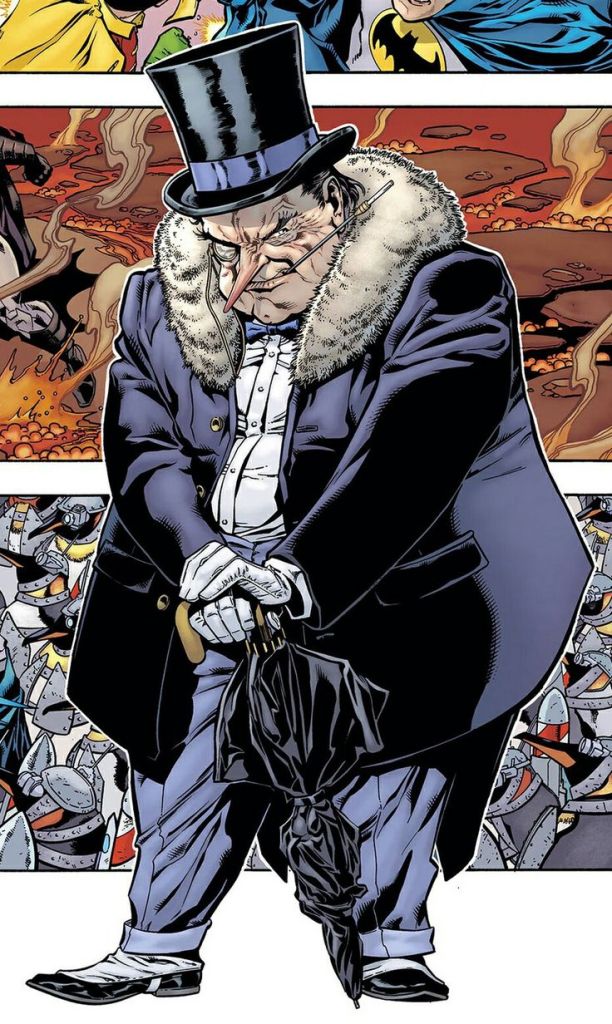
This is what makes their dynamic so psychologically compelling. Cobblepot sees in Bruce Wayne everything he believes should have belonged to him: influence, legitimacy, power, and effortless acceptance among Gotham’s elite.
Bruce moves through Gotham’s upper class naturally. Oswald forces his way into it.
The Iceberg Lounge, lavish wealth, tailored suits, political connections, these are not simply luxuries to Penguin. They are symbols of worth, carefully constructed to compensate for the rejection that shaped him.
Yet beneath the resentment lies something more uncomfortable: envy.
Oswald despises Gotham’s elite for mocking him, but secretly longs to stand among them. Bruce Wayne represents the life Cobblepot feels was unfairly denied to him, a man born into the world Penguin desperately tries to control.
Their conflict is not built on hatred alone, but on contradiction.
Bruce Wayne protects Gotham despite its flaws.
Penguin seeks to dominate Gotham because of them.
And in doing so, they become reflections of what privilege, pain, and rejection can create—one man shaped by responsibility, the other consumed by resentment.
Final Verdict: The True Nature Of The Penguin
Oswald Cobblepot is not driven by chaos, nor by grief. He is driven by humiliation: remembered, internalized, and endlessly overcompensated for.
His crimes are not acts of mindless violence, but carefully calculated attempts to gain the power, legitimacy, and respect he believes Gotham unfairly denied him. Beneath the criminal empire, luxury, and carefully curated sophistication lies a man still shaped by rejection.
To Penguin, Gotham judged him long before he ever had the chance to define himself.
Much of what follows can be understood as retaliation against a city he believes rejected him from the beginning.
Unlike Gotham’s more chaotic villains, rehabilitation may not be impossible, but it would require Oswald Cobblepot to do the one thing he has avoided his entire life: confront the insecurity beneath the image.
Until then, containment remains the only viable option, though Cobblepot’s influence has never been confined to the walls of Arkham Asylum alone.
The Penguin is not trying to destroy Gotham.
He is trying to force Gotham to finally look up at him.
And Gotham remains trapped in the shadow of the resentment it helped create.

