
Spectrophobia, a psychological condition often linked with paraphilic tendencies, is the intense fear or obsession with mirrors and one’s reflection. But, is it truly about the fear? Or is it the unseen desires and psychological distortions that linger in the glass?
“Do not look,” they warned. But what if the desire lies not in the act of avoidance…but in the reflection itself?
In the gothic silence of night, when shadows stretch and the world is caught between the breaths of light, some hearts pulse with an unspoken terror. Spectrophobia is one of the most misunderstood phobias, where fear and obsession blend, creating a sense of strange, captivating allure. Some may view it as a purely irrational fear; others, as a deeper psychological condition, lurking beneath the surface, seeking control.
And in the gothic realm, it is more than a fear—it becomes a symbol, a doorway into the psyche.
What is Spectrophobia?
Spectrophobia is an intense, irrational fear of mirrors, reflections, or images within reflective surfaces. Individuals with this condition may become overwhelmed with anxiety or dread upon encountering a mirror or any reflective surface, feeling trapped in an endless loop of staring back at their own distorted image. This fear is often tied to deeper psychological struggles and may have roots in trauma or childhood experiences.
While it may seem like an extreme reaction to an everyday object, spectrophobia is not simply about fear—it speaks to something more profound. It represents a form of existential discomfort with one’s own identity, self-perception, and the blurring of boundaries between reality and illusion.
The Mirror as a Symbol in Gothic Lore
The mirror has long been a symbol of reflection and duality, often used in gothic tales to represent the thin veil between life and death, truth and illusion. Think of the fabled mirror in Snow White—an object that both reveals and distorts, that holds a sinister power. It is this duality that fascinates and terrifies, and to those who suffer from spectrophobia, the mirror is more than a reflective surface. It is a window to a distorted truth, an identity unmoored, and an overwhelming sense of loss.
In the gothic narrative, mirrors are not just passive objects. They become active agents of fear and desire, speaking to an ever-present uncertainty about the self. These reflections represent a silent, frozen moment—a reminder of all that is hidden beneath the surface. They speak of a beauty that has been twisted, a self that is both known and unknown.
The Psychology Behind Spectrophobia
For many, spectrophobia stems from early life experiences, trauma, or unresolved issues surrounding identity and self-worth. The fear of mirrors can represent a psychological battle with how one perceives themselves, their appearance, or their personal identity. This is especially true for those with conditions like anxiety, obsessive-compulsive disorder (OCD), or post-traumatic stress disorder (PTSD).
Psychologically, spectrophobia may be tied to:
- A deep-seated fear of self-perception and self-worth
- Past traumatic events that lead to the avoidance of introspection
- Fantasies of controlling or distorting one’s image to avoid vulnerability
- The internal conflict between reality and fantasy
- Identity issues or body dysmorphia
These are not excuses—they are insights. Understanding the root cause of spectrophobia can help individuals seek healthier ways of confronting their reflections and the complex emotions tied to them.
Can Spectrophobia Lead to Paraphilic Desire?
In some cases, spectrophobia can evolve from a simple fear into a form of obsession, where the desire to avoid mirrors transforms into a deep fascination with them. This obsession can veer into paraphilic territory when the reflection itself becomes an object of desire, particularly in those who struggle with obsessive fantasies or control-driven behavior.
For some, the fear of their reflection can shift into an irresistible need to possess or manipulate it—much like a dark, gothic mirror where the viewer is trapped in an endless dance with their own image. It’s a seductive and perilous dynamic, where fear and desire intermingle, creating an unsettling push-pull attraction.
The Path Between Fear and Desire
In gothic and psychological storytelling, spectrophobia becomes a metaphor for the inner turmoil that shapes the self. It’s the image of the vampire staring into their reflection, unable to reconcile their true self with the monstrous being they have become. It’s the haunted soul who cannot bear to see what they have lost or become.
But isn’t that the nature of many paraphilias? The desire to control what can’t be controlled, to possess what can’t be owned, to manipulate the self without truly confronting it?
Is Spectrophobia Always Non-Consensual?
In the realm of consensual kink, the lines between fantasy and fear can blur. There are instances where individuals with spectrophobia use mirrors within controlled environments—whether in a consensual BDSM context or as part of roleplay to confront their fears or desires. These engagements may be based on mutual agreement and a desire for psychological exploration rather than the harmful elements of fear-driven control.
But it’s crucial to distinguish between the safe exploration of such fantasies and the dangerous territory of coercion, non-consent, or manipulation. Healthy boundaries are essential in understanding the balance between fantasy and reality.
Gothic Desires and the Struggle with Self-Perception
As someone with OCD and deep-seated psychological complexities, I know what it feels like to be entranced by your own darker desires, to feel haunted by an image you can’t escape. That’s why I turn to gothic storytelling—to find meaning in the shadows, to unearth what’s hidden beneath the surface.
Spectrophobia, like many other phobias, isn’t about love—it’s about control, fear, and the suffocating silence of unspoken desires. It is the reflection that cannot be understood, the mirror that reveals too much, and the face that is both familiar and alien.
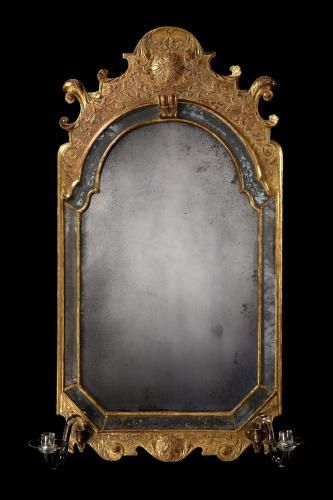
But perhaps this is the paradox at the heart of all paraphilias. The struggle to rewrite fear as desire, to reclaim the reflection as something both terrifying and beautiful.
🔐 Discover the Dark Truth
In the premium version of this article: available to my Patreon, Substack, and Kickstarter members, I explore:
- Case studies of individuals with spectrophobia (identities protected)
- Deeper psychological insights into the fear and obsession of reflection
- Clinical interpretations versus community-based experiences
- The moral and ethical considerations of mirror play
🗝️ Step into the shadows with me. The full descent into your fears awaits.
Available on [Patreon], [Substack], or [Medium].
 Gothic Bite Magazine
This is an amazing post! Love it. Thank you.
LikeLiked by 1 person
Thank you so much! I’m happy you enjoyed it.
LikeLiked by 1 person