

Many people are fascinated with medieval medical procedures and want to know how people survived them. So, let’s explore the history of bloodletting.
The Overall Humourism Meaning Of Bloodletting
Bloodletting, or by its otherwise name, therapeutic phlebotomy, consists of the withdrawal of blood from a human body or patient. Back then, people believed that it would cure and prevent diseases. The classical way to eject blood from the body was either accomplished by the physician of the time or leeches.
But what do I mean by humourism? Well, in Ancient Greece and Rome, philosophers and physicians adopted what they would call “humourism” as a system of medicine to describe the workings of the human body. Is your head spinning around like Regan in The Exorcist yet?
While humourism fell out of favour in the seventeenth century and was entirely disproven with the germ theory in 1850, it had quite a detailed theory. Humourism comes from the Greek meaning of “sap” and was associated with the elements of air, water, fire, and earth.
Humourism was all about balance between the body and its exterior elements. It also pinpointed illnesses and natural disasters. The four humours were phlegmatic, choleric, sanguine, and melancholic. Each had a colour associated with the liquid it would produce, like yellow, black, red, and so on.
But First, A Little History On The Origin Of Bloodletting
One of the oldest documented bloodletting procedures by scarification dates back to Ancient Egypt. We know their burial instruments carried bloodletting tools. According to documents, the procedure happened by studying the red secretions from the hippopotamus caused by the sun and confusing them with blood.
In ancient Greece, bloodletting wasn’t common, and many opposed it. Meanwhile, in the Roman Empire, the Greek physician Galen supported and practiced it. Galen is responsible for proving the location of blood in veins and arteries, as people believed it to be air at the time.
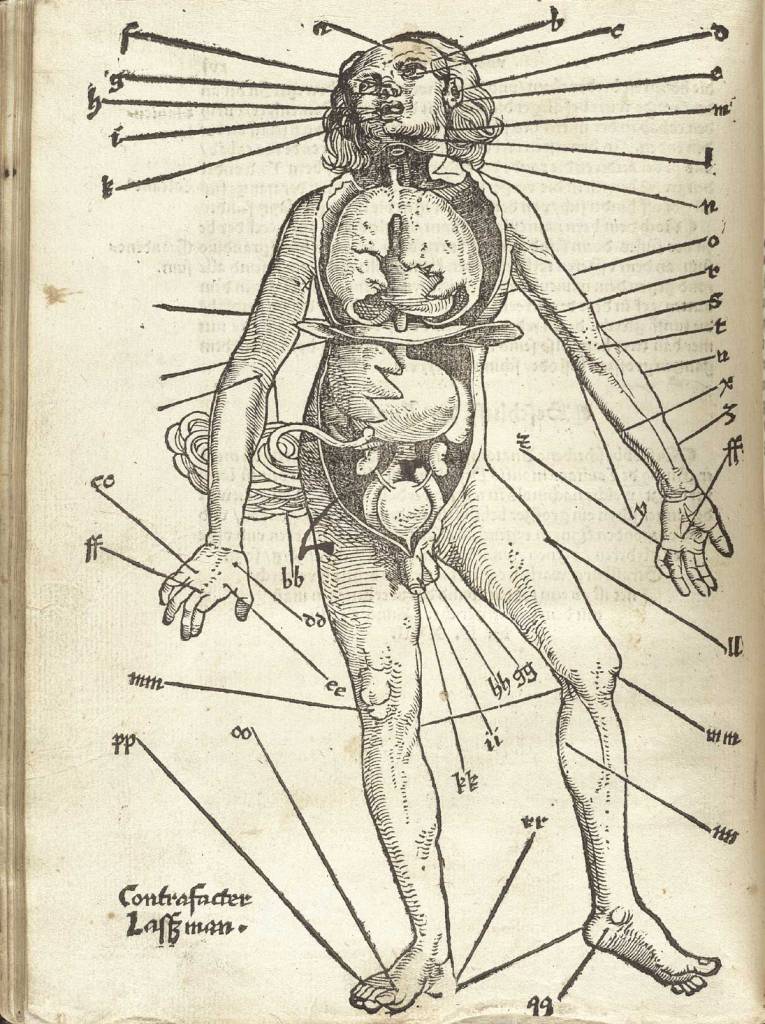
However, Galen didn’t know about blood circulation and believed it was stationary and meant to be used up and expelled to balance the humours in case of illness. He thought blood was the body’s most considerable humour and needed the most control. Often, patients would receive “medication” to induce vomiting or urination.
However, the origin of the bloodletting model itself comes from the monthly process of menstruation, a misunderstood concept at the time as an exit for an unfertilized egg. Instead, Hippocrates stated that menstruation was a purging cycle for women to rid themselves of bad humours. So, we owe the obscure practice of bloodletting to women’s menstrual cycle.
The Bloodletting Of The Middle Ages
The most common belief is that the knowledge of bloodletting started with Ancient Egypt. Ancient Greece, followed by the Roman Empire, passed down the knowledge to the Arabic civilizations to make its way into the medieval Europe we know.
When Muslim texts reached Latin-speaking languages, they spread throughout Europe. The knowledge and well-documented function of bloodletting became popular and one of the central practices of medicine at the time.

Bloodletting in the Middle Ages can be somewhat complex as it had to coincide with the Church’s belief in Christianity. Rules had to be followed, such as Saint days, that allowed for bloodletting. Medicine was frowned upon by the Church, as was the practice of bloodletting.
In the later medieval period, bleeding charts were available to the public, showing which part of the body belonged to which zodiac and planet. Depending on the year’s seasons, bloodletting could relieve fevers. Phases of the moon were also an essential factor in bloodletting.
How About Strange Fun Facts About Bloodletting?
A fun fact about bloodletting in the early Middle Ages is that in 1163, some churches forbade the practice. Most physicians were monks at the time, as they were the highest educated people alongside the nobility.
However, people believed they needed it, so barbers offered the service. In fact, barbers were dentists and surgeons—not physicians, as there was a distinction between the two. The classic white, blue, and red barber poll used red to represent bloodstains on the towels they hung outside their shop, while the white signified bandages, showing they were barber surgeons.
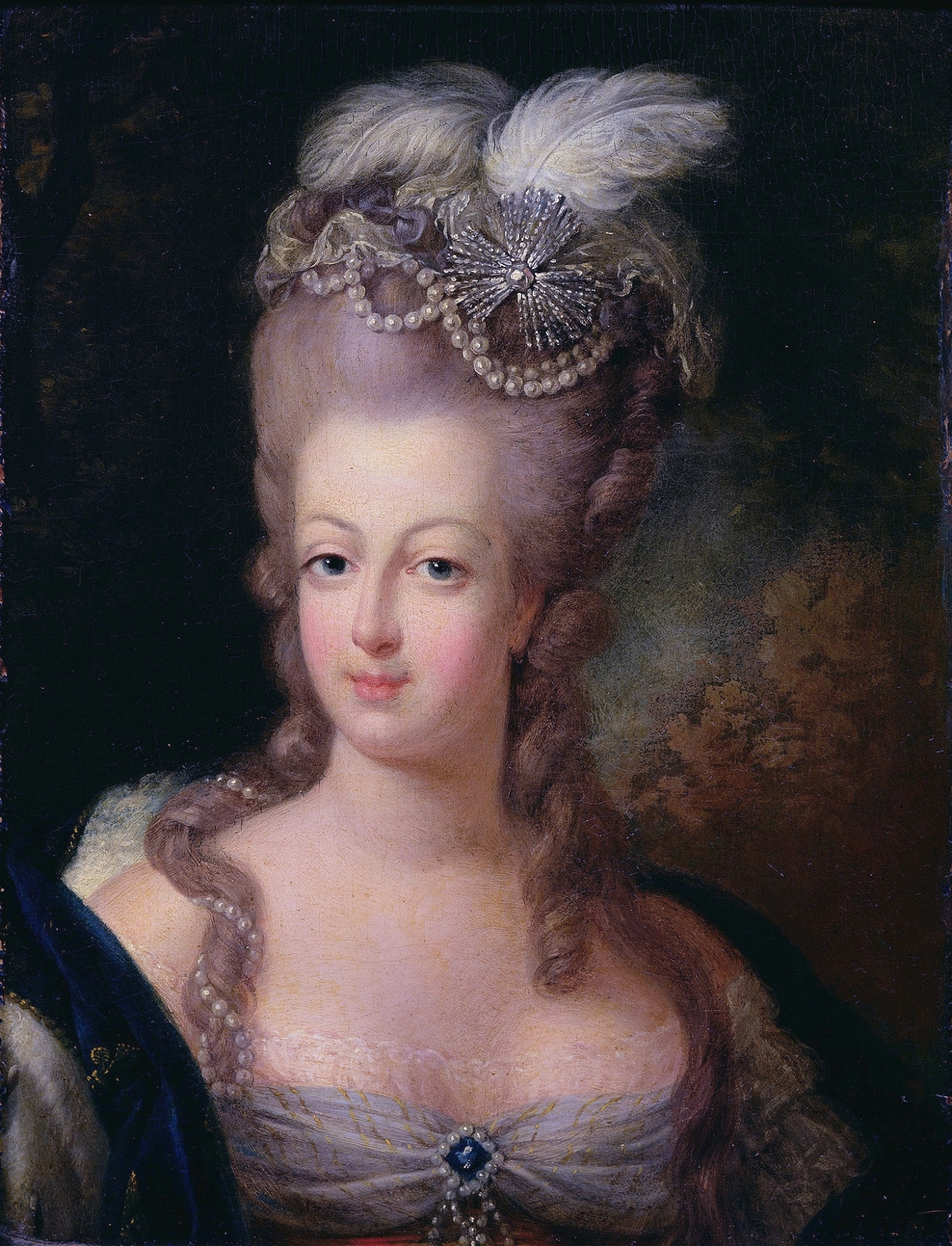
Another fun fact about bloodletting revolves around the French queen, Marie-Antoinette, born in Austria and known as La Dauphine. In 1778, a decade and a half before the queen would meet the guillotine, Marie-Antoinette was pregnant with Princess Marie-Thérèse.
The queen had a crowd of people ready to witness the birth of the new dauphin in her bed chambers. However, the queen fainted, most likely due to the pressure and expectations and the pain of childbirth. Promptly, a surgeon bled the queen, and Marie-Antoinette woke up. However, after studying the account of the event, people concluded that her waking up might have followed the opening of the windows and her body going through contractions.
Bloodletting Is Good For Everything From A Headache To A Heartbreak!
It was in 1628 that William Harvey was capable of proving the inefficacity of bloodletting. Following such an event in the 1830s was the introduction of scientific medicine by Pierre Charles Alexandre Louis. Despite showing the uselessness of bloodletting as a treatment, other physicians still supported the practice.
It is interesting to note here that bloodletting became the treatment for acne, asthma, cancer, cholera, coma, convulsions, diabetes, epilepsy, gangrene, gout, herpes, indigestion, insanity, jaundice, leprosy, ophthalmia, plague, pneumonia, scurvy, smallpox, stroke, tetanus, tuberculosis, and the list goes on.
If someone required amputation, it was customary to bleed them beforehand. They did so to relieve the body of what the physician believed to be the equivalency of what blood resided in the limb about to be amputated. During childbirth, bloodletting was performed on the mother to avoid inflammation. To top it all off, if someone suffered from a nosebleed or any other type of hemorrhaging, from heavy menstruation to internal bleeding, bloodletting was again the treatment.
It was Jacques Ferrand who recommended bloodletting to heal a broken heart. To cure someone from the pain following the departure or abandonment of a loved one, bleeding them would make them normal again. However, the quantity of blood would lead to heart failure, literally.
Any Final Thoughts About Bloodletting And Its History?
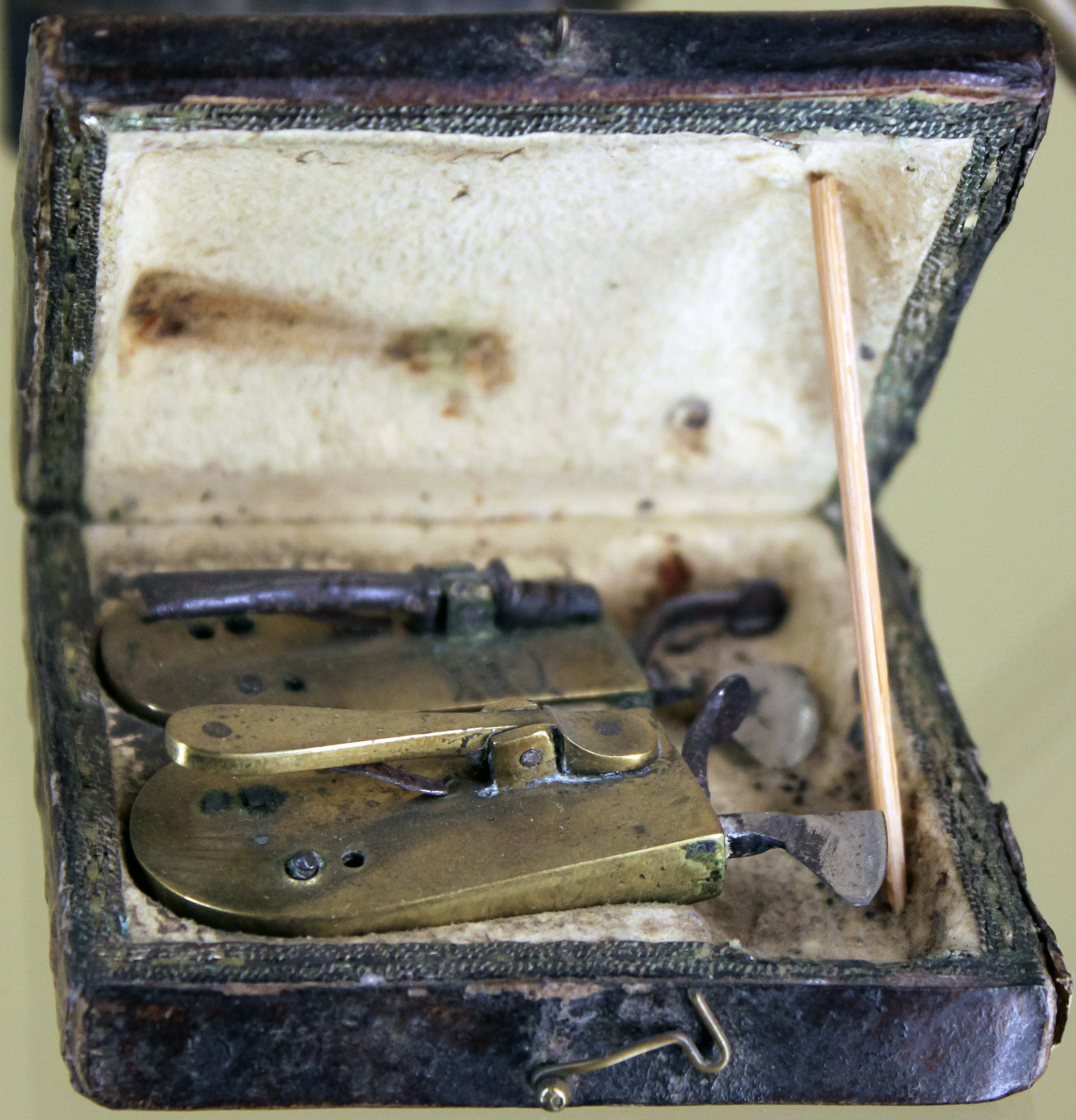
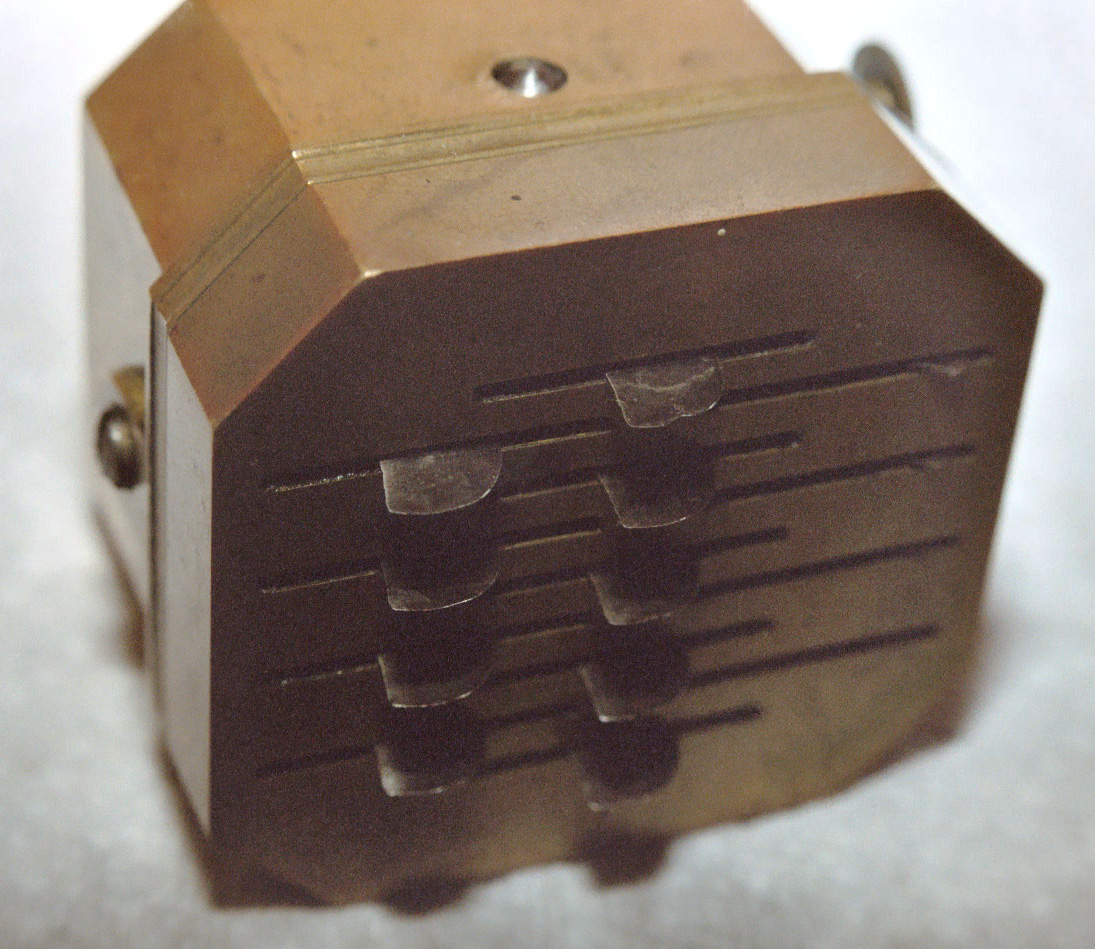
Tools used to achieve successful bloodletting varied from leeches to scarificators, a box with slits to let out spring-loaded blades to cut the flesh of patients. Some physicians used syringes, cups of heated glass to create a vacuum, spring-loaded lancets, and scalpels of the time.
While bloodletting lost most support from physicians in the nineteenth century, it still had some practitioners. The reason wasn’t because it was effective but because most remedies didn’t exist yet, and doing something was better than nothing, or so they believed. Also, many patients who didn’t know better had faith in the practice, and a placebo effect would occur.
Bloodletting was a traditional practice passed down from ancient times. However, not all traditions are good or in the people’s favour. Again, ignorance resulted from the practice, but not all failures are useless; some medical advancements came from it, such as discovering that blood resided in veins and arteries. Later on, physicians learned that blood wasn’t stationary either and was vital.
While the practice of bloodletting slowly vanished as remedies would surface, it wasn’t until 1923 that it was completely eradicated. Then again, it is possible to find con artists passing themselves as healers and physicians, still doing phlebotomy. It is something that baffles the mind to know that some people dare impersonate someone from a medical practice to commit barbarity.
In other words, while bloodletting is one of the most gothic medical practices that fascinate us, I’m glad it’s over and out the window of medicine!
 Gothic Bite Magazine