
Many things are said about the Prince of Wallachia, known as Vlad the Impaler. He was the guy who impaled people. He is the vampire Count Dracula. But have you heard of him crying blood tears?
What Do We Know About Vlad The Impaler?
Vlad the Impaler lived in the 1400s or close to the end of the Middle Ages and the beginning of the Renaissance era. Romania was separated into three principalities: Wallachia, Transylvania and Moldavia. He was the middle child of a family of three sons. His mother was a noblewoman, while his father was Vlad Dracul II, Prince of Wallachia.
Vlad Dracula was a Christian-Orthodox, as was Wallachia, placed between the Roman Catholic Empire and the Islamic Ottoman Empire. Due to political and religious conflict, Wallachia was a vassal state rather than a country in its own right. When Vlad Dracula took over the throne, he put Wallachia on the map and grew its legend.
However, Wallachia was hard to rule and harder to retain as a prince. Vlad Dracula had to fight for his throne three times in his life. Over his life, he fought the Turks, mainly Mehmed II, many times. He would defy the odds and succeed in protecting his people. He joined a doomed crusade to push back the Turks. Vlad Dracula was brilliant and a tactical genius.
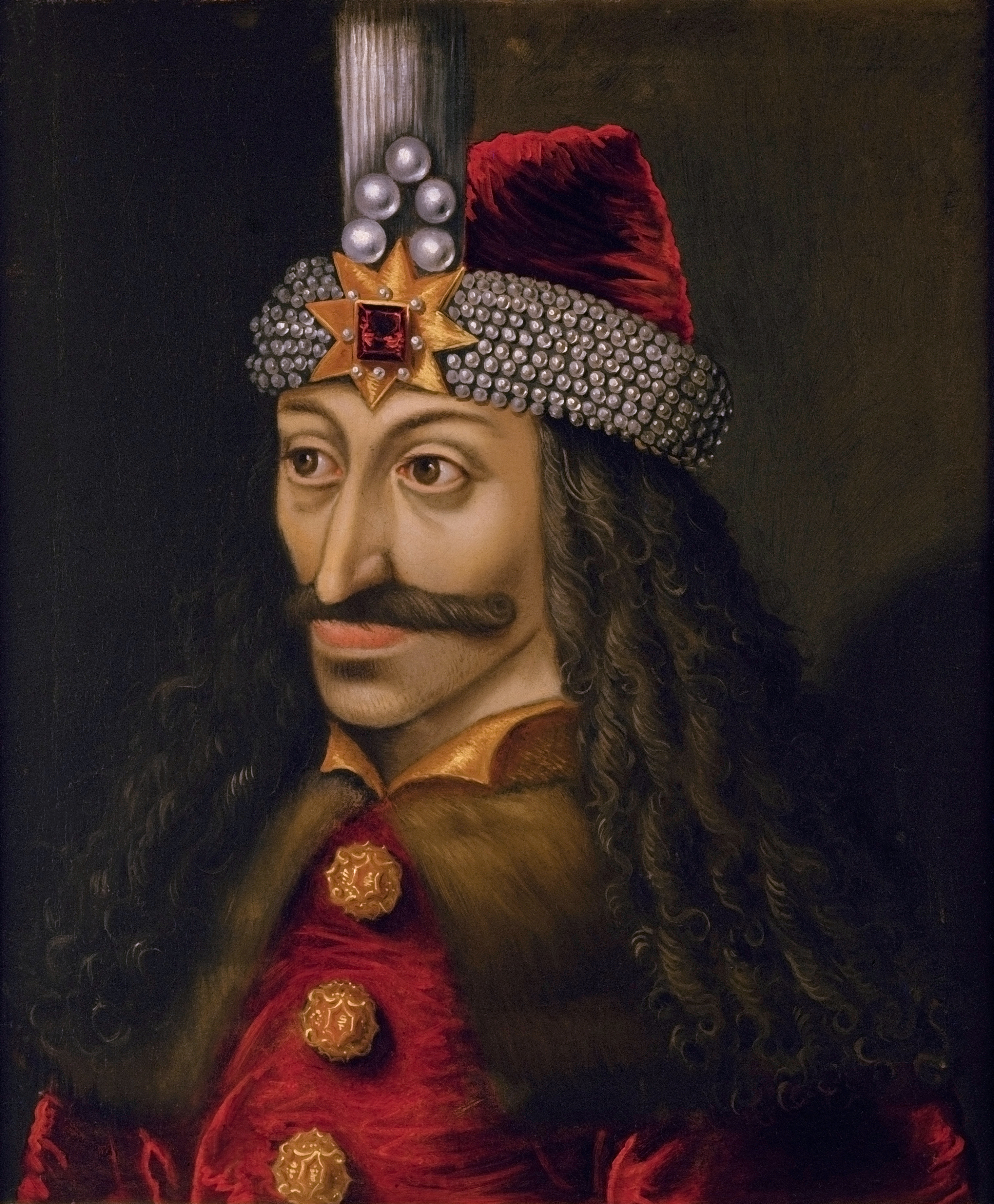
In 1560, an artist did the most famous painting of him nearly a century after his death. Vlad Dracula doesn’t resemble the painting as far as descriptions of him in historical archives say. His description goes like this: He had green eyes, long wavy black hair, an aquiline nose, muscular stature, facial hair, thick eyebrows, and fair skin. He did have a crown, yet we do not see it anywhere.
What About Vlad Dracula’s DNA And Tears?
Many believe that Vlad the Impaler might have had psychological disorders. However, there are accounts of his strange behaviour leading to believe he was a vampire. At least, it reinforced the belief that he was a Strigoi. People today would brush the accounts off as folklore, but recent testing proves that folklore is authentic.
There are stories about Vlad Dracula crying tears of blood in his final years! Dracula didn’t die from old age, only about forty-six years old. He died in battle, and how it occurred remains a mystery. Some accounts say he was ambushed and stabbed to death, while other stories say it was a mistake by his men thinking he was a Turk due to his outfit.
Because the body remains unfound, and even the location of his death is unsure, it’s impossible to rule out the stories. However, the common factor remains that he was supposedly decapitated, and his head was a gift to Mehmed II. But even that statement can’t be verified as there is no proof. Nobody knows where Vlad Dracula’s body rests or if it was buried.
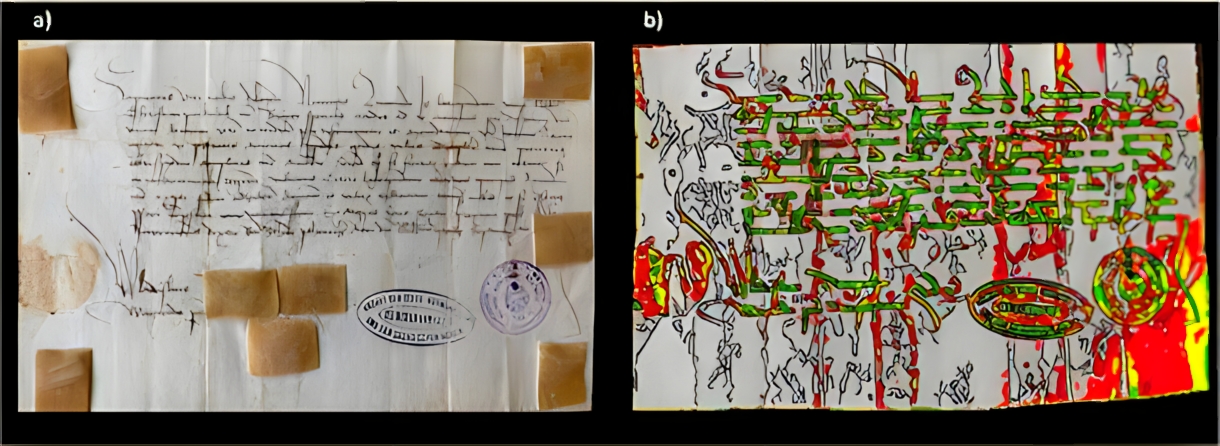
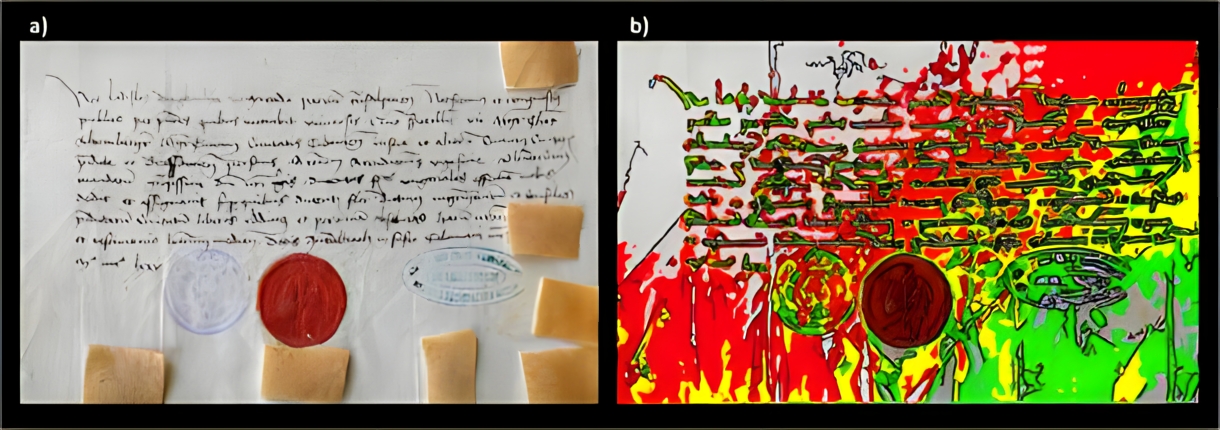
So, how can anyone prove that the Son of the Dragon shed tears of blood if his body is nowhere to be found? Well, there are other ways to get DNA or at least residuals of something! As a prince, Vlad Dracula had to write and sign many documents that have survived to this day! We can find his writing, sweat and tears, on those papers!
What Exactly Is ‘Crying Tears Of Blood’?
The presence of blood in tears is called hemolacria or bloody epiphora. Various disorders can cause this illness. Hemolacria is quite rare, so having someone known in history suffering from it is big news. The fact that Vlad the Impaler is associated with blood is even better and contributes to his reputation as a Strigoi.
Someone can suffer from hemolacria following specific types of traumas close to their tear ducts. In other cases, it’s due to someone suffering from bacterial conjunctivitis. The hemorrhage or volume varies from person to person, and tears differ from pink to blood-red. In Vlad Dracula’s case, the proteins retracted from the papers are inconclusive as to what caused it.
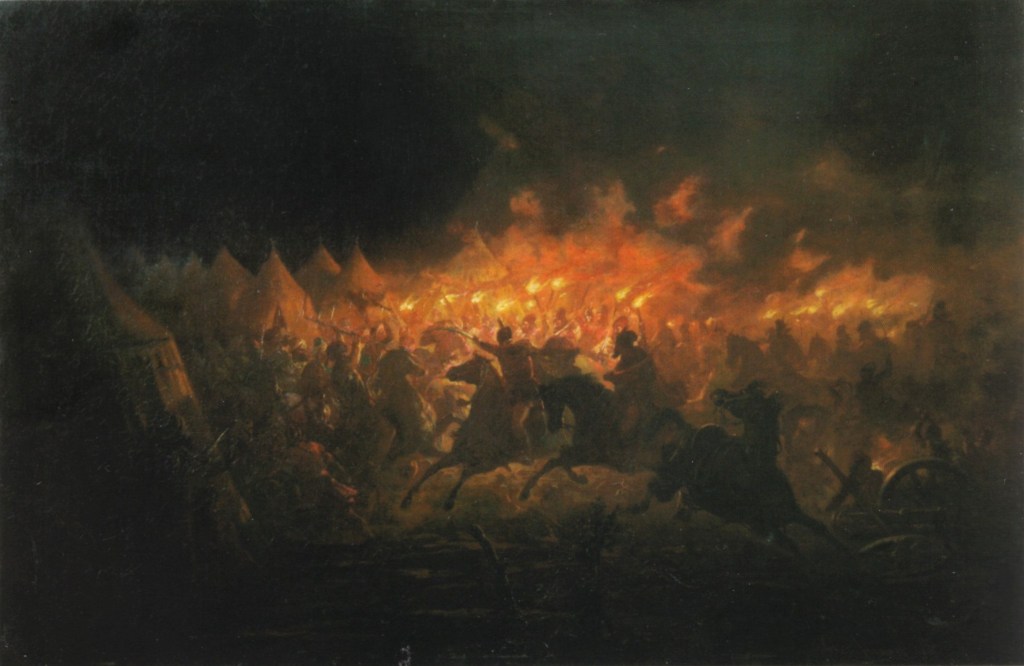
Bleeding from the tear glands can remain undetermined, like in Vlad’s case. It’s basically an infrequent outcome of a previous wound. Sometimes, it can be due to a tumour near the eyeball, which most likely causes pressure around the veins and tear glands. In Vlad Dracula’s case, the tumour isn’t an option, as results would’ve shown it. All we know is that the Prince of Wallachia cried tears of blood toward the brutal end of his life.
Long story short, Romanian and Italian scientists chose three letters throughout Vlad’s reign from 1448 to 1476 and, through a chemistry process, absorbed and transferred the proteins and peptides left by Vlad when handling the papers. How they concluded it was Vlad Dracula’s molecules and not others is due to where the writing was done and the process of elimination.
What Else Did The Testing Reveal About Vlad Dracula?
While testing the proteins and peptides, they found traces of ciliopathies. It’s a comprised group of genetic mutation disorders related to defective proteins. It creates an abnormal formation or function of cilia. In other words, it can affect how organs work and have debilitating, even painful symptoms.
In his later years, Vlad Dracula could have lived with some physical pain, or perhaps it was still on the surface. But he bled tears and might have had physical pain due to the ciliopathies.
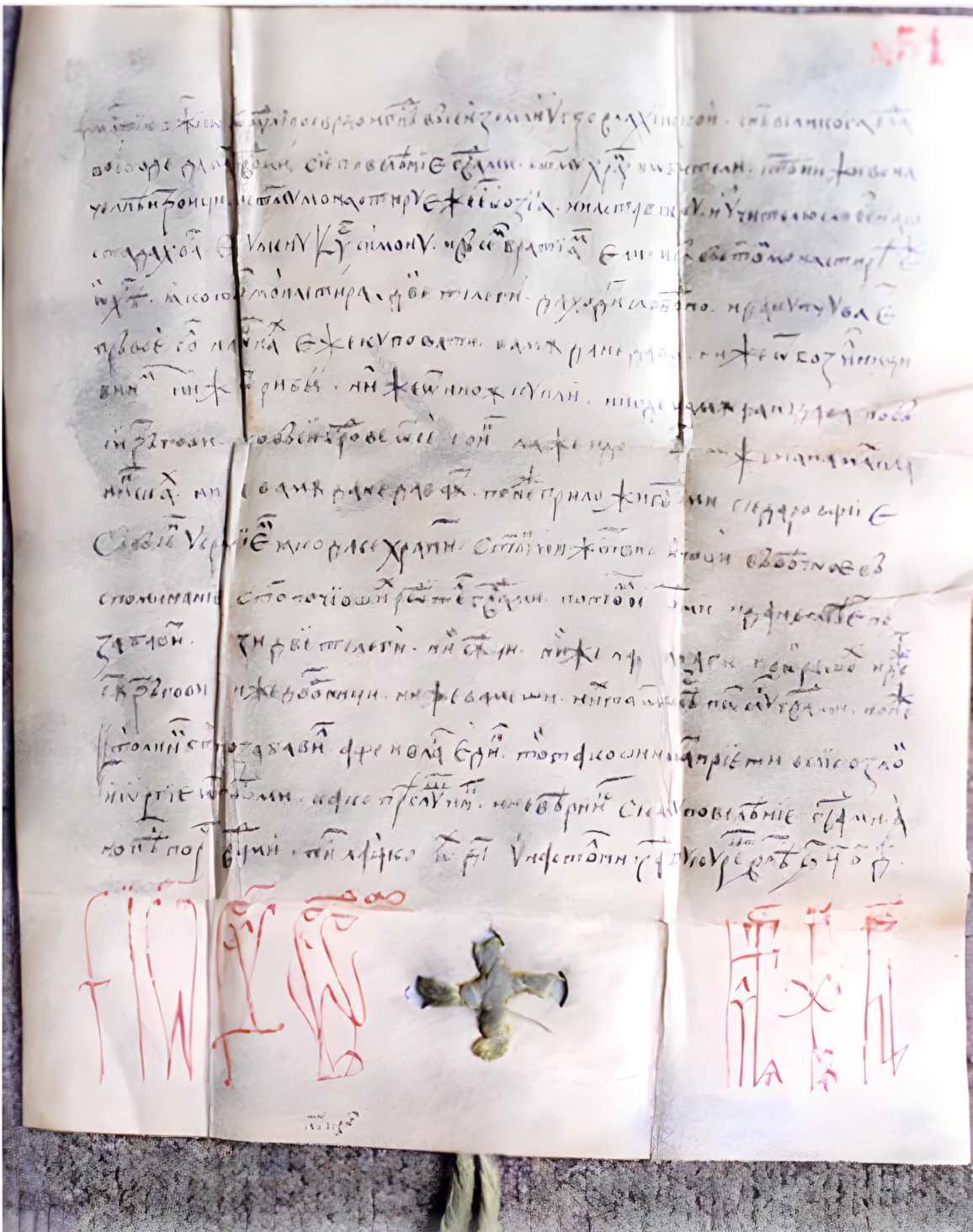
Another thing found in his peptides was a respiratory infection tract. This could lead to a chronic condition, a common cold or flu virus. But those two, ciliopathies and respiratory infection, were found in one of the letters he handled and wrote. This means that it might not have been something chronic.
Overall, Vlad Dracula seemed to have been someone in good physical health or as good as someone living in the fifteenth century. He survived the plague, waves of viruses and bacteria. He also wasn’t the result of inbreeding as other noble families in the Middle Ages.
Whatever we say about Vlad Dracula, he had a fascinating life.
 Gothic Bite Magazine
I love history and how science now allows to find out more about the people who marked it.
LikeLike