
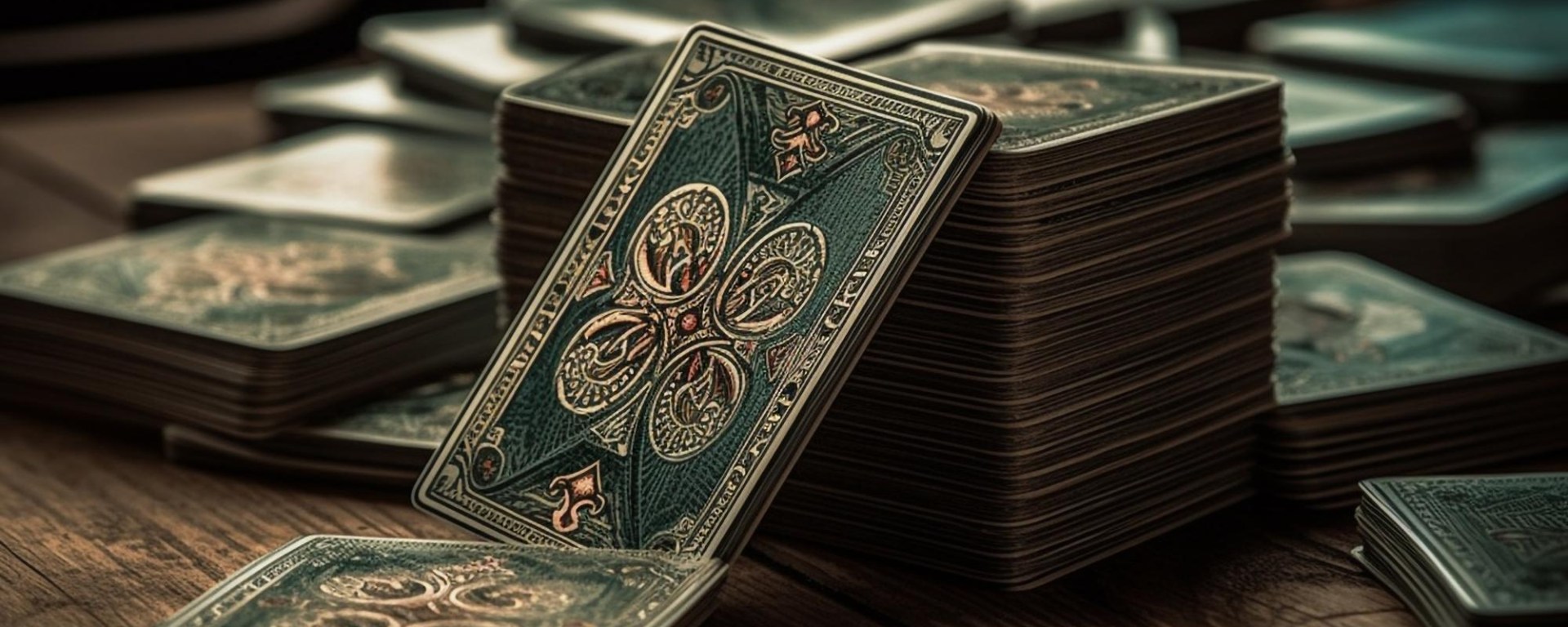
There are many reasons why someone could get enthusiastic about fortune-telling, but what if the reader is the one who finds an obsession with the process? This little OCD Vampire is intrigued by cartomancy and what it means!
What Is Cartomancy And What Does It Really Do?
Cartomancy refers to the divination method of fortune-telling. When the deck of cards started appearing in Europe in the fourteenth century, the practice of cartomancy appeared as it required a deck of cards to proceed. This type of divination is called cartomancers, card readers or readers.
When cartomancy started, the reading would occur with a deck of regular cards called a French-suited playing card deck. It was the most popular way of reading through cards from the Victorian era to the Belle Époque.
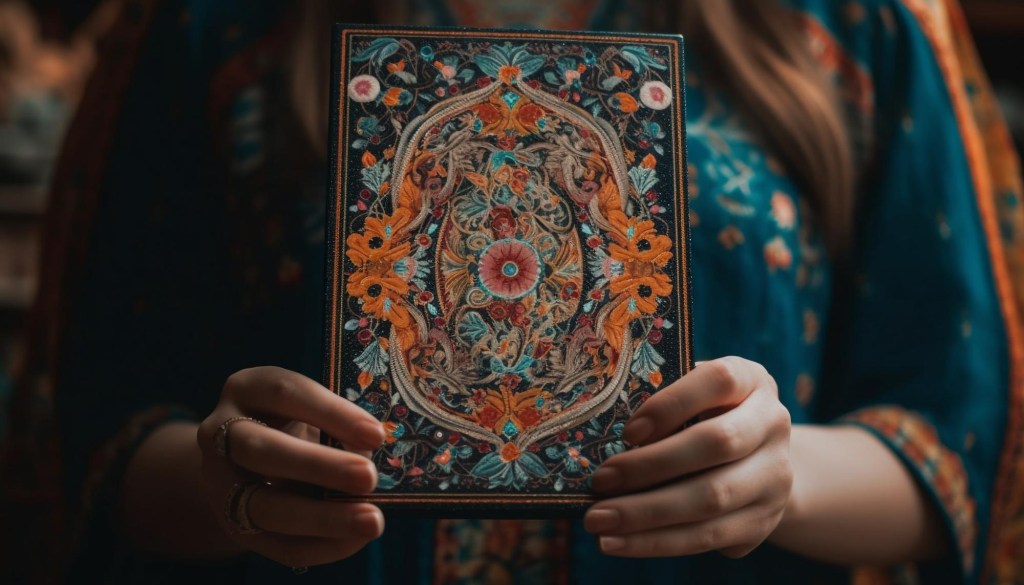
Readings would be done with a pack of fifty-two cards, sometimes with or without the joker cards. France would use the piquet-stripped deck of thirty-two cards. In English-speaking countries, cartomancy became ‘tarot card reading.’
The most widespread cartomancy way of reading is with a regular deck of cards, referred to as the Wheel of Fortune. The reader usually chooses the cards that would be used and assign significance to them and how to interpret them. It usually follows a standard model and varies from region to region.
What Is Tarot Reading And Its Origin?
Tarot is a form of cartomancy using a deck of cards of the same name. It is a practice where readers can dig into the past, present and future. It’s usually achieved by asking a question and drawing cards to interpret the meaning.
The traditional tarot deck has seventy-eight cards split into two groups named Major Arcana and Minor Arcana. Each set in the Minor Arcana, usually divided by Wands, Cups, Swords and Pentacles, represents the elements of Fire, Water, Air and Earth, respectively.
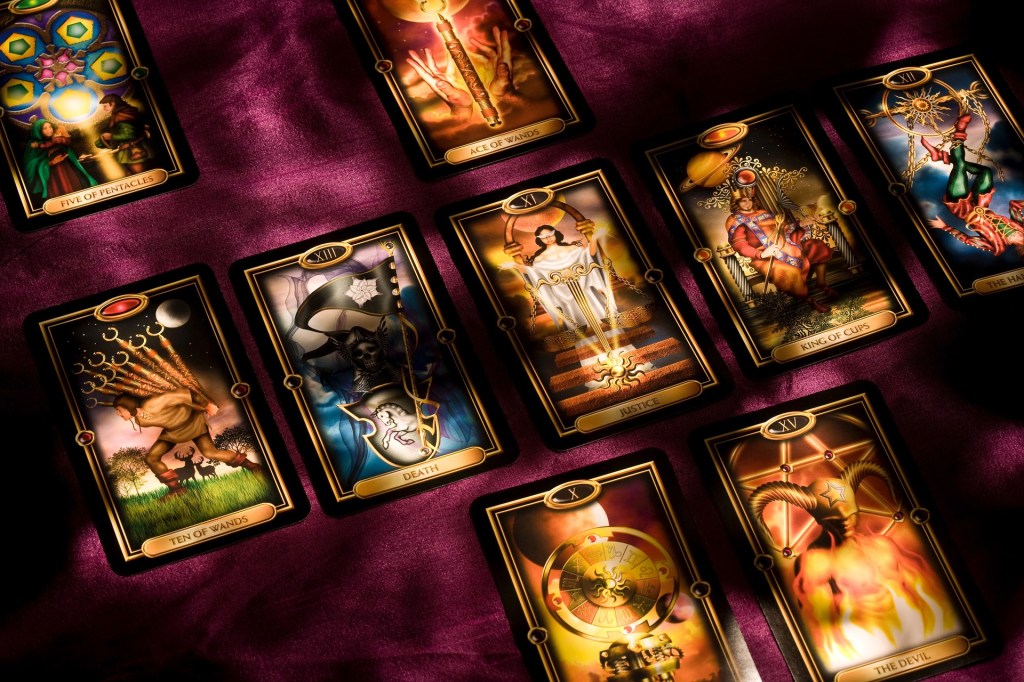
Between 1440 and 1450 in northern Italy, additional cards with symbolic illustrations joined the tarot deck, triumph packs. An early French occultist mentioned that esoteric links to tarot decks could date back to Ancient Egypt, Kabbalah, Indic Tantra and I Ching. Cartomancy has origins found all around the globe in all ancient civilizations.
“The subject of the most successful propaganda campaign ever launched…An entire false history and false interpretation of the Tarot pack was concocted by the occultists; it is all but universally believed.”
Historians
While the first deck of cards was invented in Italy for game purposes, close to cartomancy, the playing decks come from France. But images on cards could be found everywhere. However, historians have their unique ways of describing the Western view of the Tarot deck.
When Did Tarot Became Divinatory In History?
Games weren’t allowed everywhere in the Middle Ages because the Church held a tight grip on people. However, that didn’t mean people weren’t playing. The usage of Tarot decks as cartomancy started in the Middle Ages, and as an occult practice, it was forbidden. Therefore, its actual debut on the scene happened in eighteenth-century France.
The belief in divinatory characteristics from the cards is found in Early Modern Europe. The idea that cards could hold answers goes far back in Europe. The spreading of the occult belief came from the clerics of the Protestants and Catholics. It even reached the Freemasons.
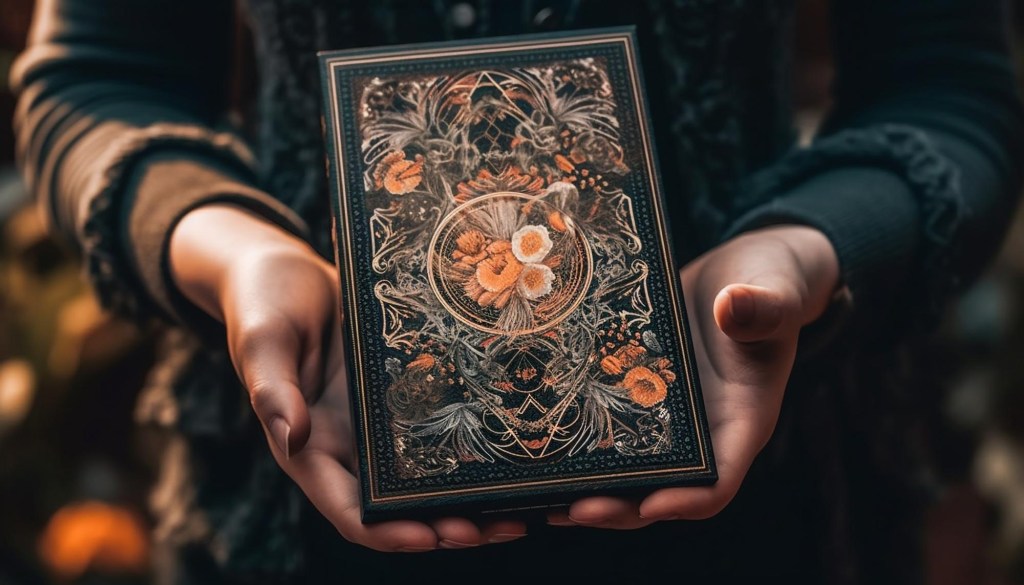
Tarot cards were then seen as hermeneutic for a while as the Church was the main attraction in its debut. Others would associate it with magickal, mystical and semiotic. Romani people would use the Tarot decks to tell the fortunes of people seeking their gifts.
For the longest time, people devoted their time to tracing the Tarot back to Ancient Egypt. A French clergyman, Antoine Court de Gébelin, believed that the card Papesse, known today as the High Priestess, was, in fact, Isis. He believed Tarot had a deep divine significance. The Book of Thoth still attracts people to think the two are related, but sadly, there is no evidence.
The Role Of France In Tarot History
If one turns to the origin and history of Tarot, many French names creep in and soon drown all the papers and paragraphs. The French people had a strong connection with the practice and became anchored in their culture. Cartomancy spread from a house to a castle and reached the highest places. Royalty wanted their fate to be told.
From Antoine Court de Gébelin, who wanted to understand the connections between Tarot cards and Ancient Egypt, to Jean-Baptiste Aillette, who was the first to assign divinatory meanings to cards and created a society for cartomancy, among other achievements, France became the hot spot for Tarot.
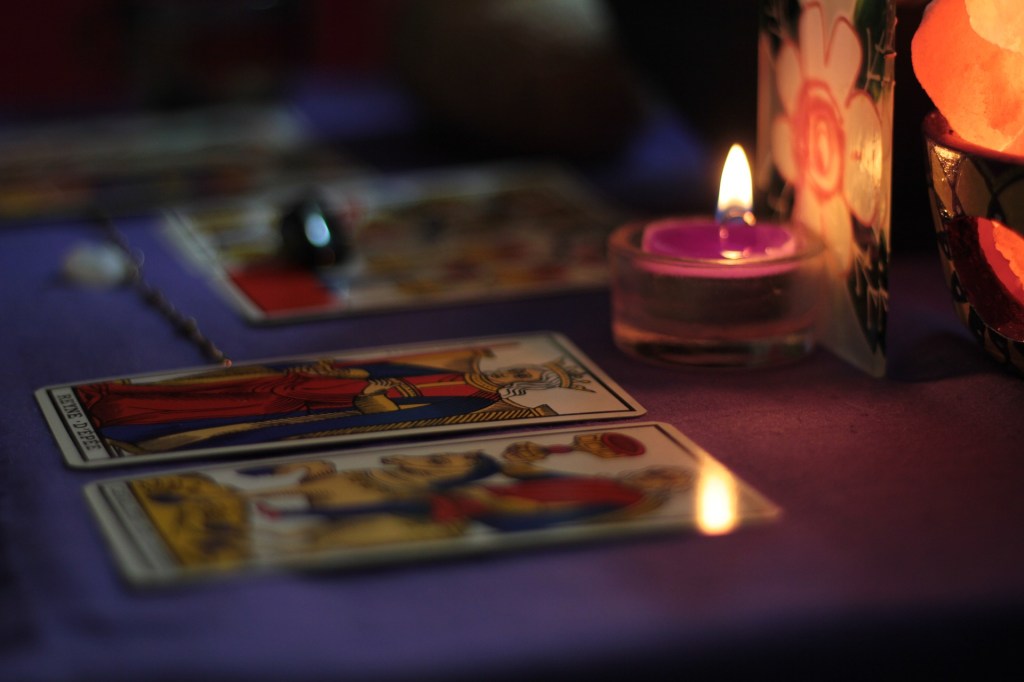
Marie-Anne Adelaide Lenormand is a known name from the Victorian era in the Tarot Community. She claimed to be Empress Joséphine Napoléon’s confidante and was the Tarot reader to royalty. Marie-Anne used both the French Piquet deck and Tarot de Marseilles. To this day, her name carries on as a Tarot deck name.
Another prominent name in Tarot is Deacon Alfonse-Louis Constant or Éliphas Lévi. He redefined the Tarot cards and their meaning. The modern occultist movement is rooted in his book, Dogme et Rituel.
What Do We Understand From Cartomancy?
Cartomancy can be a strong tool in spirituality and witchcraft. When held with honesty and good intentions, it can open doors, protect and bring much positivity in one’s life. Reading cards is a gift and an art that can be taught. One must have patience to learn and respect the cards.
Cartomancy is also a practice that saw many hard times, such as forbidden and bullying. Many mock those who practice cartomancy altogether without exceptions but refuse to learn about what it truly is. It creates misconceptions and stereotypes around cartomancers and witches who practice the art.
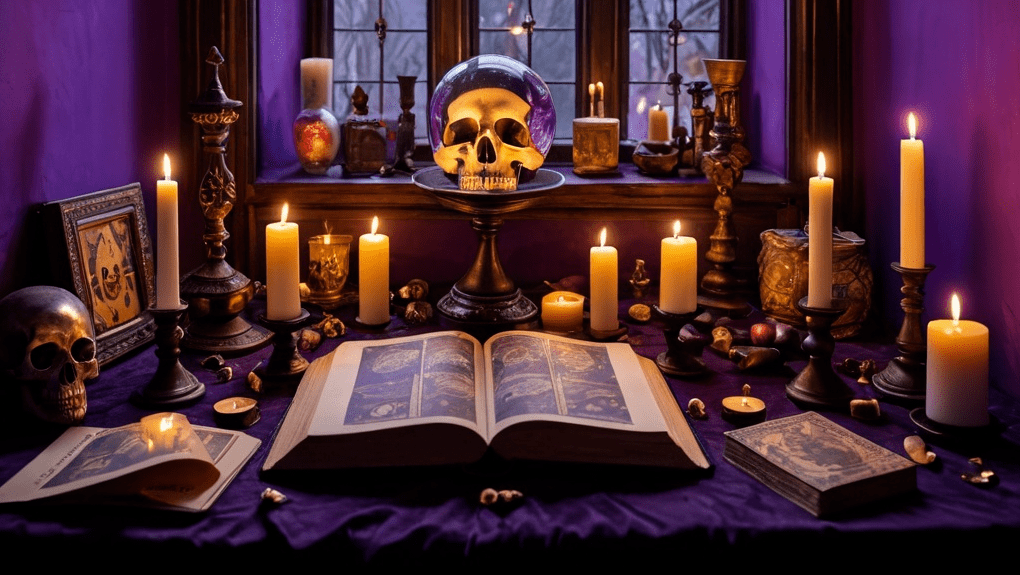
However, now we know how old cartomancy is and how it developed throughout time and eras. The fascination with symbolism, astrology and art endured the test of time. To this day, we have people like me who find out that certain Tarot decks speak to them and have messages to tell.
Only when we open our minds to learning and respecting all paths and magick can we see it still exists. While Tarot might not be a gateway to certainty, it can give messages worth listening to. All you have to do is find the right cartomancer or witch to read the cards for you.
 Gothic Bite Magazine
Do you read tarot? Are you a client or interested in cartomancy?
LikeLike
I have had my cards read a few times as I find it fascinating and I also had my stones read in New Orleans.
LikeLike