

Most people know little about vampires beyond what Hollywood has portrayed them. But what if I told you that, in many ways, I am a vampire? Come read my story.
Come Peek Into My Vampirish Diary
This article is the first of many I planned to explain and dive into the world of vampires. There are so many fields, categories, genres, and lifestyles related to millennia-old and worldwide known creatures that one article wouldn’t cover it.
However, there is also more to know as to why I wanted to be the one exploring the subject. My passion for vampires goes back to my toddler years, but there is more to it. Not only do I relate to the vampire creature, but I am also a certified vampirologist.

Vampires are more to me than all the faces Hollywood gave them. There is much to them that cinema didn’t depict. Often, Hollywood harmed the gothic world, including witches and pagans, at great lengths. They give us such a bad reputation that we are compared to those who sacrifice animals, if not worse.
While gothic people of all kinds tend to be quite introverted under various circumstances, we are also misunderstood. Terms such as vampire and gothic are often misused and misrepresented, if not confused with terms like ’emo’ and ‘metal head.’ So, let’s start from the beginning.
What Does It Mean To Be A Certified Vampirologist
Vampirology is the study of vampires, including their folklore, legends, and the creature itself. It encompasses the entertainment genre, the vocabulary, and the history of vampires worldwide, dating back millennia.
Vampirology studies the entire existence, fictional and real, of the monster we know as a vampire. Because it revolves around all the interpretations of the creature, it also covers other terms such as vampirism, vamp, and the lifestyle. The entire culture and followers of the vampire term.
What I studied for my certification covers vast ground and has taken me worldwide throughout the ages. Vampires are much more than we believe them to be in the everyday world. My studies brought me closer to who I thought I was and confirmed what I suspected.
While it is the most fascinating course I ever took, vampirology isn’t for everyone, as it covers the brutality of what it means in specific areas. It also shows a darker side of humanity and how intolerant humans are when it comes to the word ‘different.’
What Does It Mean To Be A Vampire?
When people think about the word vampire, they usually visualize a portrayal of Count Dracula. Dracula is one of the most recognizable figures in entertainment and part of the original Universal Monsters. However, that figure comes with a lot of baggage.
When a ‘normal’ person hears the word vampire, they think of immortality, blood, bite, horror, coffins, capes, night, garlic, and bats. These are the usual items and depictions surrounding the creature. Because the term vampire became so fictionalized, people don’t stop to think it means much more than childish Halloween decorations.
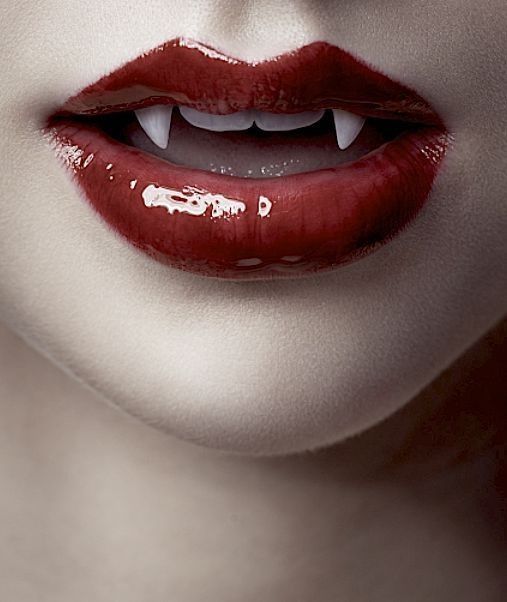
What it means to be a vampire depends on how society dictates it should be. After all, most people stop at social media and short snippet videos to tell them what everything is and isn’t. The question is not simply answered and doesn’t have a brief definition.
There are just as many types of vampires as there are kinds of people on the planet. If we were to hypothesize that vampires, forceful-bite, nearly immortal creatures, exist, they would, too, be people. Humans are one type of animal, but each one is an individual. The same would go for vampires. So, what does it mean to be a vampire? It depends on who you ask.
But What About The Kind Of Vampire That I Am?
Ever since childhood, I have been attracted to the darkest subjects and public figures. I wanted to understand why some humans relish the pain of others. But I also wanted to know why people like me were rejected by society. In other words, I was that kid that your parents warned you about.
I grew up passionate about the unknown, unexplained, and nocturnal. The paranormal, horror, gothic, and witchcraft appealed to me because those topics were different. Perhaps it was because I was born an artist, and conforming to the norms of society wasn’t in my plans.
But growing up with a taste for the gothic and macabre doesn’t make you many friends. Moreover, when friends show up, their parents often warn them to stay away from the weirdo. My grandmother, who raised me, wanted me to be expected, but that word never became my vocabulary. Instead, I replaced it with boring.
As I grew older, I tried to be the girl and young woman my grandmother and mother wanted me to be. I tried to make them happy and let the thoughts of those ‘normal’ people get to me. I associated gothic with anger and depression. I made the mistake, but it didn’t take time for the vampire within to bloom out of me again.
How Can Someone Relate To Vampires?
I relate to vampires for various reasons, and the kind of vampire I am is a little complex. My skin is susceptible to ultraviolet rays, and if I get a sunburn, it shows like a bruise, with shades of dark reds, purples, and indigo. It might stay or take weeks, if not months, to leave. I also developed what we call in French’ boutons de châleur,’ meaning ‘heat rash.’
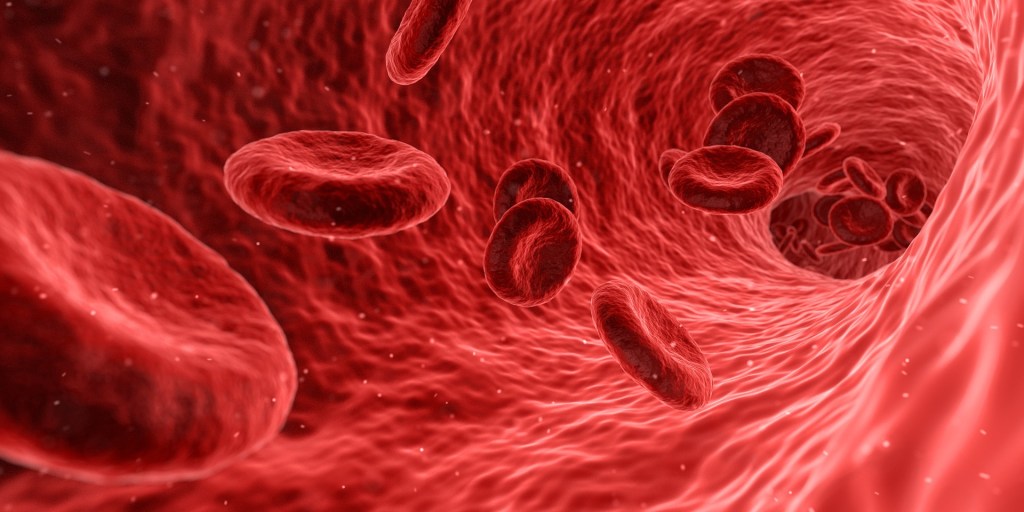
Another sensitivity to daylight I have is called photophobia, which is an ocular sensitivity toward photons. Any reflective surface where light can bounce into my eyesight becomes a problem. I retain vitamin A well, and my eyes can see incredibly well at night, but this also means my pupils dilate during the day, letting in more light, which causes me migraines.
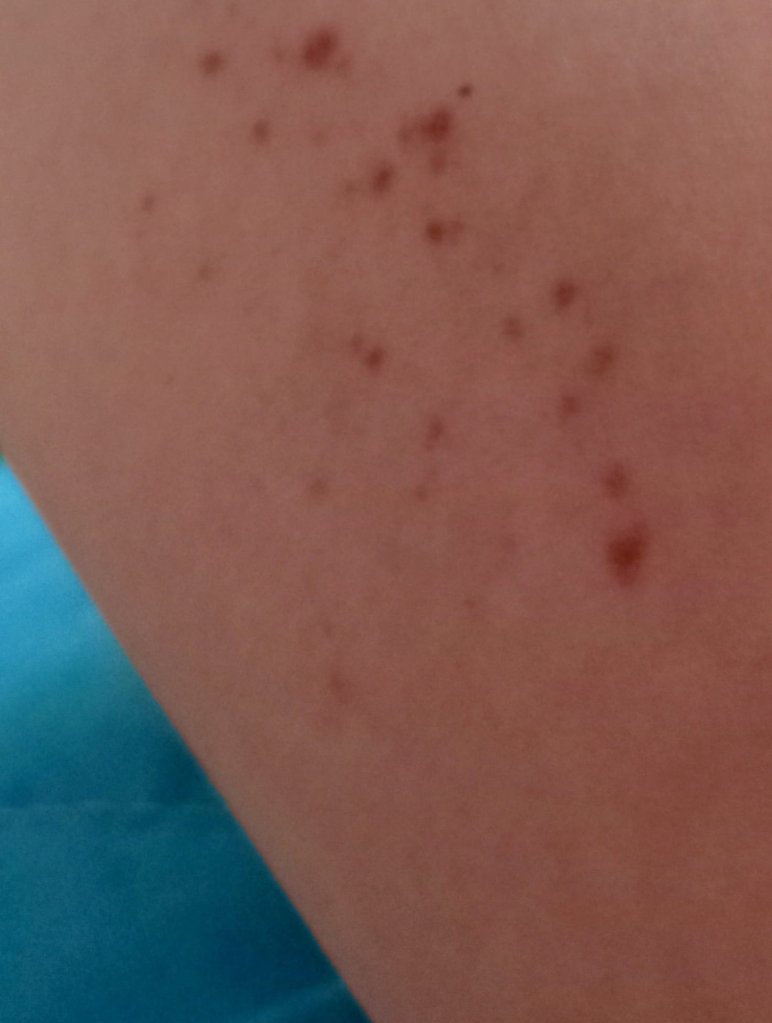
But it wasn’t only my health issues that had me relate to vampires. I am an extreme introvert. I suffer from social anxiety and obsessive-compulsive disorder. It cripples me, and the further away from people I am, the better I feel. That results in me being quite territorial regarding my space and where I live.
A little something extra about myself is that I also suffered from Cotard’s Syndrome. Meaning that I believed for a while that I was dead-alive, unsure if I was a walking dead or living. It is a true syndrome that often occurs after an important trauma in someone’s life.
Something else that I share with vampires is my odaxelagnia, which has me bite and enjoy being bitten. The desire to be alone and avoid human contact, paired with photosensitivity and a mild level of porphyria, made me relate to the forceful bite creature.
What Does This Mean For A Human To Be A Vampire?
In my case, the relatable characteristics got to me and gave me a sense of belonging. Vampires are territorial creatures of habit who would rather seclude themselves from society than be a part of it. They remain away from sunlight for obvious reasons and are also known to have an obsessive temperament.
If we remove their blood need, vampires are still quite impressive creatures. The essence of a vampire is their need to sustain their own lives to keep them undead. They depend on blood to live like humans depend on nutrients from food. However, there are types of vampires, and one of them is sucking the energy out of a person rather than their blood to live.
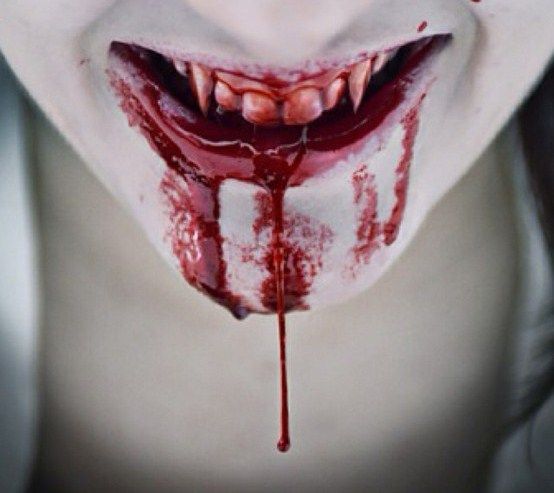
While I do not nourish myself with blood or have the desire to drain someone’s energy, I do have my personal nourishment. I’m an artist and author. Creating is my life, so what drives my inspiration is what I feed upon. The night, the ‘dreamland,’ and music are my feast. Those are the main ingredients to my survival, so I keep creating.
I can’t imagine a day without creating, so I must feed my imagination. I bite into the nocturnal life when most people dream and listen to my music while drawing or writing. Ultimately, I have more in common with vampires than humans, and I am proud of it. What does it mean for a human to be a vampire? It means being free from society’s expectations of what it means to be human.
 Gothic Bite Magazine
One thought on “An Introduction To What Does It Mean To Me To Be A Vampire”