
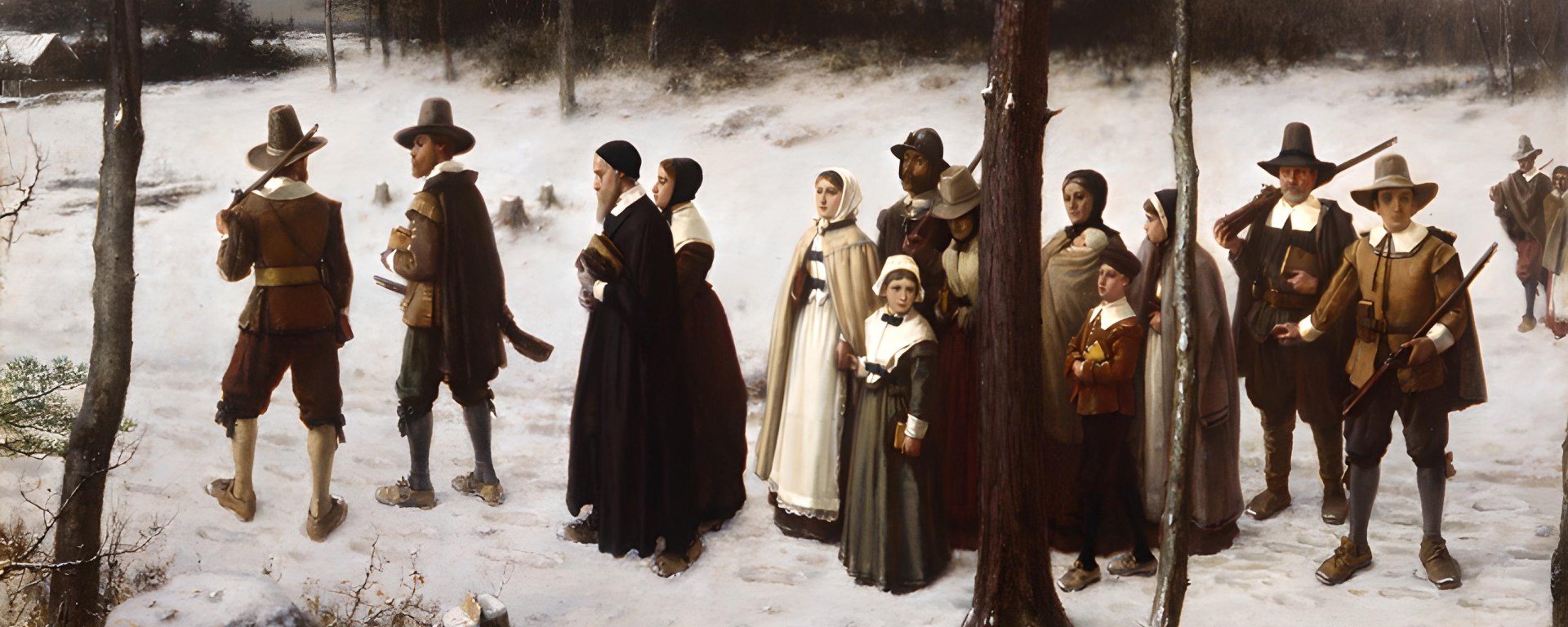
It is the Fall season, and here at Gothic Bite Magazine, we celebrate the Witch Age early for our Fall season, from September 1st to November 30th. So, let’s start this Witch Age Season with Increase Mather, an enemy of Witches!
Puritans Leading To The Salem Witch Trials
We all know about the Salem Witch trials of 1692. The darkest and most horrifying Witch trial in North America. It is also one of the darkest pages in the history of the United States of America.
In the State of Massachusetts, Salem was a more considerable territory and differently shaped and Puritans populated the village. But what do we know about Puritans? The term isn’t often used or is linked to the thought of pilgrims and the first colonies of what would become the United States.
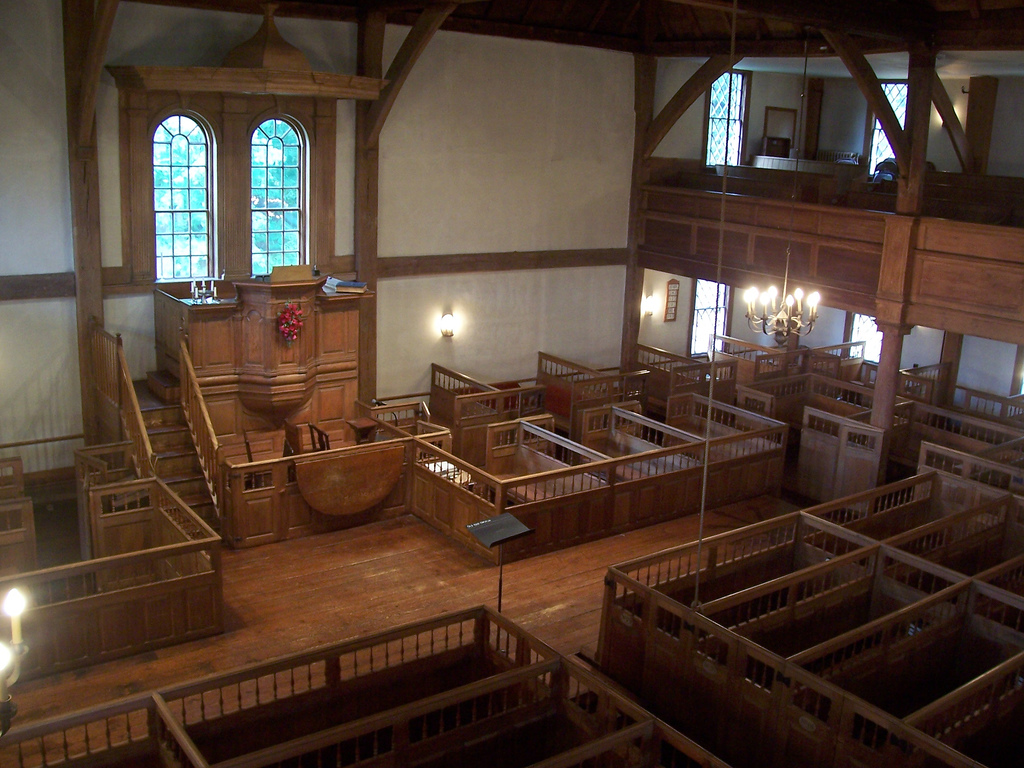
People who moved from the United Kingdom, especially England, to what became the United States were Puritans. They colonized the Massachusetts Bay Colony, which included Salem.
The reason for those English people to move to Massachusetts was to build their own religious colony and society. From the 1500s to the 1700s, the main movement of the religious group was to separate themselves from the Catholic Church.
The Puritans didn’t want the influence of Catholicism and tried to divide themselves from the Anglicanism of Catholics.
Why Are We Talking About Puritans?
Puritans escaped to the United States from England to seek refuge from the Church of England. Increase Mather was, in fact, born on June 21st, 1639, to Puritan parents, the Reverend Richard Mather and Katherine Hold Mather. Increase’s parents were part of the Great Migration from England as Puritans.
Richard and Katherine named their son Increase for a quite specific reason as it wasn’t a name, nor is it one to this day, in English that is.
“…the never-to-be-forgotten increase, of every sort, wherewith God favourited the country about the time of his nativity.”
However, the name ‘Increase’ is from the direct Hebrew translation to ‘Yosëf’ or, as we know, ‘Joseph.’
Increase Mather was the youngest of six brothers named Samuel, Nathaniel, Eleazar, Joseph, and Timothy. As you can clearly see, these are names directly associated with the Holy Bible. Another fun fact about Increase’s brothers is that three became ministers.
The Early Life Of A Witch Trial Puritan
The education of Increase Mather was an impressive one at the time. He studied Arts at Harvard College and graduated at seventeen with a Bachelor of Arts. He began practicing the ministry and left Massachusetts for Ireland, where he studied at Trinity College in Dublin for a Master of Arts. It allowed him to receive a license as a Commonwealth Minister.
Upon graduating in 1658, Increase Mather was now a chaplain, meaning he was attached to a chapel in the Channel Islands. It lasted from 1659 to 1661.
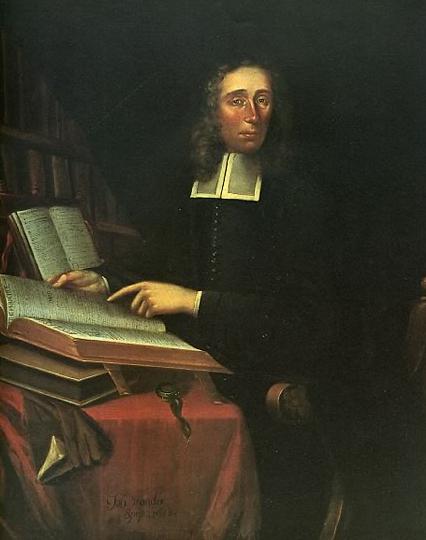
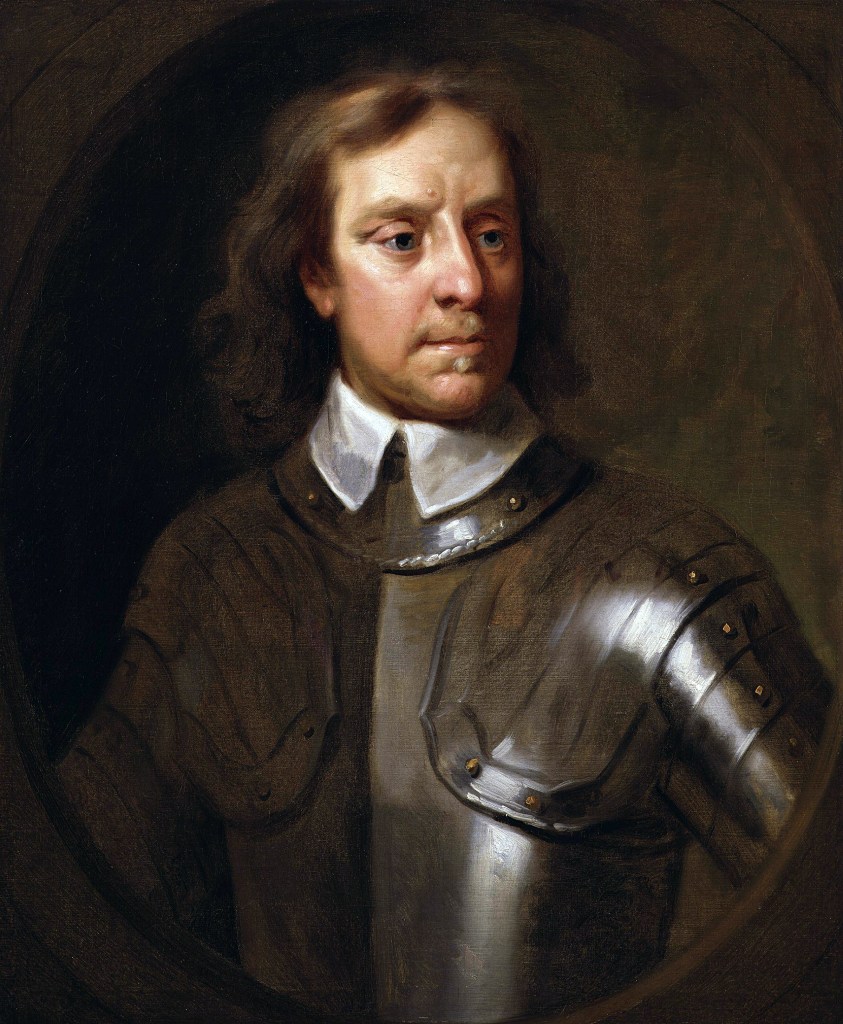
However, upon Cromwell’s passing, an essential political figure, Increase doubted his safety due to the Church of England. He sailed back to Boston in 1661 and was awarded the first honorary degree in the New World by Harvard. In 1692, Increase Mather became a Doctor of Sacred Theology.
Increase Mather And The Witch Trials
First, we must discuss the historical events between Increase and the Salem Witch Trials. He was a scholar and one of the critical figures of Harvard College. His influence was strong when present in the New World but lost some of his influence when he returned to London and had a few back-and-forth voyages.
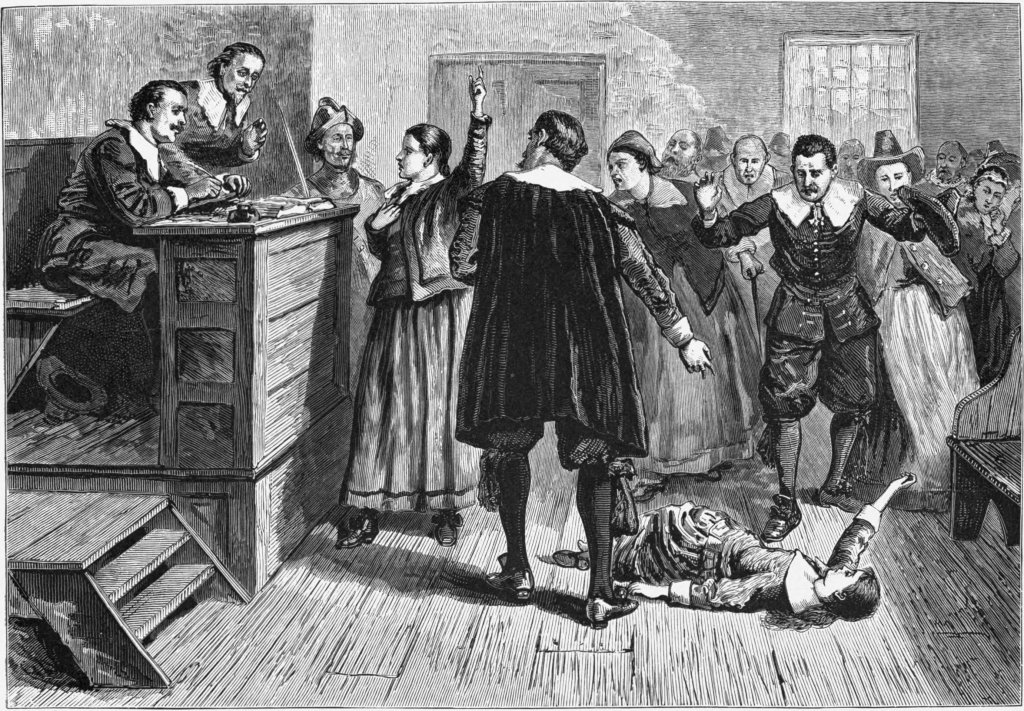
Increase Mather became Harvard College’s president in 1681 and began working on a manuscript. He even incorporated collaborations with other Puritan ministers of the time. However, his influence would fluctuate as he didn’t live close to the college and refused to leave his secondary church. It resulted in his resignation from the presidency.
The manuscript he wrote alongside other ministers showed much interest in witchcraft and how it was dealt with in Europe. Despite the Witch trials losing steam in the European countries as its peak of popularity faded, Mather wanted more studies about it.
A Fascination About Witchcraft And Puritan Beliefs
It was logical for him to learn more about witchcraft because of his strict belief in the Puritan ways to please his God. People had to be under a spell to lose their ways. His intrigue in the matter grew into an obsession, and his 1684 book, Remarkable Providences, displayed a forward dedicated to the real power of witchcraft.
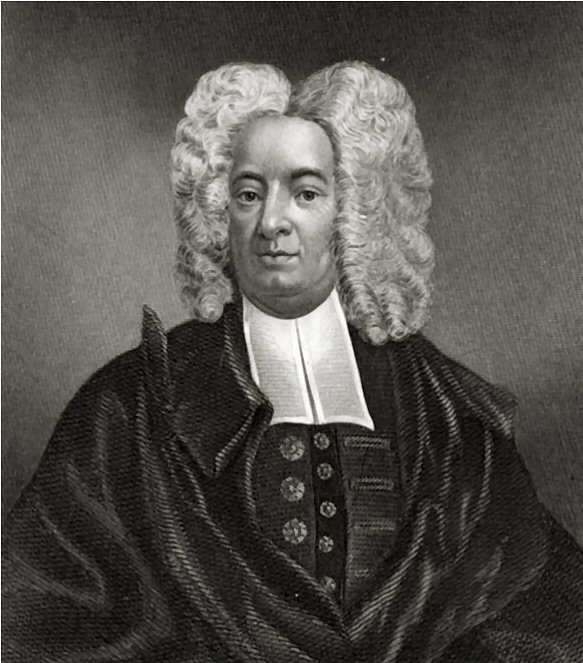
Cases of Conscience Concerning Evil Spirits was another of Increase Mather’s works published in November 1692. Increase defends the judges and ministers who participated in the Salem Witch trials in this work.
There is no surprise there as they were close friends of his. The Witch hunt, which he played a huge part in, backfired and threatened the lives of family members, friends, and his wife. There was also mention of George Burroughs, a fellow minister and influential member of politics and religion in Salem.
The True Increase Mather In The Salem Witch Trials
Mather arrived in Boston on May 14th, 1692. With him was the new governor, Sir William Phips. However, Salem had already swirled into a Witch war, and jails were running out of room for all of the accused.
Because of a new charter petitioned by Increase Mather and a new governor in place, Phips established the Court to hear and determine which of the witchcraft cases required further investigations. This caused Bridget Bishop, the first accused, to hang on Gallows Hill on June 10th, 1692.
Governor Phips felt overwhelmed by the number of accusations and turned to Increase Mather for guidance. Increase followed his son’s advice and brought back more ministers for help.
Mather also cautioned Phips about spectral evidence in Court. This is where many historians and Salem enthusiasts find Increase Mather contradicting himself: although he seemed to believe in the presence of Witches, he didn’t believe in spectral evidence or a way to prove the accused was a Witch.
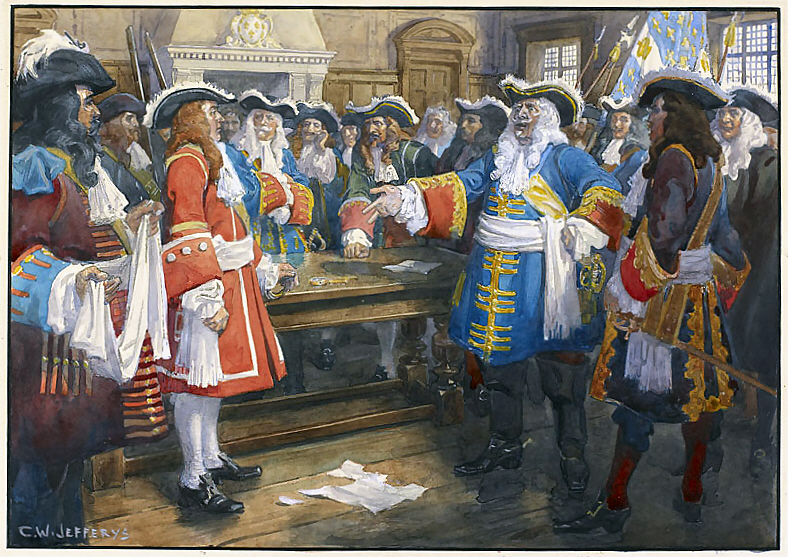
However, Sir William Phips had to leave for Maine in preparation for an attack on the Native American tribes. He left the Court disregarding the piles of arrests and trials needed.
Increase Mather lost hope to restructure the Court and bring order to Salem with strong Puritan beliefs. Sadly, the pilgrims and Puritans had much determination in fighting off Native American forces as the belief was that attacks from the ‘heathens’ were a sign of God’s disfavour for the populace.
The Overgrowing Witches Of Salem
Contrary to the portrayal in television series such as Salem, Increase Mather, though a strict Puritan, didn’t believe in condemning Witches. To Mather, the life of an innocent was worth more than four Witches. He even tried to share his view with Simon Willard’s Third Church in Boston, but it fell through.
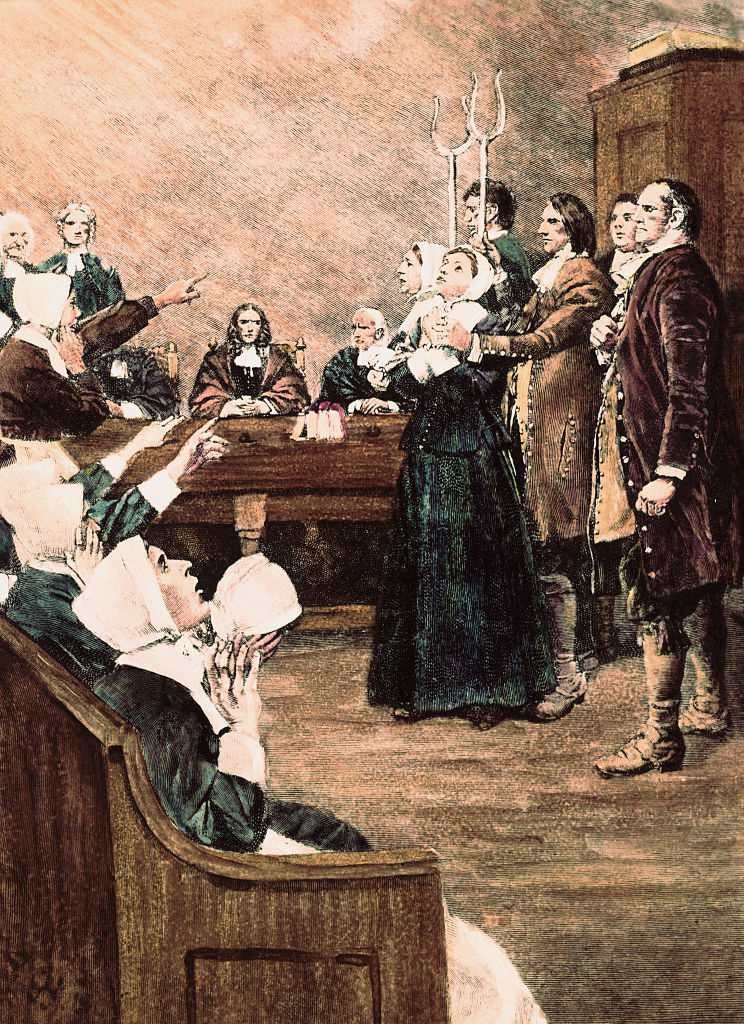
Increase Mather encouraged the populace to focus on their personal shortcomings and disregard those of their friends and neighbours.
But Salem was gaining so much popularity and gossip became a central interest, and rumours spread out. Although people feared Salem, they couldn’t stop talking about the Witch town. In that regard, Increase Mather failed to halt the trials.
When Salem Reached Its Witchy Peak
In history, Increase Mather attended only one trial in Salem, and that was one of George Burroughs, Jr. Strangely enough, it was the only time Mather agreed with the final judgement. Again, another contradiction occurred with Increase Mather as his position disproved the Court’s judgement method. Yet, he was in agreement to use all procedures on George Burroughs.
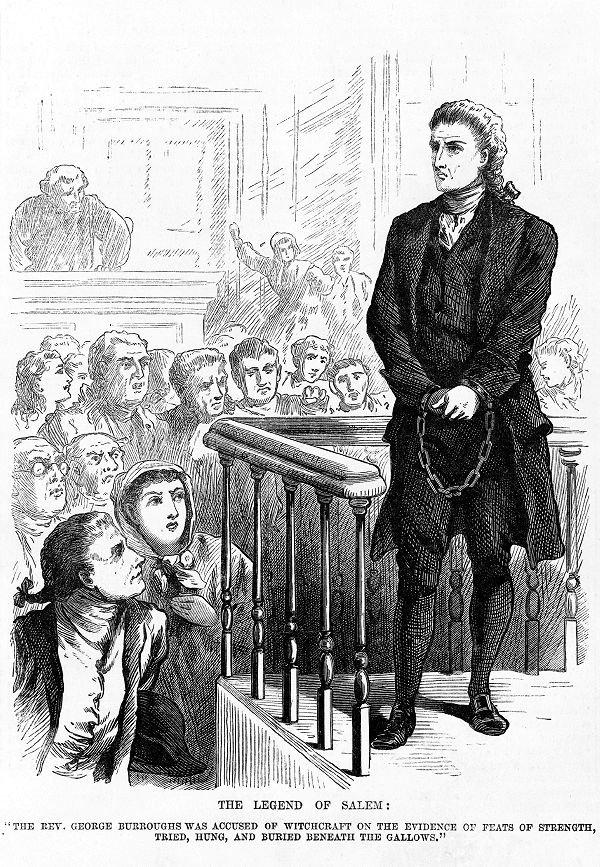
“Burroughs, as a dissenting minister, offered so powerful a symbol of lost Puritan power that such moderate and influential ministers as Increase and Cotton Mather lost their way in confronting his case.”

The fate of the accused grew dimmer as September of 1692 arrived, and jails were full. People of Salem were now in a mass hysteria regarding Witches. One man, Giles Cory, tortured to death due to a non-plea, scared those awaiting trial while those outside kept accusing others.
“Without the postscript, Cases of Conscience would be a bold stroke; with it, the book is a miserable species of double-talk,” — Perry Miller.
Increase Mathers tried his best in his work Cases of Conscience to absolve his friends, among them judges, during the Salem Witch trials. He tried to remove their names from wrongdoing and glorify their work. Yet Mather denounced the trials and their barbaric ways. I believe the term is ‘conflict of interest.’
What Must We Know About Increase Mather
As someone as influential as he was, he took his time to involve himself in the Witch trials. He instead focused on voyages, bringing him back and forth between the United Kingdom and the new colonies. Despite his popularity, his priorities were elsewhere concerning the Witch trials.
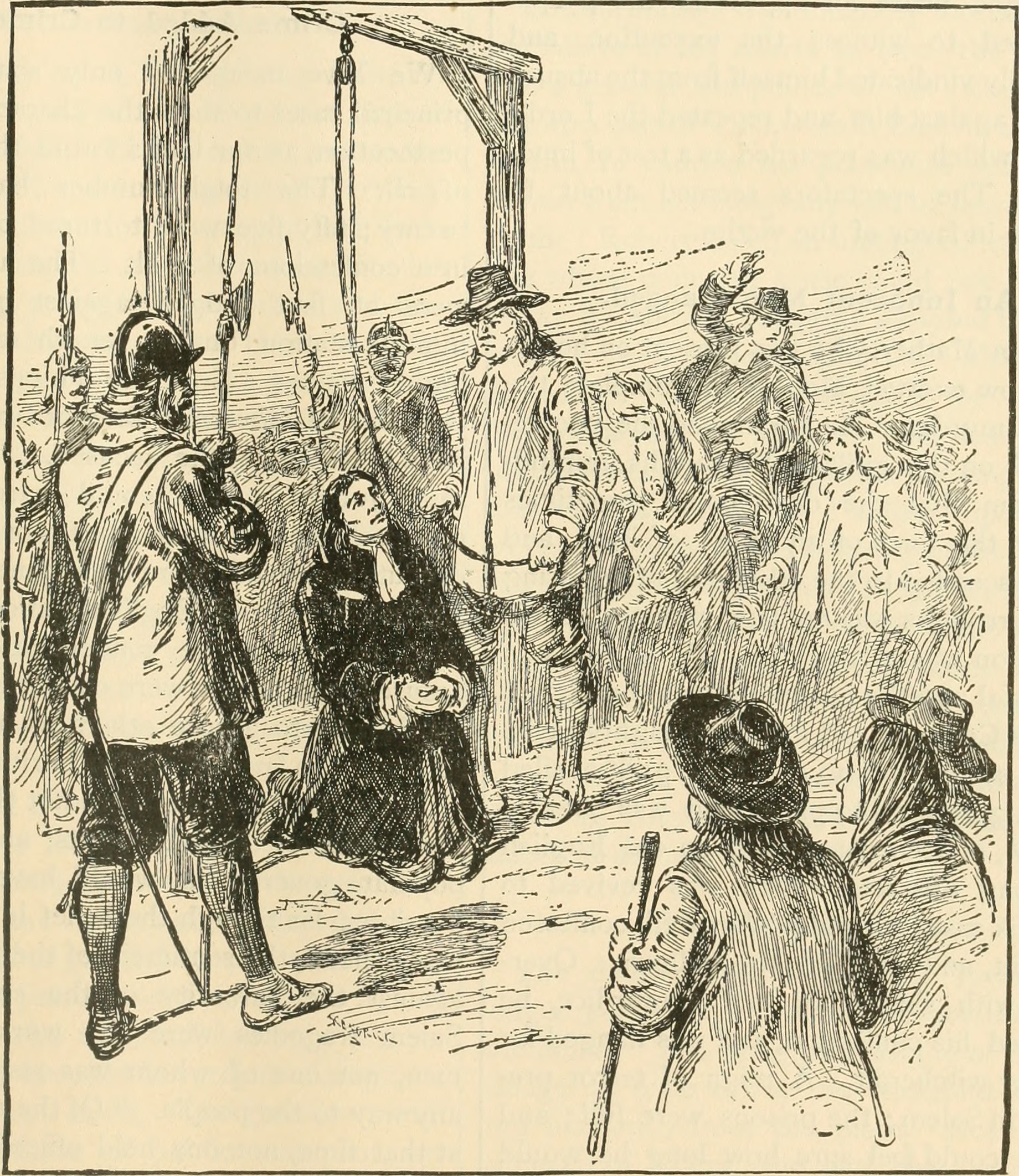
Increase Mather tried to calm the hysteria and put the people’s focus back where it should be as Puritans. But he didn’t use his advice thoroughgoingly when agreeing with the verdict concerning George Burroughs. Not leading by example cannot cause a crowd to change their views. Mather failed to change the minds of the dwellers of Salem.
But let’s remember that Increase Mather did believe in the power of witchcraft and linked Witches to the devil. However, he was against condemning someone without undeniable proof. The methods used, some dating as far back as the Spanish Inquisition, were against Increase’s beliefs, except when it came to Burroughs.
The Conclusion On Increase Mather
In historical documents, Increase Mather was unlike his depiction in the popular Salem series. He was much more absent than we believe and didn’t participate in the torture of Witches as he didn’t believe in the system of pain for confessions. Increase was much more interested in his duties as a writer and Puritan minister.
Here is a trivia fact about Witches in the United States. Witches were not burned in Salem. That was a European verdict. In the United States, they hanged Witches. In Salem, it was with a rope over a branch of the oak tree. Here is another trivia about the Salem Witch trials.
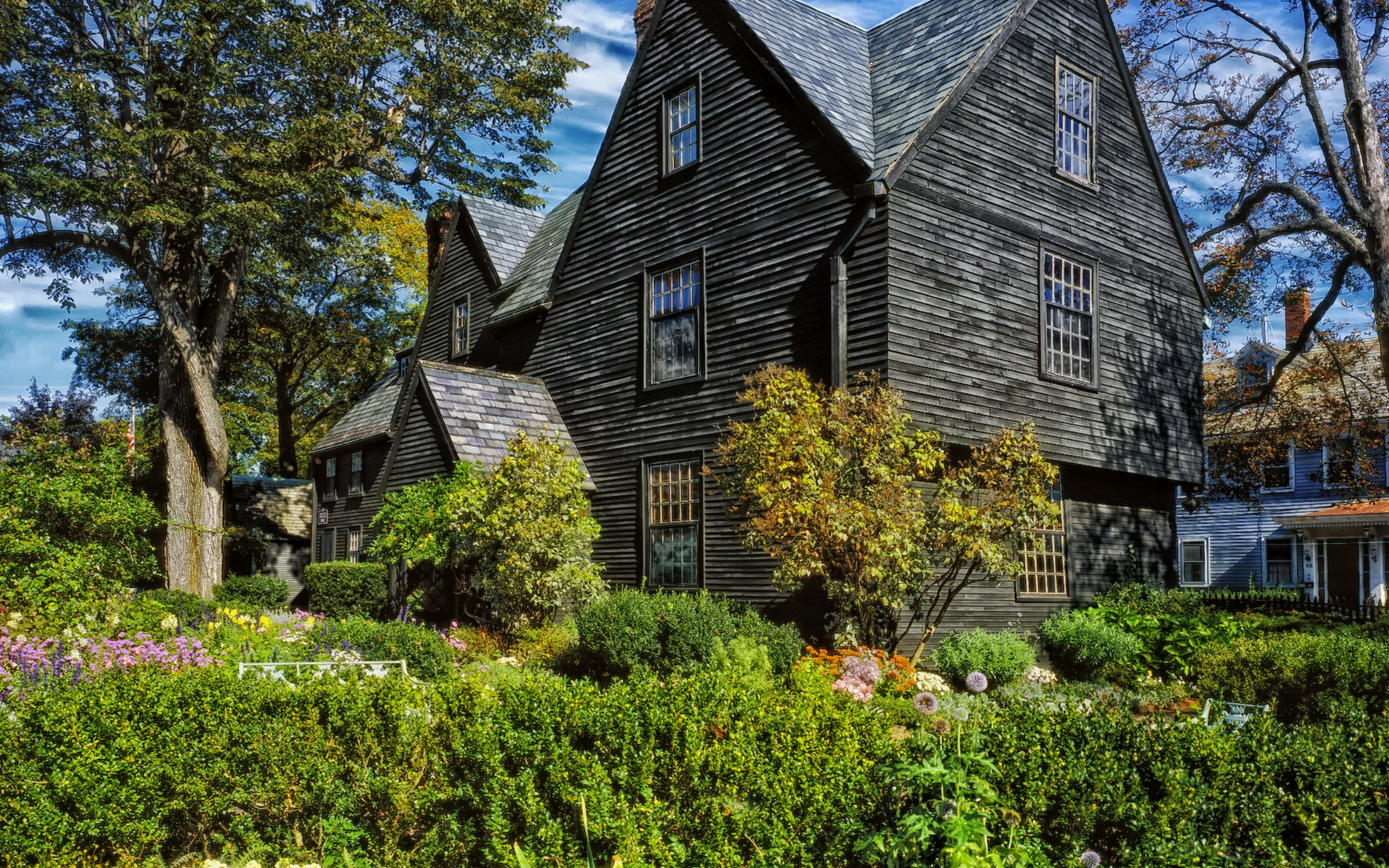
The infamous Tractor’s Ledge, Gallows Hill, the emplacement had no hill because the hanging didn’t take place at the top of the mountain. It would’ve been much too hard to carry a carriage full of corpses.
The alleged crevasse of bodies, which we see in the Salem series, is a misconception. The crevasse, believed to have served as a grave for Witches, was not used by the people of Salem.
The emplacement has too thin of a dirt layer and too many rocks for bodies to decompose properly. Also, after many investigations over time, no bodies were found.
In fact, many bodies of those who perished in the Salem Witch trials remain ‘lost,’ but the consensus is that most of the corpses were smuggled and buried in unmarked graves.
 Gothic Bite Magazine
3 thoughts on “The Contradictions Of Increase Mather in The Salem Witch Trials”