In the shadowed corridors of medieval castles and the crumbling walls of forgotten abbeys, the silent screams of the forsaken linger. Immurement—the act of sealing a person within a wall, crypt, or underground chamber—was one of the most horrifying fates to befall the condemned.
A living tomb, a slow descent into madness, and a fate worse than death itself. It was not simply an execution; it was the ultimate abandonment, a punishment that blurred the line between justice and sheer cruelty.
Fairy tales, as we know them today, are often softened, sanitized versions of their grim past. Before Disney transformed them into magical adventures for children, these stories were cautionary tales—dark warnings about the dangers of vanity, betrayal, and death.
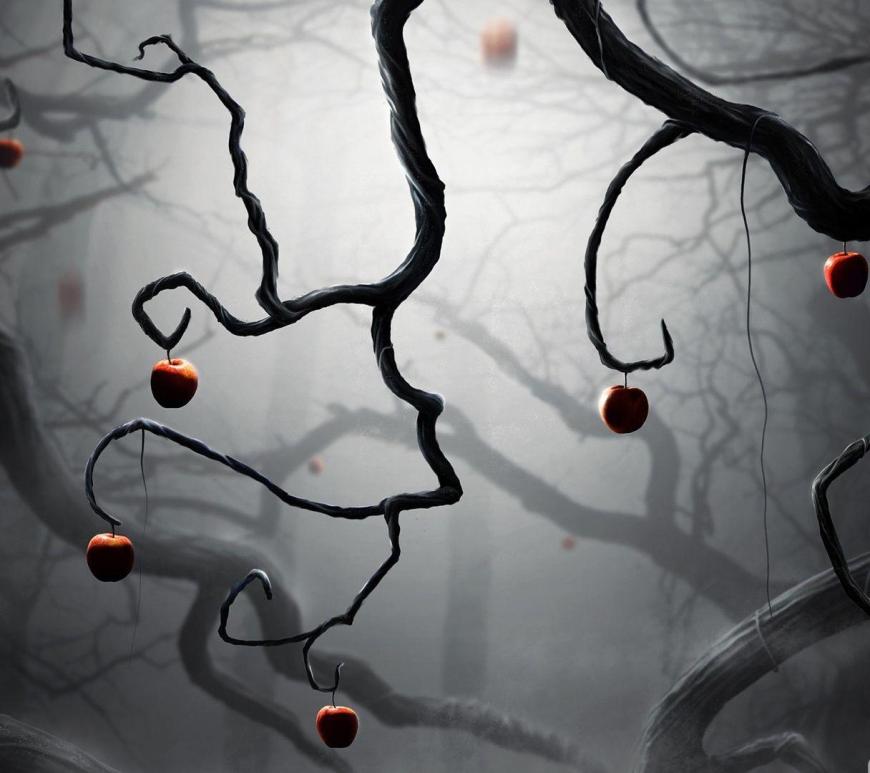
Snow White and the Seven Dwarfs is no exception. The version we recognize today, filled with dwarfs, a poisoned apple, and a prince’s kiss, is a far cry from its gruesome origins, where murder, necrophilia, cannibalism, and violent revenge played central roles.


 Gothic Bite Magazine