
Long before Dracula, ancient Mesopotamia was filled with blood-drinking demons and restless spirits that preyed on the living. These early entities reveal the origins of the vampire myth and the fears that shaped it.
The Mesopotamian Proto-Vampires
Mesopotamian mythology offers some of the earliest examples of vampire-like beings. While the concept of the modern vampire did not yet exist, ancient Mesopotamia was filled with blood-drinking and life-draining spirits that feel strikingly familiar.
To find the earliest forms of vampire-like entities, we must go back to approximately 3000–2000 BCE, in the civilizations of Sumer, Akkad, and Babylonia. These beings were not called vampires, but they shared many of the traits associated with them.
They were believed to feed on humans, often through blood or life force. They attacked at night, targeted the vulnerable, and were closely linked to death, disease, and improper burial practices.
Lamashtu, the Child-Stealing Demon
Lamashtu is one of the most infamous figures in Mesopotamian mythology. She was believed to drink the blood of infants and prey on pregnant women, causing miscarriages and illness. She was also said to stalk her victims at night.
Unlike a ghost, Lamashtu was considered a powerful demon feared across Mesopotamia. To protect themselves, people wore amulets depicting Pazuzu, a figure believed to ward her off. These practices represent some of the earliest known forms of protective rituals against supernatural threats.
Lilitu, the Night Spirits
The Lilitu were female night demons often regarded as early counterparts to what would later become Lilith in later traditions.
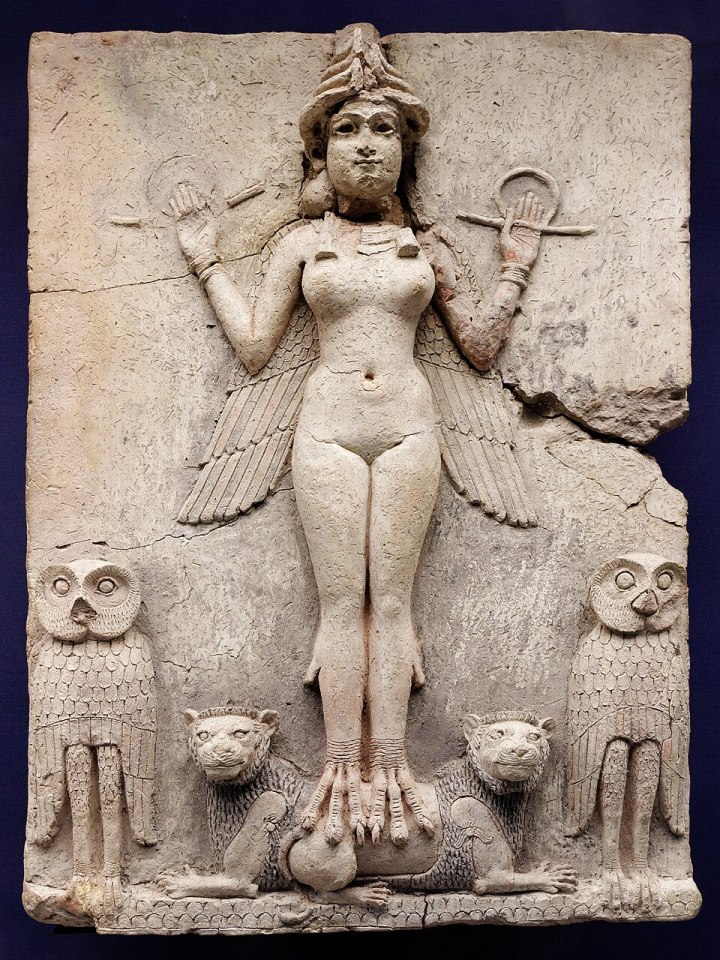
They were believed to seduce men in their sleep and drain their vitality, sometimes interpreted as blood or sexual energy. As nocturnal entities associated with seduction and danger, the Lilitu represent one of the earliest forms of the “seductive vampire” archetype.
Ekimmu, the Restless Dead
The Ekimmu are perhaps the closest Mesopotamian equivalent to the modern concept of a vampire. They were restless spirits of the dead, often those who had not received proper burial or who had died violently.
These spirits were believed to return to the world of the living, feeding on the life force of the living and causing sickness, weakness, and death. The idea of the dead returning to drain the living closely parallels later vampire traditions.
The Psychology Behind These Beliefs
These beings were not simply monsters; they reflected real fears within Mesopotamian society.
Lamashtu embodied the fear of infant mortality and complications during childbirth. Lilitu represented anxieties surrounding sleep, vulnerability, and erotic dreams. The Ekimmu reflected fears of disease, death, and improper burial rituals.
In this way, these entities served as early explanations for forces that could not yet be understood.
Connecting to the Modern Vampire
While these Mesopotamian entities are not vampires in the modern sense, they introduced many of the traits that would later define the vampire figure: nocturnal predation, the draining of life or blood, the return of the dead, and the use of protective rituals.
These ideas evolved through later cultures, including Greek and Slavic traditions, eventually contributing to the vampire archetype we recognize today, most famously in Dracula.
 Gothic Bite Magazine