
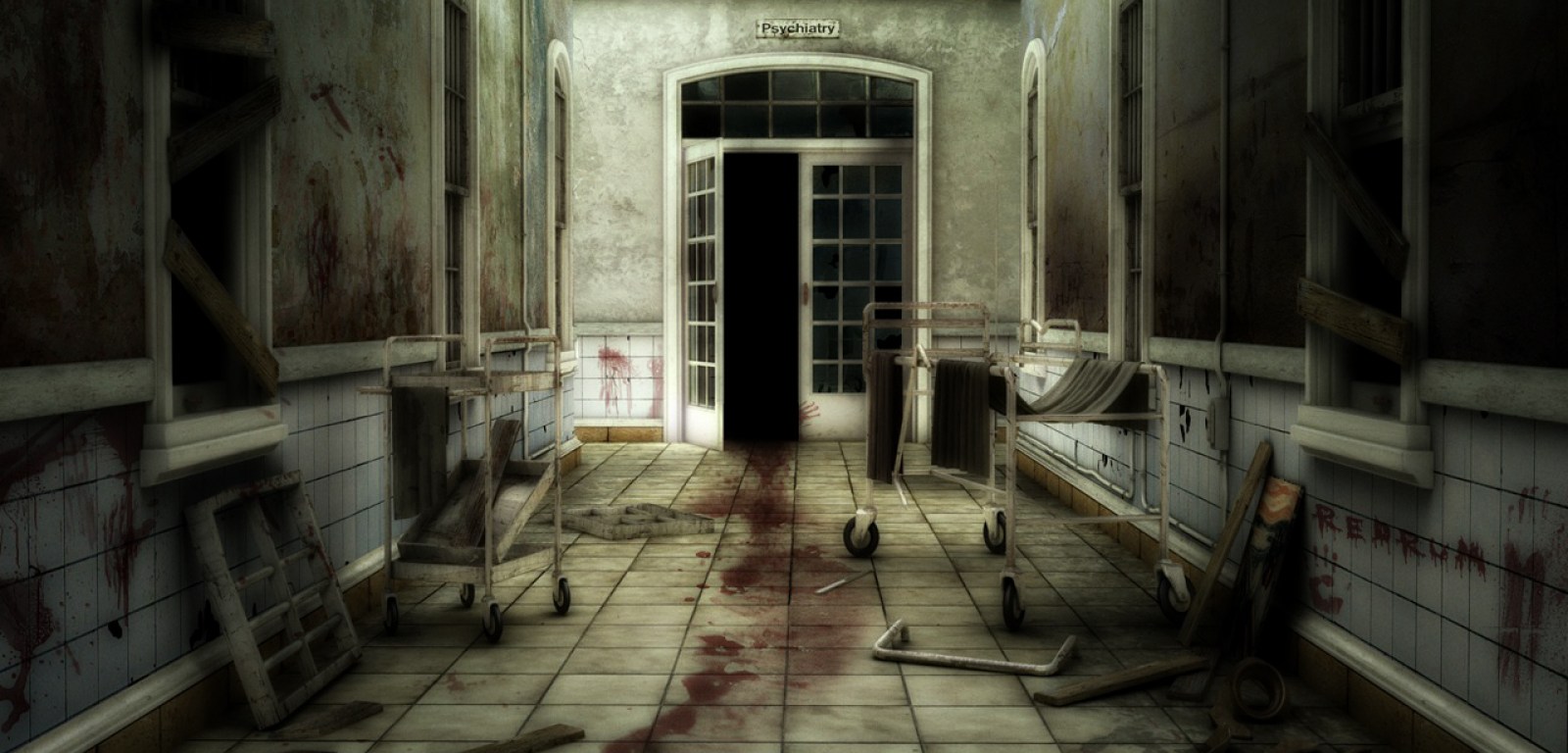
We know Friday the 13th and its famous killer, Jason Voorhees, but where did the reputation of Friday the 13th really start, and where does it come from?
The creepy reputation of Friday the 13th is an actual mash-up of two older superstitions that developed separately and eventually merged. Neither started out connected, but once they combined, the date became a cultural magnet for bad luck stories.
The Number 13 Was Already Considered Unlucky
The suspicion of 13 has persisted for centuries.
One of the most commonly cited origins comes from Christian tradition. At the Last Supper, there were thirteen people at the table, and the thirteenth one was Judas Iscariot. Later on, Judas betrayed Jesus Christ, leading to the crucifixion.
Because of this association, medieval Europe developed the belief that if thirteen people dine together, one of them would die within a year.
Another possible source comes from Norse mythology. At a banquet of the gods, the trickster Loki arrived as the thirteenth guest, leading to the death of Baldr.
Across different traditions, thirteen became associated with betrayal, chaos, or death.
This fear even has a name: triskaidekaphobia known as the fear of the number 13.
Friday Was Also Considered an Unlucky Day
Separately, Friday has negative associations in medieval Christianity.
According to tradition, Jesus suffered crucifixion on a Friday. In later folklore, Adam and Eve might have eaten the forbidden fruit on a Friday. Some traditions claim the Great Flood began on a Friday.
Therefore, people regarded Friday as an inauspicious day for major events.
For centuries, people avoided starting journeys, signing contracts, beginning construction, and getting married on a Friday.
The Merging Of Friday And The Thirteenth
Across different traditions, the number thirteen became associated with the two superstitions that merged. Interestingly, Friday the 13th as a specific unlucky date doesn’t appear clearly in written records until the 19th century.
The idea seems to have spread culturally rather than originating from a single ancient source. One event often cited, though historians debate the connection, is the arrest of the Knights Templar.
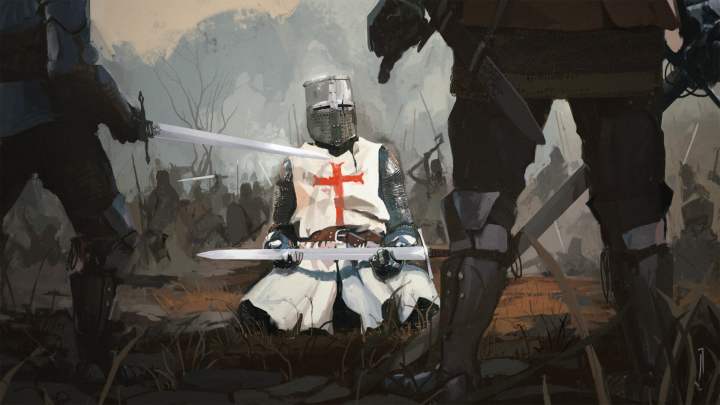
On Friday, October 13, 1307, the King of France ordered the arrest of the members of the Knights Templar. Authorities accused the order of heresy, and torturers or executioners dealt with many of its members. The arrest order came from Philip IV of France.
However, historians believe that this event did not originally create the superstition. This connection’s popularity came much later.
Pop Culture Cemented the Fear
The superstition became widely known in the early 1900s thanks to a novel titled Friday the 13th. The story involves a stock market conspiracy deliberately executed on Friday the 13th to exploit public fear.
Subsequently, newspapers and media began to emphasize superstition more frequently.
Then horror culture took it even further with the iconic film Friday the 13th and its renowned supernatural killer, Jason Voorhees.
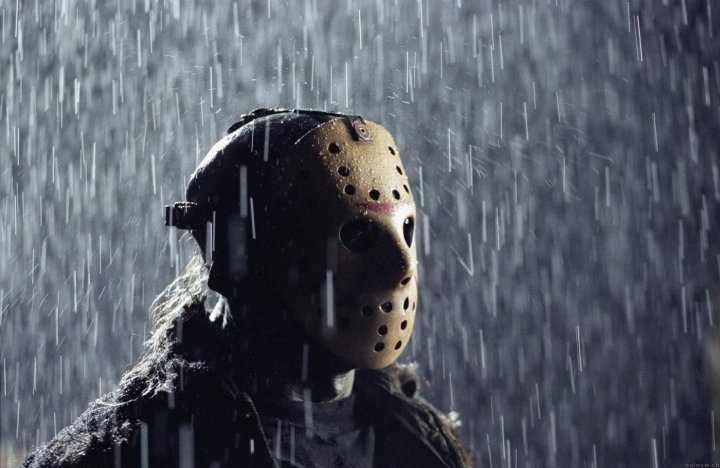
Once the horror franchise took off, the date became permanently associated with danger and bad luck.
Real-World Effects
Despite being a superstition, the date actually affects behaviour, with some airlines reporting fewer flights booked, many buildings skipping the 13th floor, and some people avoiding travelling or making big decisions.
Psychologists sometimes refer to fear of this date specifically as paraskevidekatriaphobia known as the fear of Friday the 13th.
The Big Picture
Friday the 13th doesn’t come from one ancient origin. It’s the collision of several ideas, such as medieval religious symbolism, unlucky number traditions, cultural storytelling, and modern horror media.
Once those ideas were stacked together, the date gained a reputation that stuck.
 Gothic Bite Magazine