
Vampire burials are found across Europe and raise many questions as to how people in the medieval age viewed death and its connection to life. It wasn’t enough to be dead because it wasn’t the end; after all, you could return as a revenant or worse…as a vampire.
What Does The Wharram Percy Burial Mean
This vampire burial is one of the most fascinating and disturbing medieval discoveries in Britain to date. The site at Wharram Percy revealed strong archaeological evidence that medieval villagers believed that some of the dead could rise from their graves as vampires, basically, undead corpses that physically returned to harm the living.
The villagers took extreme steps to stop it.
What Archaeologists Found
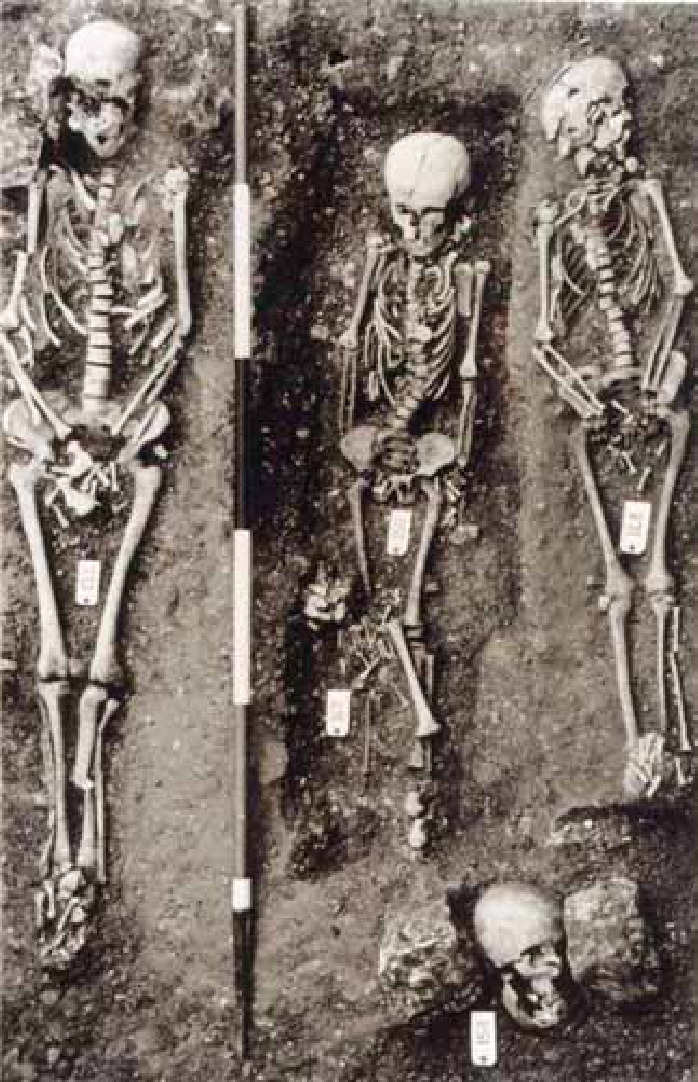
Between the 1960s and 2010s, excavations uncovered a pit containing over a hundred human bone fragments, dating roughly from the 11th to the 13th centuries.
However, these were not normal burials.
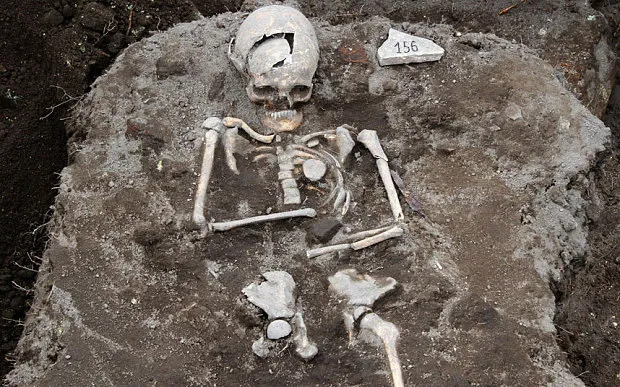
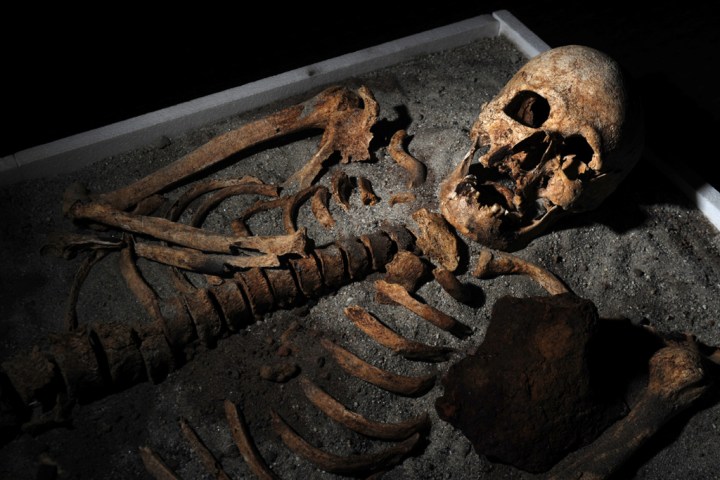
Researchers discovered that many bones showed signs of decapitation, dismemberment, burning, and breakage after death
These bodies were cut apart and burned deliberately before being discarded in a refuse pit rather than being buried properly in the churchyard.
This was a massive red flag for archaeologists.
Evidence of Anti-Revenant Rituals
A 2017 study led by archaeologist Simon Mays concluded that the mutilations were intentional attempts to stop the dead from returning.
The process likely looked something like this:
- Dig up the corpse
- Cut the body apart (especially the head and limbs)
- Burn the remains
- Scatter or discard the bones
The logic was brutal but straightforward. If the corpse can’t move, it can’t come back.
What Is a “Revenant”
In medieval England, the fear wasn’t exactly the romantic vampire we think of today.
Instead, people feared revenants, physical corpses that walked at night, attacked family members, spread disease, suffocated sleepers, and drained life from livestock or villagers.
Chroniclers such as William of Newburgh wrote accounts of these events.
He described corpses leaving graves and terrorizing villages until they were dug up and destroyed by the villagers.
Therefore, this was not fringe folklore; it appears in real medieval historical writing.
Who Were These People?
The bones from Wharram Percy include the following: men, women, and teenagers
Interestingly, they were not children, which suggests that villagers feared certain adults becoming revenants, not just random corpses.
Researchers believe that they may have been social outcasts, suspected criminals, people who died violently, or individuals thought to have been “evil” during their lives.
If someone had a bad reputation while alive, people might assume that they wouldn’t rest peacefully after death.
Why the Bodies Were Burned
Burning was considered one of the most effective anti-undead measures in medieval European folklore.
Other methods used across Europe included driving stakes through the body, placing stones in the mouth, burying corpses face-down, removing the heart, and decapitation
The Wharram Percy case is unusual because multiple methods were used.
This suggests a serious fear.
The Village Context
Wharram Percy was a typical medieval farming village that existed from around the 900s until it was abandoned in the 1500s.
Life there was extremely harsh, with frequent disease, famine, brutal winters, livestock deaths, and unexplained illness
When bad things happened repeatedly, communities sometimes looked for supernatural explanations.
A suspected revenant could become the perfect scapegoat for any misfortune.
Why This Discovery Matters
The Wharram Percy remains are important because they are the clearest archaeological evidence of anti-revenant practices in Britain.
They show that fear of the undead was not just folklore, communities physically acted on those beliefs, and medieval people sometimes exhumed and mutilated the dead
This predates the popular vampire fiction by hundreds of years.
The big takeaway is that people in medieval Europe genuinely believed that some corpses could return. When strange things happened, such as disease, nightmares, and sudden deaths, they sometimes blamed the dead and destroyed their bodies to stop them.
The bones at Wharram Percy are physical evidence of that fear.
 Gothic Bite Magazine