
Explore the darker origins of Halloween through true tales of the paranormal. From Peter Stumpp, the real “werewolf” of Bedburg, to misunderstood witches, zombie science, and a chilling vampire story from Beyond Belief: Fact or Fiction, this article dives into the eerie truths behind folklore, myth, and the mysteries that still haunt us today.
The paranormal has fascinated me for as long as I can remember. Even as a child, the idea that death might not be the end, that life could twist into another form on a spectral plane, kept me wide-eyed under the covers.
The thought that the full moon could awaken something wild inside us, that creatures of the night might truly walk among us, always gave me that familiar chill I never wanted to end.
Ghosts, werewolves, vampires, zombies, the so-called monsters that lurk at the edges of legend, all held me spellbound. And while most people eventually grow out of these tales, I never did. Instead, I grew into them.
Discovering the Truth Behind the Myths
As I grew older, curiosity replaced fear. Instead of dismissing folklore as fantasy, I began to research it. Back in my teenage years, before the internet became the overflowing library it is today, my search for truth meant hours spent buried in books and encyclopedias. And what I found was far more fascinating, and disturbing, than fiction.
The Werewolf of Bedburg: The Tragic Tale of Peter Stumpp
One of the first stories that truly haunted me was that of Peter Stumpp, a widower, often called The Werewolf of Bedburg. A German farmer and father living in the 16th century, Stumpp was accused of unspeakable crimes: murder, cannibalism, and witchcraft, during a time when fear and superstition ruled over reason.
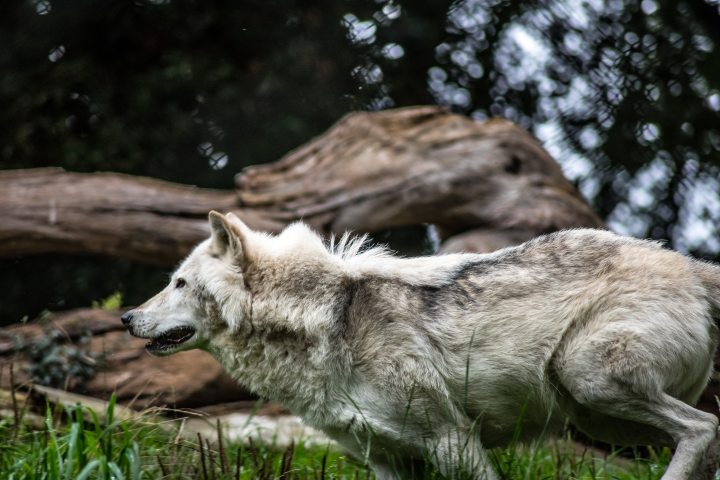
After being captured, he confessed under brutal torture to being a werewolf. According to his confession, he claimed to possess a magical belt given to him by the Devil, which allowed him to transform into a wolf at will. Whether that belt ever existed or not, we’ll never know, it was never found.
In 1589, Peter Stumpp was executed in one of the most horrific ways imaginable: broken on the wheel, beheaded, and burned. His daughter and mistress were killed alongside him. Historians today suspect his “confession” was forced, a product of fear and pain rather than guilt. Yet his story endures, a chilling reminder of how folklore and fear can turn a man into a monster.
The Real “Witches” of History
From werewolves, I turned to witches, the women who paid the price for their independence, wisdom, and difference. I learned that most so-called “witches” were nothing more than healers, midwives, widows, or women who simply lived outside society’s comfort zone.
During the height of the witch trials, from Germany to Salem, accusations could arise from jealousy, paranoia, or even a bad harvest. Herbal remedies became “potions.” Knowledge of medicine turned into “dark magic.” In many ways, these women were the first victims of organized fear, sacrificed to maintain control and conformity.
Their real stories are not about broomsticks and black cats, but about resilience and persecution, and they deserve to be remembered as such.
The Science of Zombies: When Fiction Meets Reality
Then there are zombies, creatures that shuffle between myth and science. While the idea of the undead rising from graves sounds absurd, there’s a surprising amount of scientific curiosity behind it.
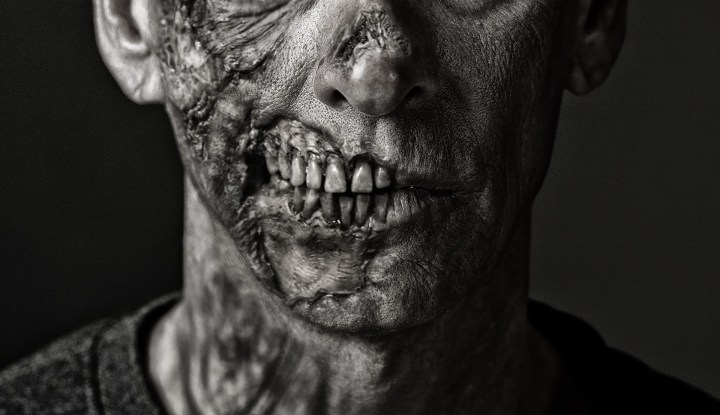
Some researchers and folklorists have linked zombie myths to mold spores, neurotoxins, and parasitic fungi that can manipulate their hosts, not unlike what happens in nature. The Haitian zombie folklore, for example, may have originated from tetrodotoxin, a compound found in pufferfish that can induce a death-like state.
The notion of the dead returning, then, might be less about rotting corpses and more about losing one’s autonomy, being alive, but not truly living.
Vampires: Beyond Belief
Then there’s the story that never left me, one I saw years ago on Beyond Belief: Fact or Fiction. It told of a man in New York City who was struck by an ambulance. Miraculously, he got up without a single scratch. Out of concern, paramedics brought him to the hospital. But soon after, he was discovered in the blood bank, drinking from blood bags.
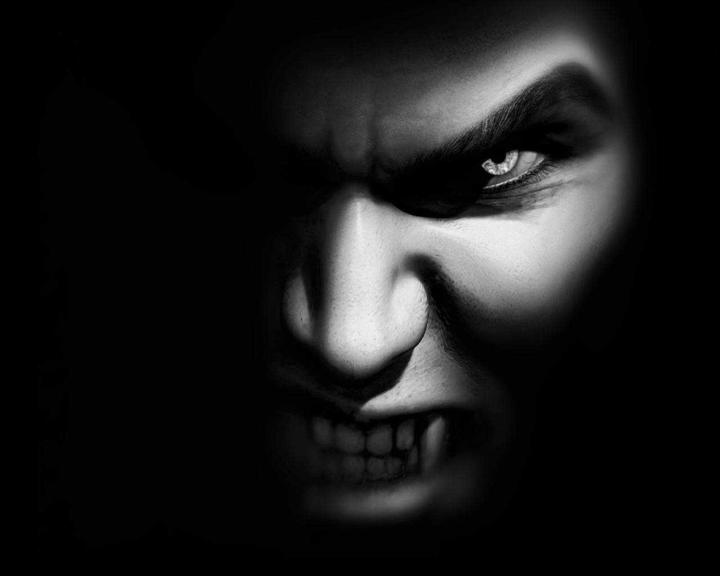
When confronted, he jumped through a third-story window, and vanished into the night. Investigators never found him. The twist? The episode labeled the story as Fact, based on a real police report.
Even if embellished, the idea lingers: perhaps some myths don’t come from imagination at all, but from fragments of truth we’d rather not face.
Why I Still Believe
Over the years, my fascination with the paranormal hasn’t faded, it’s evolved. I’ve learned that folklore, myth, and superstition are all mirrors of humanity.
Whether it’s a werewolf confession under torture, a healer branded as a witch, or a zombie explained by science, these stories speak to something primal in us: our fear of the unknown and our desperate need to explain it.
The paranormal might not be as far-fetched as society claims. Sometimes, it’s closer than we think, hiding in history, in science, or perhaps even in plain sight.
A Halloween Reflection
Halloween isn’t just about candy, costumes, and horror marathons. At its core, it’s about the turning of the seasons, when the world grows quieter, the air sharpens, and the veil between the living and the dead thins. It’s an invitation to remember, to explore, and maybe, to believe just a little more in what we cannot see.
This Halloween, maybe look beyond the masks and decorations. Maybe give the paranormal a chance. After all, the world could use a little more mystery and a little less grey.
 Gothic Bite Magazine