
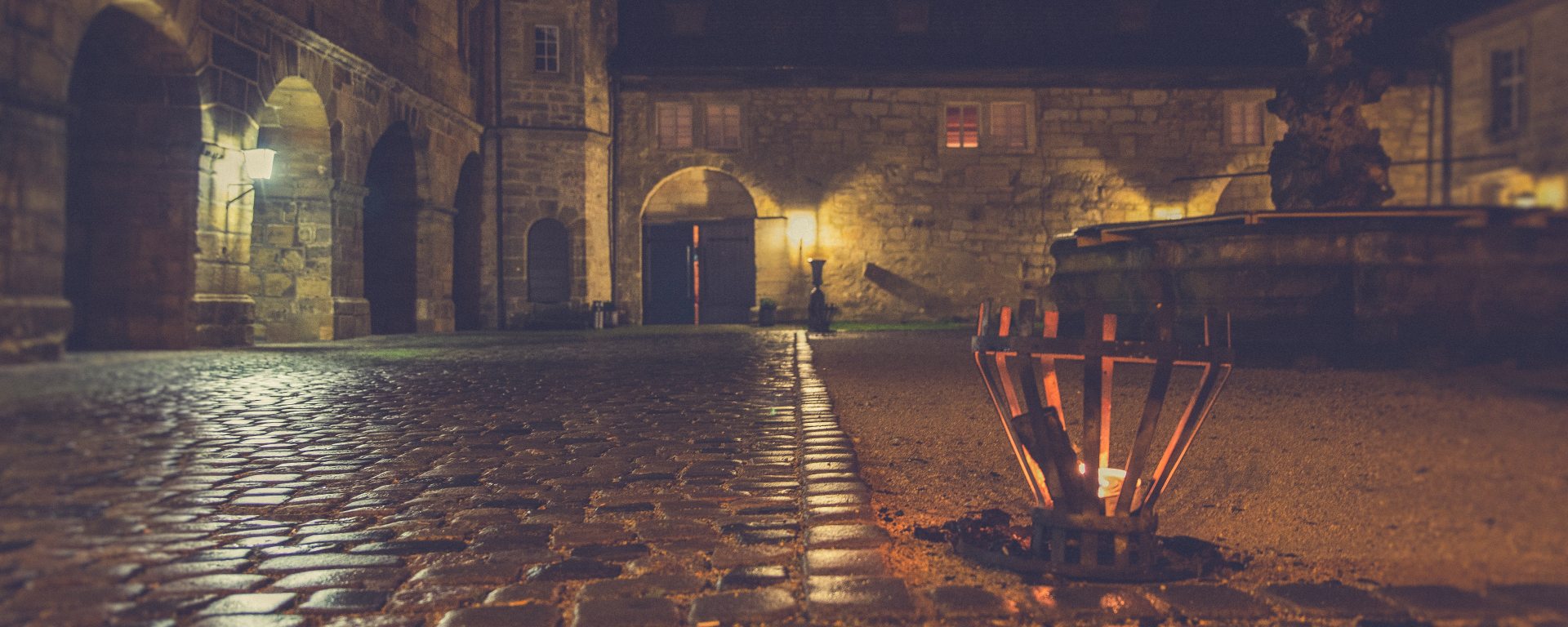
In the shadowed corridors of medieval castles and the crumbling walls of forgotten abbeys, the silent screams of the forsaken linger. Immurement—the act of sealing a person within a wall, crypt, or underground chamber—was one of the most horrifying fates to befall the condemned.
A living tomb, a slow descent into madness, and a fate worse than death itself. It was not simply an execution; it was the ultimate abandonment, a punishment that blurred the line between justice and sheer cruelty.
Origins of Immurement: A Dark History
The roots of immurement stretch back into antiquity. The practice appears in early civilizations such as Mesopotamia and ancient Rome, often linked to religious rituals or divine offerings.
However, it reached its sinister peak in the Middle Ages, when it became a form of judicial punishment, execution, and even ritualistic sacrifice.
Monasteries, castles, and city walls bore silent witnesses to these human sacrifices. Some victims were criminals, punished for their sins; others were political enemies, silenced to prevent rebellion.
The most chilling cases, however, were those of nuns and maidens, condemned for breaking vows of chastity, and architects who were allegedly entombed alive within their own structures as offerings to ensure a building’s longevity.
Why Immurement? The Reasons Behind the Horror
- Religious Penalty: The Church sometimes condemned wayward nuns to immurement for breaking their vows. Cloistered within monastery walls, they faced a slow death by starvation or suffocation, their only company the whisper of their own prayers.
- Architectural Superstition: Legends tell of builders who immured humans—often children or virgins—within the foundations of castles and bridges to ensure their strength. The eerie belief was that a “soul sacrifice” would prevent a structure from collapsing.
- Political Execution: Royalty and noble families used immurement to eliminate rivals discreetly. A slow, hidden death ensured no martyrdom, no grave to visit—only forgotten bones behind a wall.
- Punishment for Adultery and Heresy: Adulterous wives, treacherous advisors, and heretics were sometimes subjected to this fate, left to waste away behind stone and mortar.
The Torture of Time: What It Was Like to Be Immured Alive
Imagine the cold embrace of stone, the air growing heavier as your body weakens. The darkness is eternal—no stars, no flickering candlelight, just blackness pressing against your eyelids. There’s no difference between keeping your eyes opened or closed.

The walls become your coffin, your own breathing the only sound until hunger and madness set in. Nobody is coming for you and you are aware of that fact. You become aware of your own mortality.
Some were left with a small opening for air, prolonging their torment. Others were sealed completely, lost to time until their bones were uncovered centuries later, their hands still clawing at the walls in a desperate attempt to escape.
Legends and Myths of Immurement
Throughout history, tales of immurement have permeated folklore, becoming the stuff of nightmares:
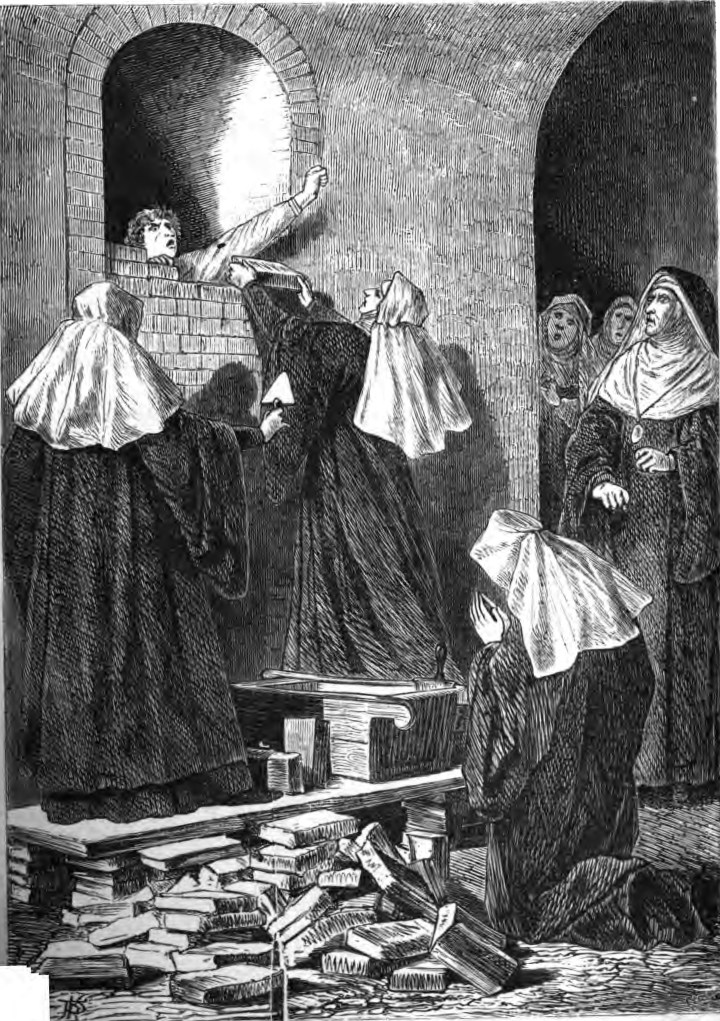
- The Walled-Up Nun: In various European legends, a nun who broke her vows was bricked up alive within her convent’s walls. Her ghost is said to roam the halls, weeping in eternal repentance.
- *The Master Builder’s Curse: The legend of the Monastery of Curtea de Argeș in Romania tells of a master builder who made a pact with dark forces. To ensure his monastery’s completion, he was forced to immure his own wife within its walls. Her wails are said to still be heard on stormy nights.
- The Black Bride of the Tower: In medieval Germany, a noblewoman accused of treason was bricked into a tower room. Years later, her skeletal remains were found, her fingers worn down to the bone from clawing at the walls.
Unearthed Horrors: Real-Life Cases of Immurement
History has recorded several shocking discoveries of immured remains:
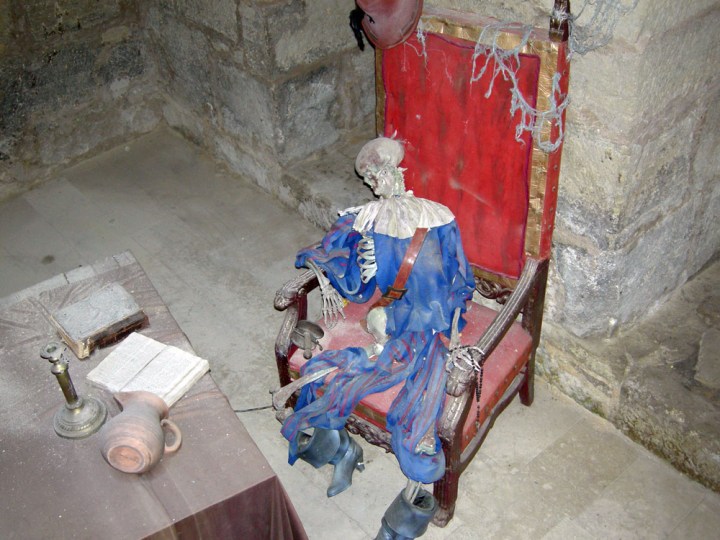
- In 1912, workers restoring an old Romanian monastery uncovered a human skeleton within the walls, believed to be an immured sacrifice from the 16th century.
- The 17th-century English castle, St. Briavels, revealed a bricked-up skeleton, thought to be that of a heretic imprisoned and left to perish.
- In the 1800s, restorers of an Italian convent found the remains of a woman walled inside a cell, still clutching a rosary in her bony fingers.
The Gothic Legacy of Immurement
The horror of immurement has long fascinated gothic literature and horror enthusiasts. Edgar Allan Poe’s “The Cask of Amontillado” captures the terror of being bricked up alive, while echoes of immurement linger in gothic castles, vampire lore, and ghostly folklore.
Even today, stories of hidden skeletons found in ancient walls spark unease. What other secrets lie buried within the stone hearts of medieval ruins? What other screams went unheard, sealed away in tombs of cold, merciless stone?
The Eastern European Poetry Of Immurement And Superstitions
The folklore surrounding immurement in Eastern European construction projects, as illustrated by the legends of Rozafa, The Building of Skadar, and Meşterul Manole, carries a complex and disturbing moral message rooted in the beliefs and anxieties of the time.
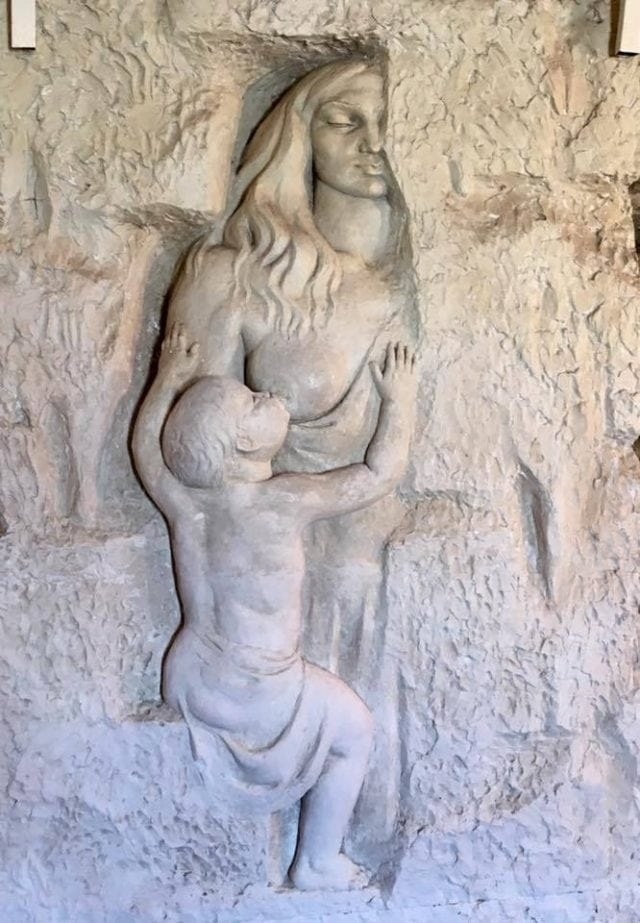
- Sacrifice and Completion:
- The central moral revolves around the idea that a significant sacrifice is necessary to ensure the stability and longevity of a major construction project. This belief reflects a pre-modern worldview where supernatural forces were believed to influence the physical world.
- The immurement of a human being, often a wife, was seen as a way to appease these forces and imbue the structure with a “foundation sacrifice.”
- Fate and Inevitability:
- The stories often highlight a sense of fatalism, where the chosen victim is resigned to their fate. This acceptance, although tragic, underscores the belief that certain events are predetermined and unavoidable.
- Patriarchal Power and Female Subordination:
- There are strong elements of misogyny in these tales. The wives are chosen and sacrificed, highlighting their lack of agency and their status as property within a patriarchal society.
- The fact that it is often the wife who is immured emphasizes the devaluation of women’s lives and their perceived role as objects of sacrifice.
- Artistic Creation and Destruction:
- The Meşterul Manole legend, in particular, explores the destructive nature of artistic creation. The pursuit of perfection and beauty comes at a terrible human cost.
- The ruler is so worried about someone creating a better project, he kills his builders. This shows the ruler’s over-bearing need for control.
- Symbolic Shadow vs. Physical Death:
- Later versions of the stories, where the victim’s “shadow” is immured instead of their physical body, suggest a softening of the original brutal narrative.
- This shift may reflect a growing unease with the idea of human sacrifice, or an attempt to reconcile the horrific act with a sense of moral sensibility. But even then it results in the death of the woman.
- The Takeaway:
- These tales are not meant to be taken literally, but rather as symbolic representations of the anxieties and beliefs of the time. They serve as cautionary tales, highlighting the dangers of hubris, the power of fate, and the potential for cruelty within human nature.
- They are also a look into the dark history of the people that told the stories, and a way to understand the past.
In essence, these folklore narratives offer a glimpse into a world where sacrifice, fate, and patriarchal power held sway, and where the line between the natural and supernatural was often blurred.
 Gothic Bite Magazine
2 thoughts on “Buried Alive: The Gothic Horror of Immurement in Medieval Times”