

When we think about impalement, we don’t necessarily associate it with bodies, or do we? Because of Vlad the Impaler, we know that at least one person used it obsessively, but what if I told you it is much older than Vlad?
How Old Is The Practice Of Impalement?
The history of impalement is torturous. It is an excruciating and irreversible method of execution. The classical practice consists of the penetration of a human body through a bottom orifice by an inanimate object such as a stake, pole, spear, or hook. The completion of the torture follows with the perforation at the other end of the object through the torso.
Impalement was often the sentence for crimes against the ‘state’ throughout numerous civilizations. It was a capital punishment reserved for horrid crimes of the time or era. However, death through impalement, due to its horrifying scenery, was also employed to implement fear and suppress the desire for rebellion against a leader.
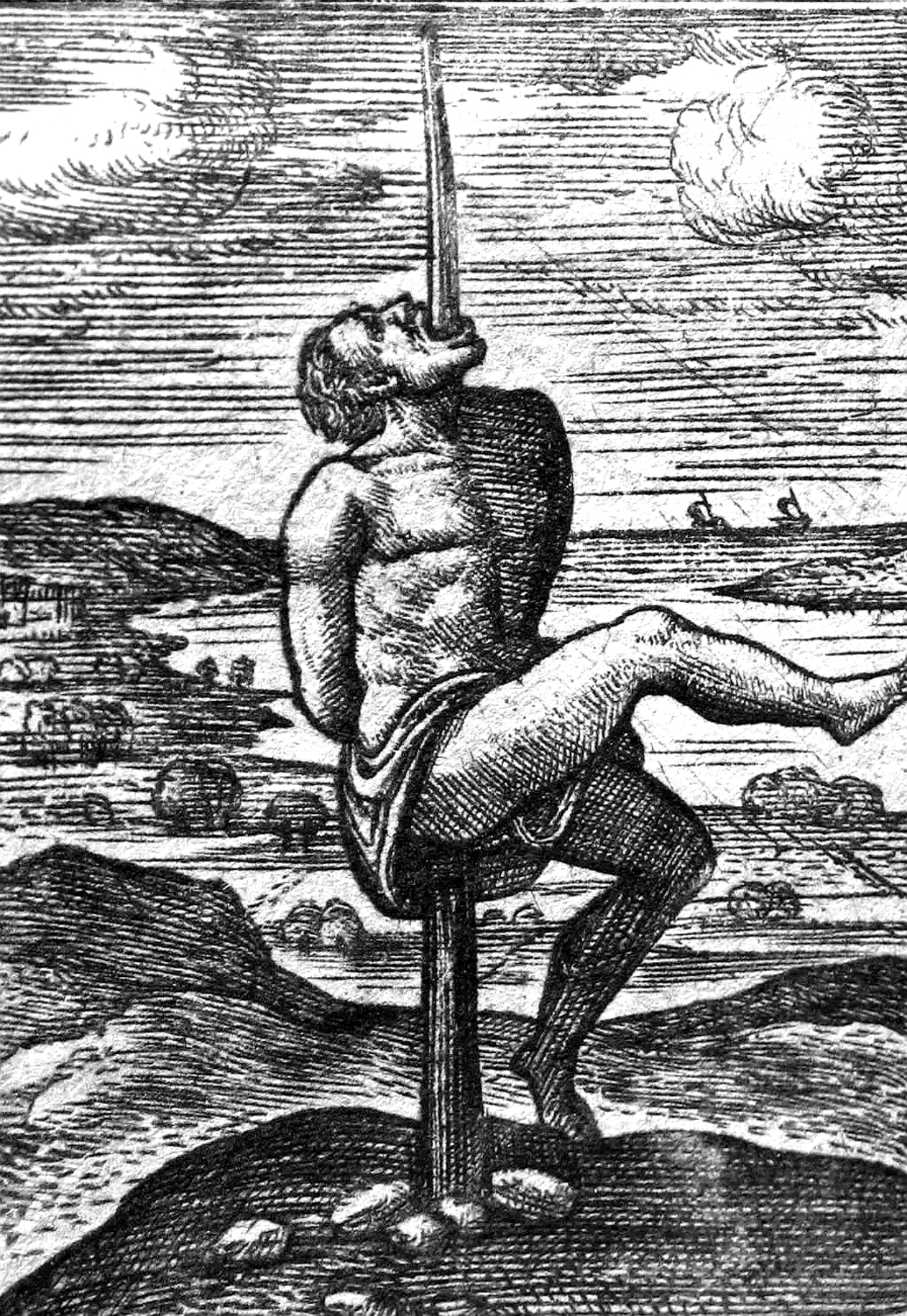
Other instances inspired the use of impalement, which was sometimes reserved for traitors, manipulators, and infiltrators. Another use of the punishment was for violations of military discipline. The employment of such a tool of death wasn’t only for the victim but for the show.
Crimes that resulted in impalement as punishment were often related to trade routes that didn’t ensure safe passage and the violation of a state’s policies. Impalement would also creep its way into sexual crimes or because of religious reasons. The oldest documentation regarding impalement goes back to Babylonia and the Neo-Assyrian Empire, as old as the eighteenth century BC.
Is Impalement Only Vertical?
Impalement is a death torture tool that can be performed anywhere on a body, including horizontally from front to back, i.e., chest to back.
In Central or Eastern Europe, impalement through the heart would occur in the specific case of infanticide. If a woman would murder her infant, there would be an open grave, and stakes would be hammered through the heart, as they believed it to be the result of witchcraft.
In seventeenth-century Košice, in present-day Slovakia, a woman was accused of infanticide and condemned to die. Alive, the woman was in a one-and-a-half ell—European measurement—deep grave with hands and feet nailed. A thorn bush was on her face, and a wooden stave marked the placement of the heart.
While dirt covered the woman, the head remained free to ensure she would survive the torture. The executioner then proceeded with tongs to remove a red-hot iron rod from the fire and place it beside the wooden stave. The rod is hammered in while a gutter is dug in line with the woman’s head to hear the lamentations.
How Long Can A Person Survive Impalement?
Understanding that impalement evolved from ancient times to the Middle Ages is essential. Impalement was used to show what could happen if one did not follow the state’s or religion’s policies.
Methods to elongate the survival of someone impaled varied for the longest time throughout civilization. Impalement is tricky when it comes to ensuring the survival of a person going through agony. Many factors become involved, from mental breakage to perforations of vital organs. It is possible for the brain to “shut down,” and the person will be “brain dead” or the stake pierced right through the heart, puncturing its exit.
Impalement could last from a few minutes to a few hours to a few days or more. The Dutch at Batavia perfected the art of impalement down to the length of time. There is some documentation supporting that a person lasted for the sum of eight days on a stake.
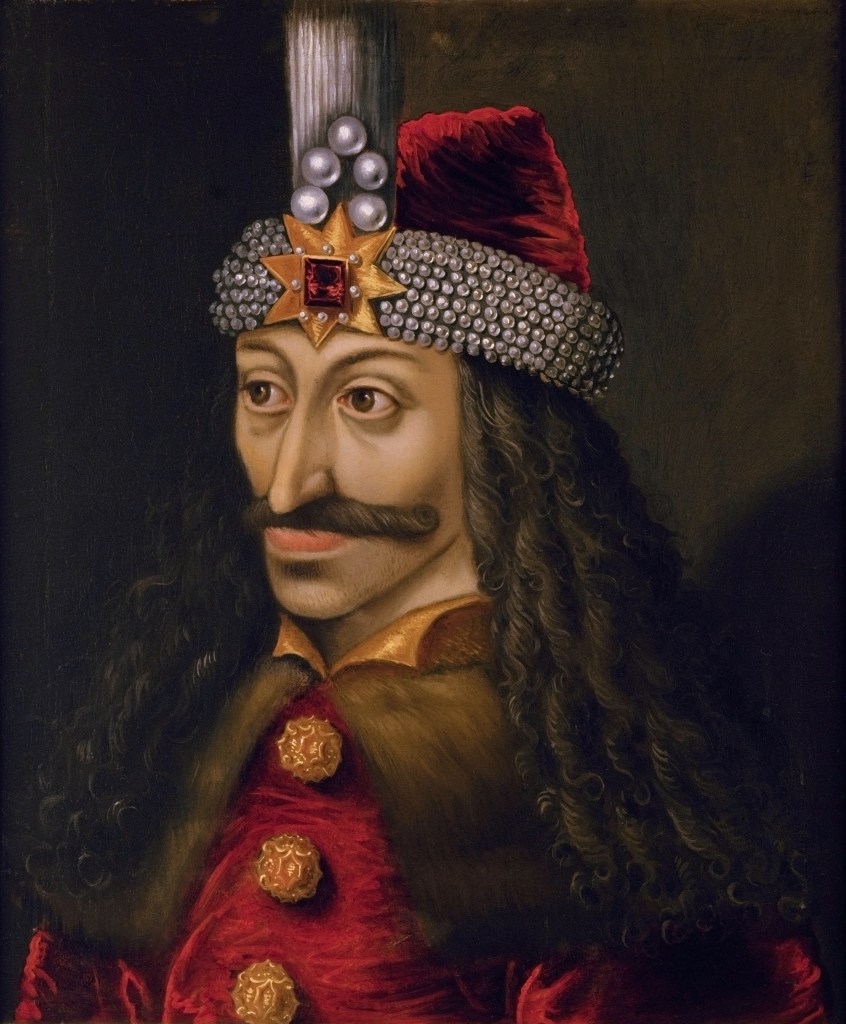
Of course, Vlad the Impaler also helped the cause. He learned of impalement while a royal captive at Tokat in Turkey, and his mentors learned it from the German Saxons. Vlad III wasn’t fond of the Saxons, and coincidentally, impalement became his punishment of choice.
The success of impalement depends on how the stake inserts a person. Vlad helped perfect the art of impalement by avoiding the puncture of organs, resulting in a quicker death. Vlad wanted criminals to suffer. Therefore, he would do the procedure by following the spine and have the people survive for days.
Medieval Europe Practiced Impalement More Than You Think
During the thirteenth and fourteenth centuries, Europe used impalement as a matter of capital punishment. While we know about infanticide, impalement also extended to robbery, adultery and rape of virgins and children.
Other than Vlad the Impaler, impaling people accused of a series of crimes is not that sparse. What is shocking isn’t the stake through the body but how those people “confessed” to their crimes, resulting in impalement.
On March 1st, 1570, in the present-day Czech Republic, a man named Pavel Vašanský confessed to one-hundred-and-twenty-four murders. In a pamphlet, the information concerning the manner of confession and the capture is lacking. There also was no record of what the torture for the extraction of the truth was.
A simple capital punishment wasn’t enough, nor was the impaling. Instead, Pavel Vašanský had his limbs cut off, followed by his nipples with a glowing pair of pincers. The man was flayed alive to then go through with impalement as he was burned while breathing, with what little life he had left.
Vlad The Impaler Wasn’t The Only Torture Master
While Pavel Vašanský was only one victim out of many who wrongfully suffered through impalement, numerous historical accounts support the usage of that punishment. All documents are more gruesome than the last.
Impalement occurred long before Vlad the Impaler came into play and continued long after his death through the Renaissance and Reformation periods. While many countries tried to have Vlad forever branded as a tyrant, the reading of people condemned to impalement through places other than Wallachia is disturbing.
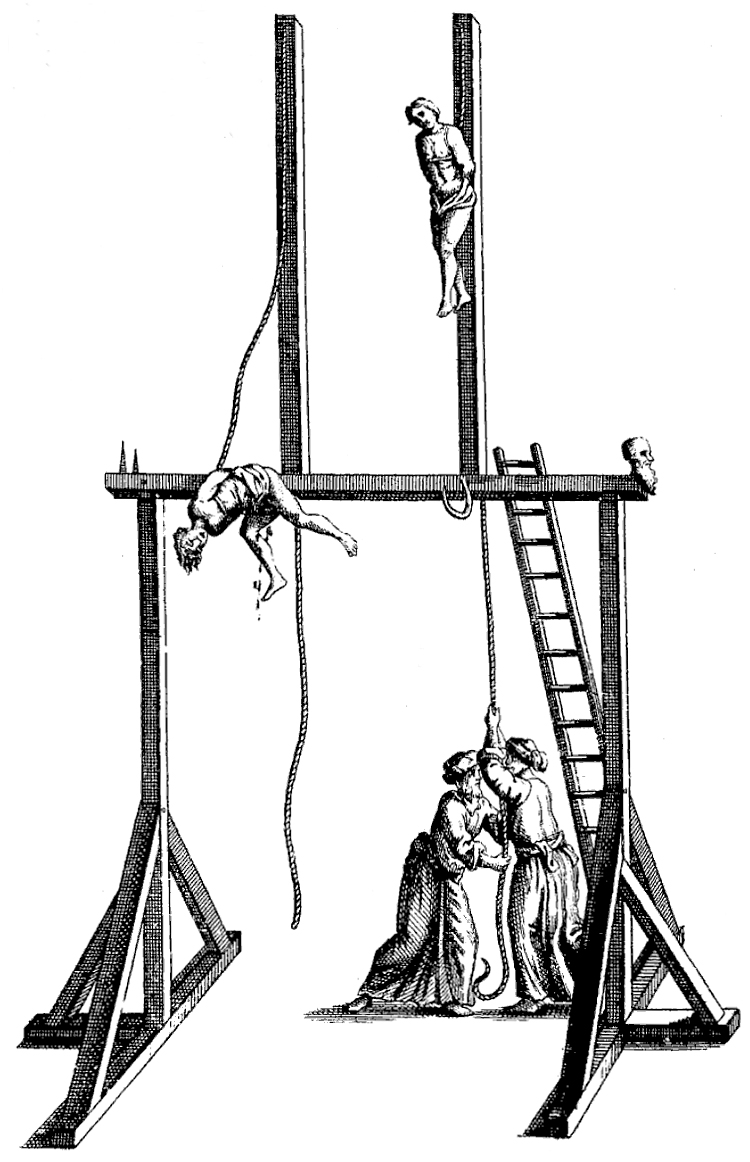
Impalement often was the last punishment in a European Medieval, Renaissance or Reformation court. By that, I mean it followed other means of torture. The act of impaling could be done in many ways, and so it was, from one orifice to the torso, chest to back, through the ribs by a hook, among other means.
I guess what I’m trying to say here is that while Vlad the Impaler carried the name of the torture, Europe adopted it first and used Vlad’s perfection to find a way to make it even worse. The history of impalement started in ancient times and lasted until not long ago. It’s enough to have someone think, are the old ways always the best?
 Gothic Bite Magazine