
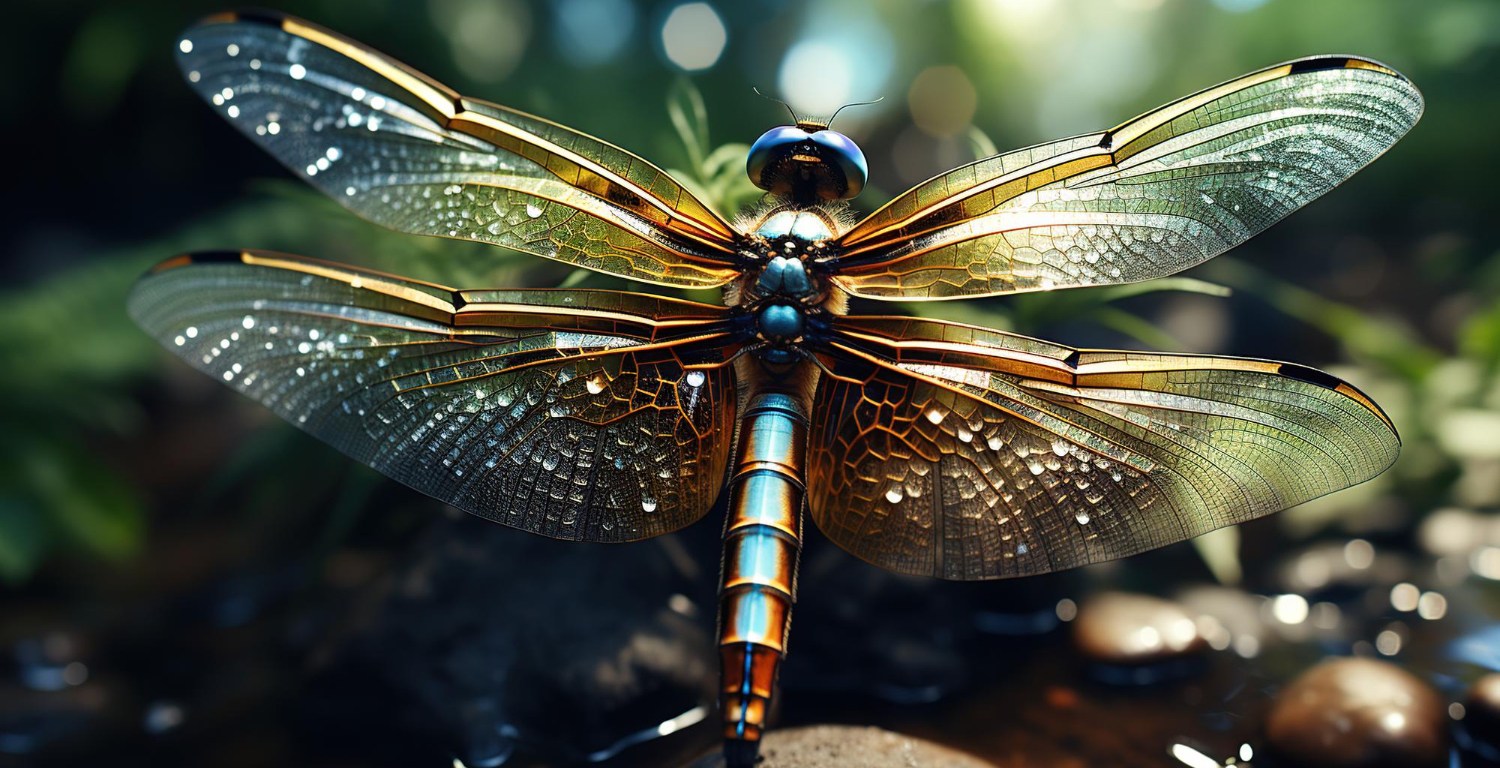
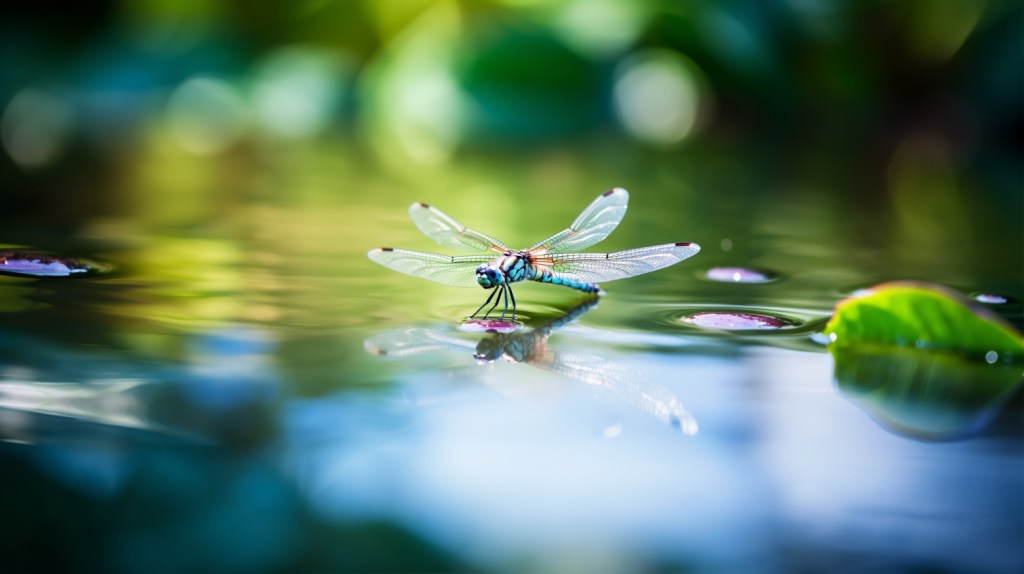
When thinking about fairies, we often lean toward the little, tiny female entities with charming laughs and small dragonfly types of wings. But what is a fairy, really?
What does Fay Mean And Where Does It Come From?
The word fay saw the light of day in the early Dark Ages. Its spelling varies from fae, fay, fey, and fairy, which all mean the same. We can also see lesser-known variations such as faerie, fairie, fayrye, and feirie.
However, the spelling faerie, adopted in Middle English, later became the word fairy. The word means “enchanted” or anything related to charm. The word itself, borrowed from Old French faerie, came from the same meaning, “realm of the fays.”
Despite different spellings, the word has loosely different meanings. For Scotland, the word meant “illusion,” the ending ‘erie’ referring to a place such as a witchery or knavery. From historical references, particularly in Arabic, “feti” travelled to France to become fairy.
The word even goes back to Ancient Egypt, where fays were similar to the patronesses of childbirth. However, it constantly circles back to France, derived from a modest Latin word of fata, where fays had a prominent place in their folklore.
It is a description of the land of enchantment or fay land. In Old French, the meaning can even relate to guardians.
The Fays From Around The World
It is quite challenging to pinpoint where fays come from because, in many cultures, folk tales are told from person to person. By its etymology, we can assume it has been in many ancient civilizations.

One of the most significant mythologies attached to the legend of fays comes from the Celts. It encompasses the Bretons and Welsh people. The fays even had a place with the Gaelic people, which includes Ireland and Scotland. It also worked its way to Germany and medieval France.
Northern Europe and Scandinavians have many fay stories or creatures resembling those enchanted people. The revival of the popularity of fays is related to the growing paganism movement, working its way back to people who believe they have lost a part of their heritage due to colonization.
The Sad Extinction Of The Fay People
When Catholicism took over most of Europe, pagans and Celts had to leave their beliefs behind by force. However, many creatures found their way back into Catholicism through other meanings. For example, Yule became Christmas by moving it just a few days after the solstice. The same happened with fays.
In King James’ demonology, fairies are demonic illusions. They are associated with witchery. In the Middle Ages, they became synonyms for evil. It even went as far as claiming that fairies were demoted angels among Christians.
However, in England’s nineteenth century, a new light shone upon fays associated with solar angels. Those fays would help nature grow healthy in their light. Fays were then often associated with butterflies.
The wildest theory about fays would be that they are memories that materialized of prehistorical people who lived among more advanced humans. One theory suggests that the cannibalism of ogres refers to humans eating fairies.
It would also explain strange underground cities found and why we imagine fays wearing brown and green clothing as camouflage to protect themselves from villainous humans.
What Is The Fay People, Folklore Or Magick?
When researching the creature, I found that no matter what you read, it goes back to one thing: they believed fays were mischievous. Many legends depict the fay people as one that either was kind, with a side of a prankster or entirely cruel and would hurt humans for pleasure.
I had to do more research and understand why such behaviour would be part of the fays, and what I found surprised me. There was this belief that some fays would replace human babies with their own to allow them to grow in a better environment than their own. Usually, the term would be a ‘changeling.’ That invites the idea that not all fays were small in size.
One thing is for sure! After much research, fays are introverts and do not want to interact with humans. They prefer seclusion without exterior disturbance. They are uncomfortable with the idea of communicating with humans, which supports the wild theory of race that once existed.
The Fays of Today Are Real Or Humans?
Now that fays are gaining more popularity by the day, I believe their mischievous side subsided, and they are now kind and peaceful. Introverted and shy, they represent natural guardians and pleasant times.
Fairies now influence festivals and gather people in extraordinary harmony to celebrate their name and provenance from old times. They are often perceived as romantic and inspiring. Little creatures lost in old Celtic and Norse beliefs now surface and are coming back with impressive creative festivals and magazines.
Is Believing a Synonym Of Seeing?
I have grown to believe that I make my magic, and you know what? Seeing those little lights outside my bedroom window, I tell my husband, “Look, fairies have come to visit.”
Fays might have an elusive origin, but I’m sure deep down inside that they are amazing people who might have existed, and maybe, somehow, some of us still carry out our genes. Who knows? I find it comforting to believe.
 Gothic Bite Magazine
The beauty of fays is millennia old and we almost completely lost it to conversions. Folklores and legends continue at GBM next week!
LikeLike