
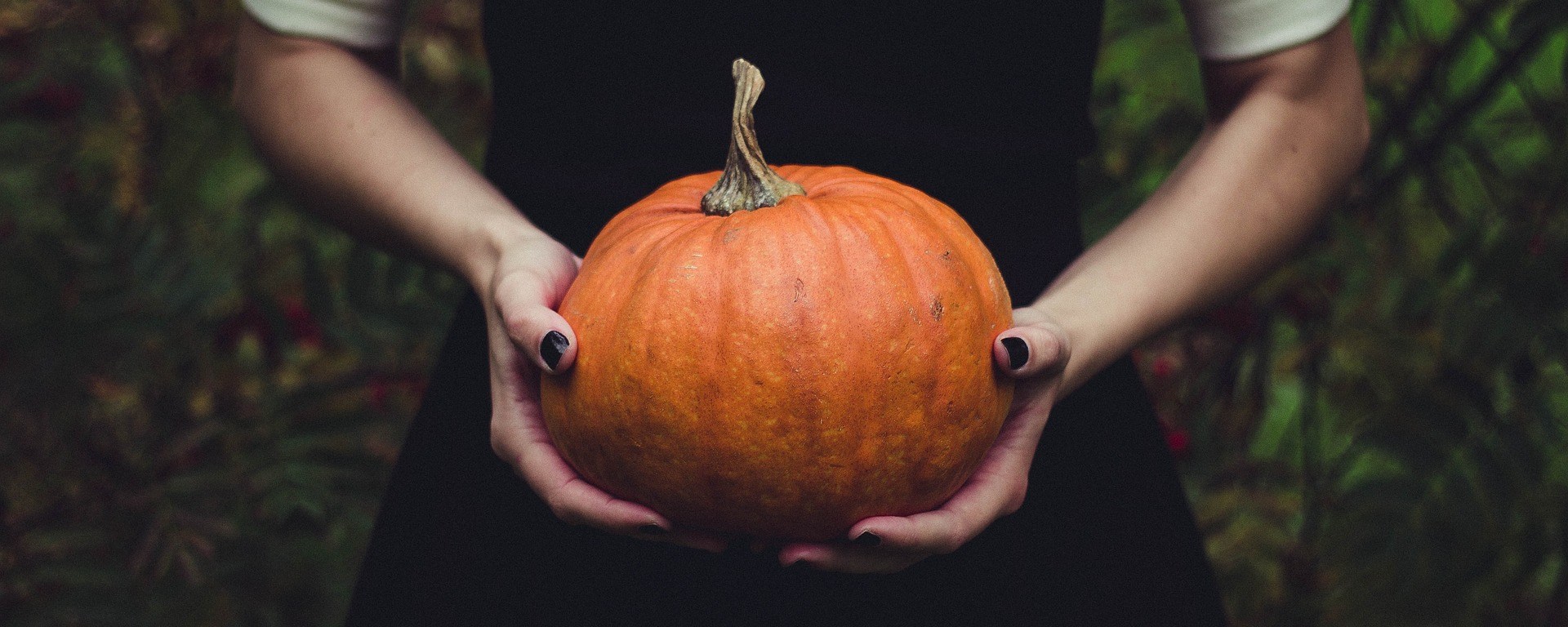
Pagans, witches and goths alike were all Hollywoodified and categorized as people who sacrifice for rituals and speak to the devil. Halloween is no exception to the rule. So, what is Halloween?
The Horrible Reality That We Live In
When scrolling around on social media, I came across one person who said she posted a picture of herself in a Halloween costume. Nothing alarming, but then she mentioned Christians trying to tell her that Halloween is a day of sacrifices for Pagans and witches.
I don’t take well to people who spread wrong information. That is because I know how much damage it could cause. The truth and solid facts are important because they can hurt a group of people or anything that isn’t responsible for the lies being spread.
Some people do not discern between entertainment and reality. What Hollywood did to Pagans, witches, and gothic people is giving us all a horrifying reputation and one we must fight against every day of our lives. We are not what cinema and TV tell you we are.
Pagans, witches and Gothic people go far back into the past. That is why it’s essential to research accredited websites and books. Find the truth. Do not let Hollywood tell you who and what we are. Makeup you’re on mind according to trustworthy sources.
The Overall Meaning Of Halloween
Halloween is a holiday that comes from the ancient festival of Samhain, celebrated by Celtic people. Samhain is a Gaelic word pronounced ‘SAH-win.’ The festival’s purpose was to be a last thankful gesture for the previous Fall harvest.
Halloween, Hallowe’en, Allhalloween, All Hallow’s Eve are all depictions of the same celebration. It would occur on October 31st, influenced by Samhain, a traditional harvest festival. However, to keep the malevolent spirits away, they would dress up for the occasion.
However, some people believe that Halloween itself isn’t Samhain and, instead, because it coincides with Allhallowtide, a time dedicated to praying for the dead, it has Christian roots. But the Celtic practice goes further back, and we are often reminded that the early Church’s holidays were created to abolish those of Pagan origins.
What we know of Halloween is that, logically, with how we celebrate it, most of its customs come from the Samhain festival. Celebrated in Scotland and Ireland, when people native to those lands crossed the ocean to North America, they brought their traditions, which became the modern Halloween we know.
The Roots Of The Halloween Festivities With Celts
The Samhain festival served to mark the end of the harvest season in the Fall. It also signified the beginning of Winter or the ‘darker half.’ It was a way to remind everyone that the boundary between our world and the Otherworld was at its thinnest. In other words, spirits and fairies could easily cross to our side and be active.
Because of the early Church’s influence, it became All Saints Day, where people would attend Church and have sessions of prayer. They prayed for those who passed, saints, martyrs, etc. It was a time to let go of the foolishness of believing in many deities to only recognize one.
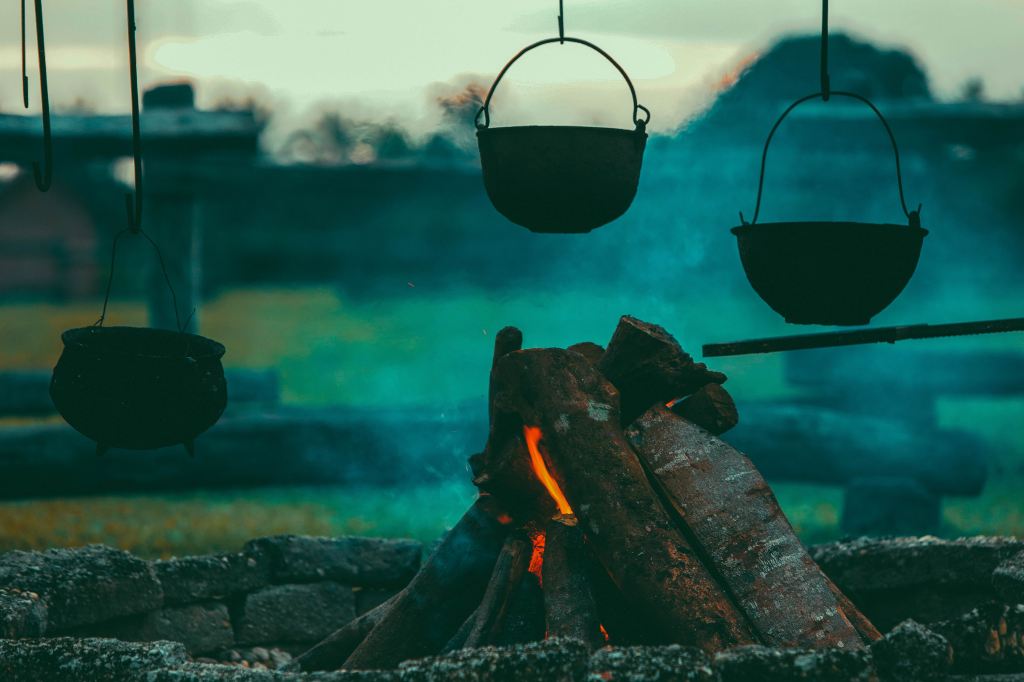
But for those who still practiced the old ways, bonfires and dressing up were part of the festivities to keep the malevolent spirits at bay. Offerings of food and drink, some portion crops would be left outside to ensure the community’s survival. They would also welcome those who passed and desired to visit their family.
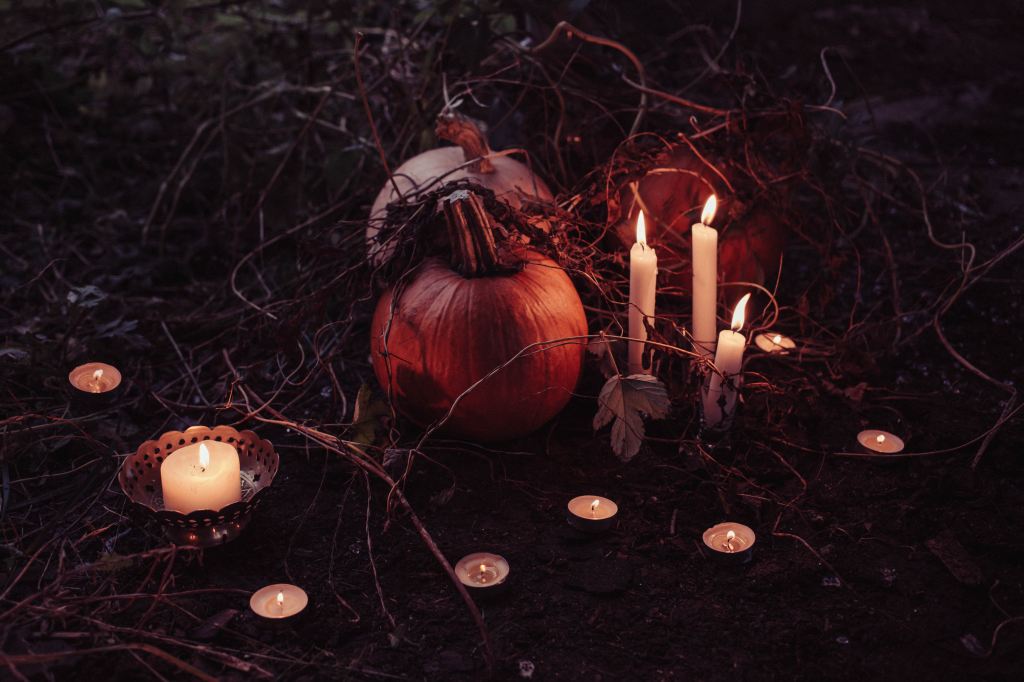
A tradition was always making a place at the table for those who joined the Otherworld. They would also leave a space near the fire for them to enjoy. That one night of the year was necessary for those who left to feel loved and welcomed. It would be followed with games, celebrations, and fun.
But Where Did The Paranormal And Horror Come Into Play?
In the Celtic regions, including Ireland and Britain, tradition included divination games that would reveal someone’s future. It would focus on death and marriage and foretell those events.
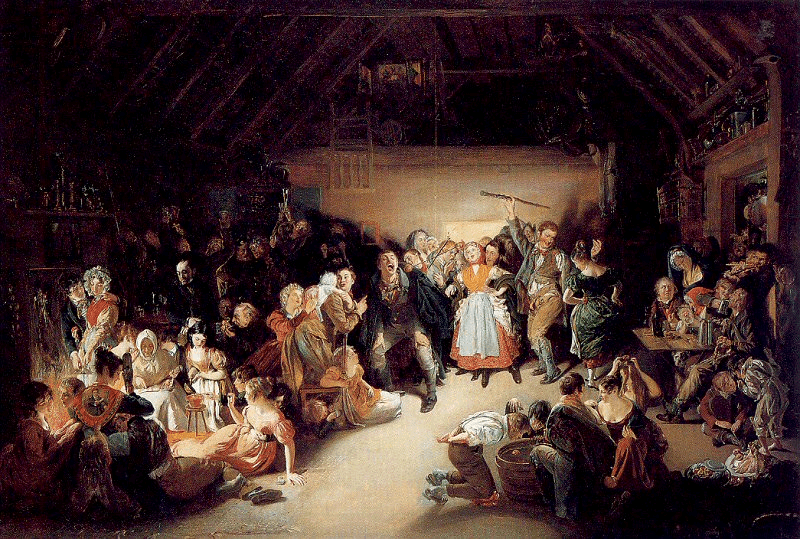
Activities and games would often use apples and nuts, which made apple bobbing possible. Roasting nuts was also something that was done. Those activities were used in a fortune-telling way. Some would scry with mirrors, or they would read by pouring molten lead or egg whites into water.
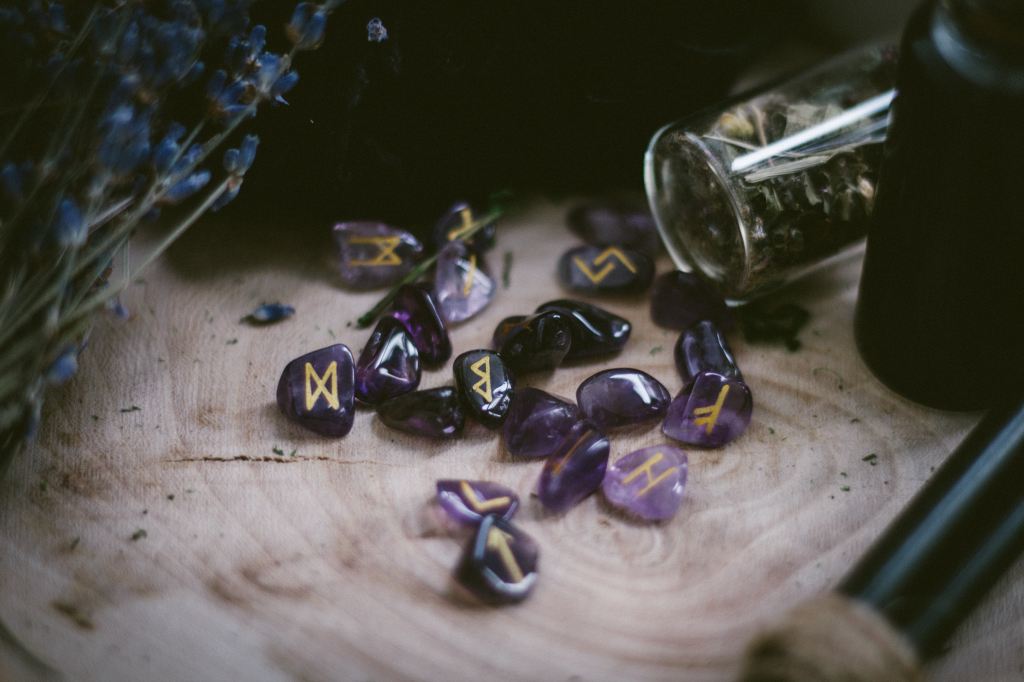
There also were activities for dream interpretation. The tradition of reading runes or cards. Bonfires had a reason to be lit. Their flames, smoke and ashes would protect the people and cleanse the landmark. People would light torches from the flame of bonfires and light their homes sunwise to create a field of protection.
The fire was a mimic of the sun and carried its goodness. It was sympathetic magic and, therefore, held back the darkness of Winter. They could use fire for divination and keep evil at bay. Sadly, in Scotland, fire divination was banned by the Church. In Wales, they also used fire to protect the people. But the Church said it was only to repel the devil.
What About The Trick Or Treat Of Halloween?
The Samhain festival persisted in some places, and despite disguising itself to please the Church, it kept its Pagan roots. In the late medieval years, it included mumming, a group of all-male amateur actors re-enacting plays. They would go door to door on holidays to perform.
Mumming was prevalent in Ireland, Scotland, the Isle of Man and Wales for the festival. They would be in costume and acting out plays, verses and songs for food. Initially, historians believe that before the influence of the Church, it would be focused on the spirits.
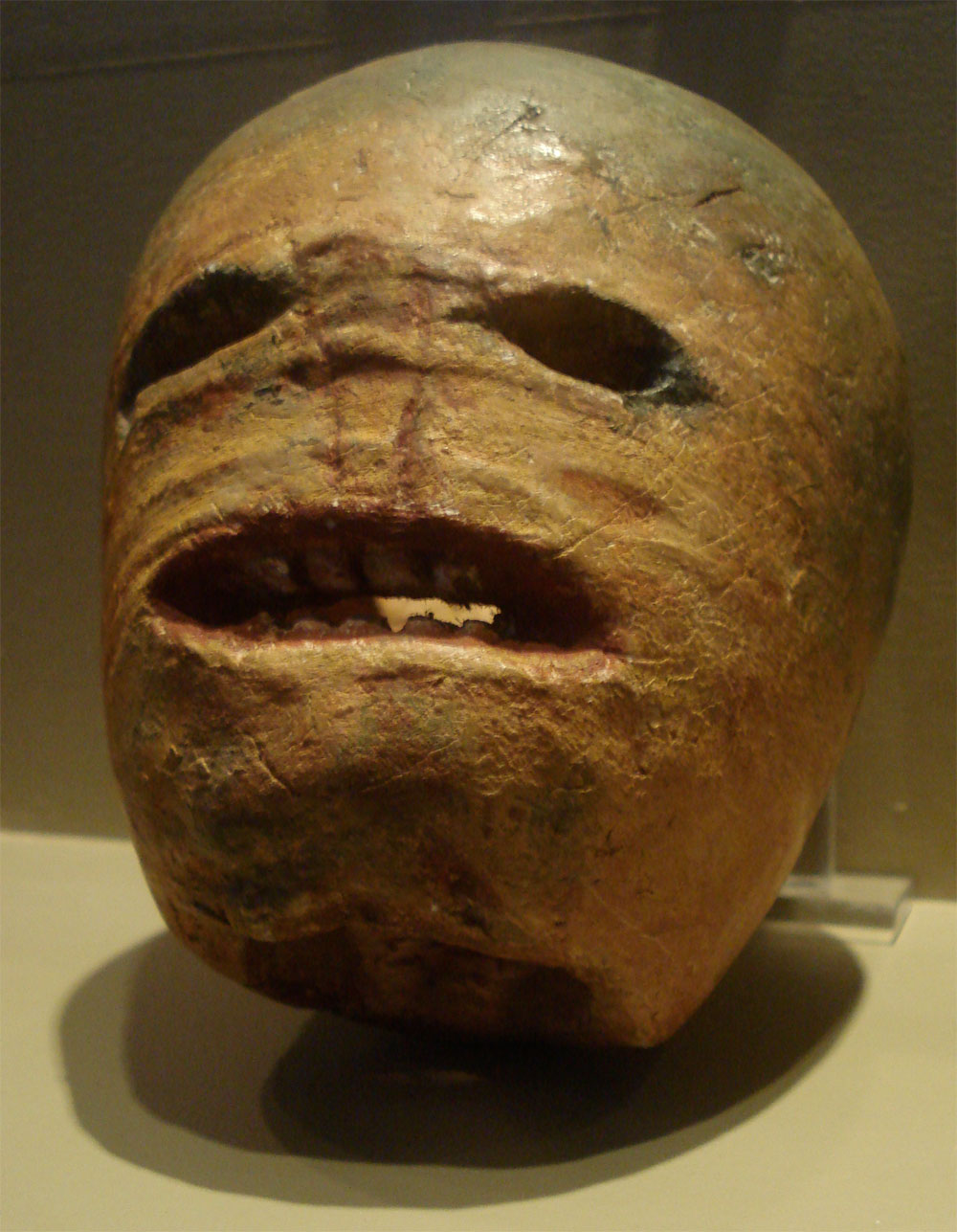
They would receive food and drinks on behalf of the dead. They would act as those who passed in costume, which was a way to protect the community. A way to ensure they would remember them. In southern Ireland, a man dressed as a white mare would lead children from house to house. Most reciting had Pagan overtones.
It was good fortune to give some food in exchange for the play. In Scotland, the children would proceed with masks or paint on their faces. They would say aloud that it was bad luck not to give them food. The faces that were darkened achieved the result with the bonfire’s ashes for protection.
The Last Words About Halloween And Its Origins
Well, there were no sacrifices in there or cannibalism, murder or bathing in the blood of the enemies. Halloween is about respect and gratitude, marking the end of a season and the beginning of another that makes the connection between our world and the Otherworld possible.
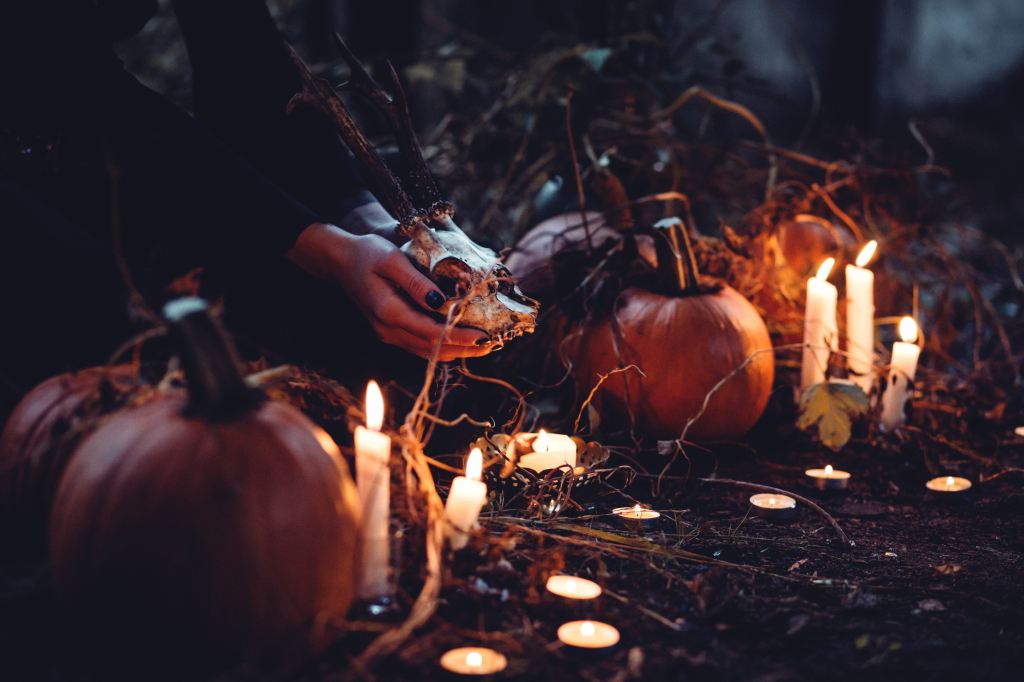
Do not believe Hollywood. It’s a place of entertainment, not facts and history. We are wonderful people with a long book of history. Centuries of lousy reputation are enough. Halloween is the last holiday capable of rivalling with Christmas. Leave it be.
Now, let’s make Halloween incredible for everyone involved: the young and the old, the in-between, the living and the dead, the undead and every familiars! Have fun and smile! Ghosts are watching!
Have a wonderful Halloween and, to all, a spooky night!
The OCD Vampire
 Gothic Bite Magazine
Halloween is more than candy, it has a history and was never that different from what we know it to be now. There’s nothing to be afraid of! 🙂
LikeLike