

From all the haunted places we come across, some of them remind us that our past isn’t as spotless as we wished. Sometimes, we must remind ourselves where we come from to avoid repeating those mistakes. The Eastern State Penitentiary in the USA is one of them.
A Pioneer Of Its Time And A Little Dark
Eastern State Penitentiary, widely recognized as the pioneering institution in the realm of penal systems, was designed to evoke remorse from its incarcerated individuals, thereby allowing them to deeply reflect upon the misdeeds that resulted in their confinement.
Considered one of the most haunted sites in the US, Eastern State was not known for its ability to rehabilitate its prisoners.

Single occupancy cells were meant to facilitate positive reflection on their actions, but this was not so. In fact, this solitary confinement had driven many of them to madness, among other things.
Echoing noise and cackling have been heard in Cellblock 12. Ghostly faces have been seen in another. Dark shadows have been known to dart along the walls. Or so visitors have said.
What The Inmates Felt And What They Went Through
The prison once held the likes of Al Capone, who was said to have been haunted by a victim of the St. Valentine‘s Day Massacre, which he ordered.
Several murders of staff and prisoners are known to have occurred on the site, as well as several suicides. Despite having a death row, not one prisoner was put to death in accordance with justice.
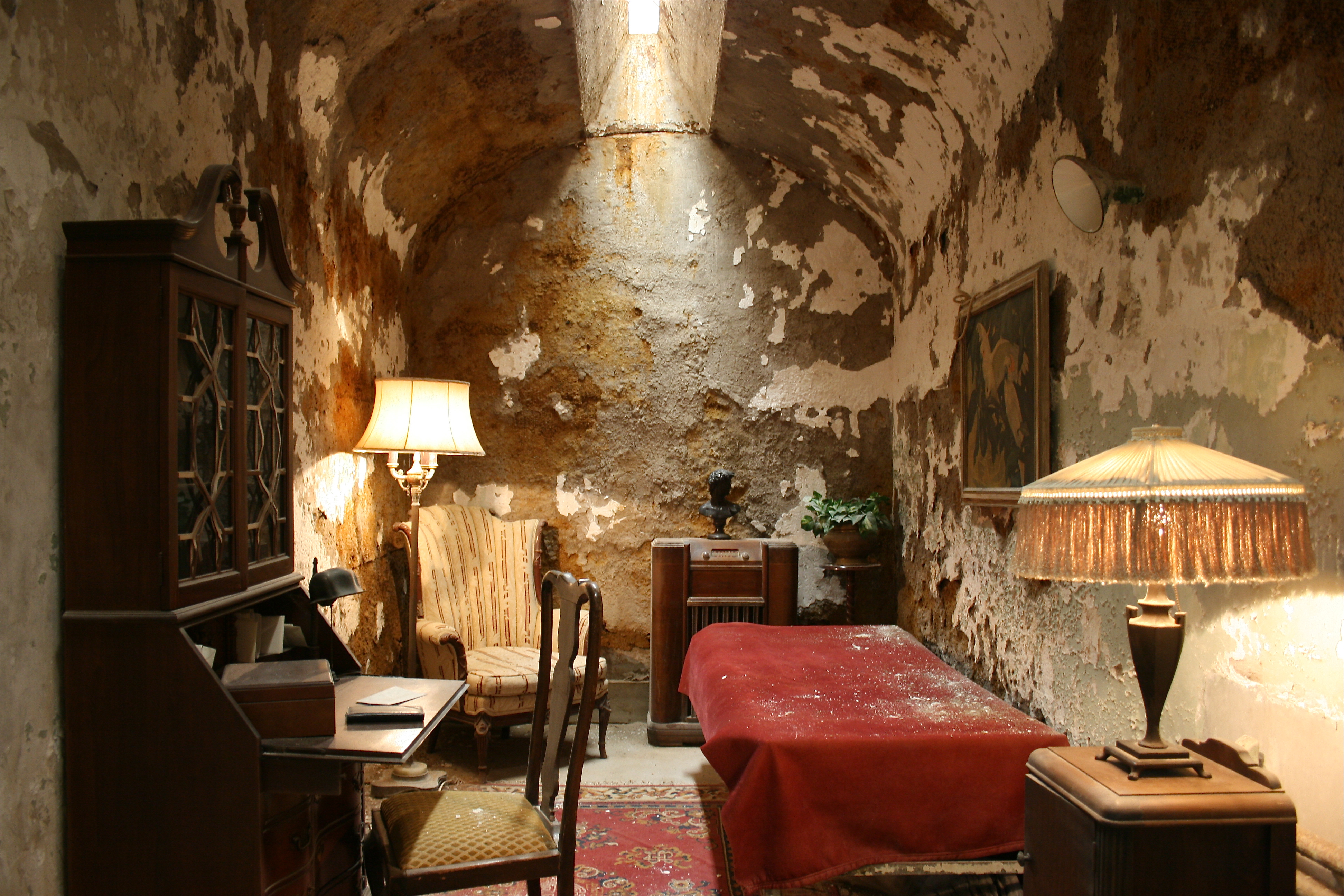
An assortment of sombre records exists, revealing the unfortunate mortalities within the correctional institution. These records encompass various tragic incidents, ranging from the horrifyingly explicit to the commonplace, including specific details such as “suicide by strangulation.”
Left alone twenty-three hours a day, prisoners were not allowed to talk, sing or even hum, whether to themselves or anyone else.
A Punishment That Is More Like Torture
The punishment for breaking this silence could land them in the iron gag: a metal clamp that attached their tongue to their wrist. Struggling in this restraint could cause the tongue to tear.
Other disciplinary actions included things like dousing prisoners in water and hanging them from the walls past the point of freezing.
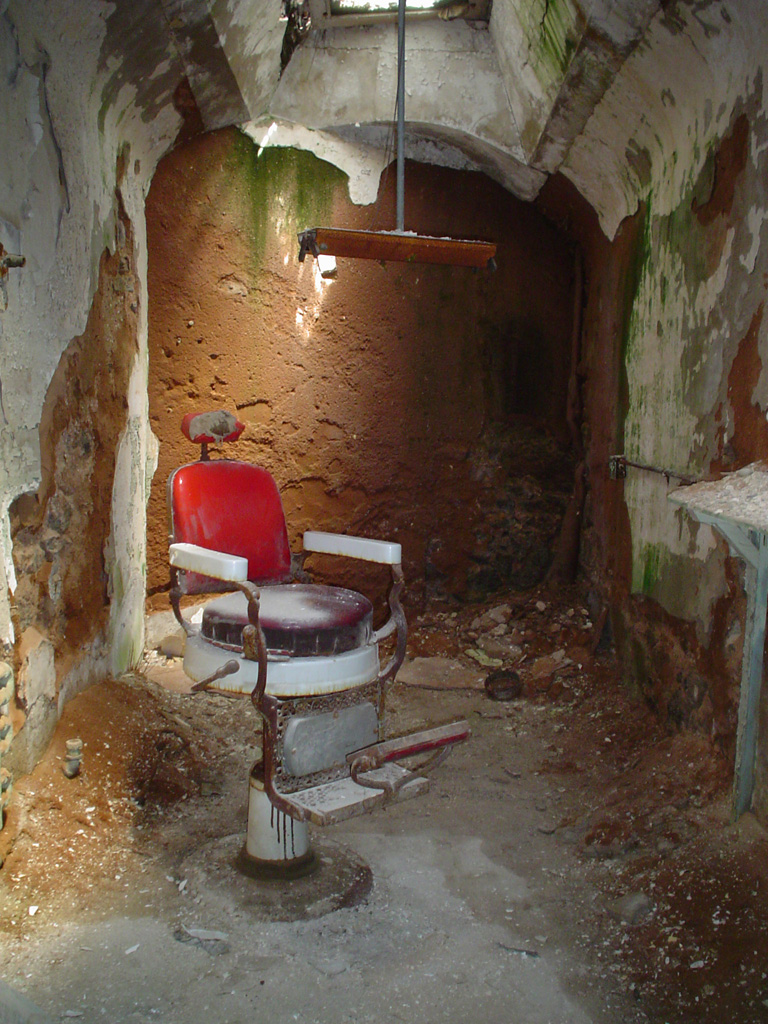
One underground cell contained a chair to which a single inmate would be strapped and left in the lightless room for days on end. Many such people were left permanently crippled from the experience.
But the isolation would not last. After a while, the prisoners were forced to cohabitate until it became too crowded and shut down.
A Museum Of Torture And What We Wished Was Forgotten
The infrastructure of the building, which includes decaying walls and defunct furniture, has stood steadfast for over a century since its inception. We must witness this physical manifestation firsthand to fully grasp the gravity of our past errors and gain insightful knowledge.
It lay abandoned and deteriorating for more than twenty years. During this time, a myriad of plants and animals came to habitat within its walls. It was that it should be torn down.
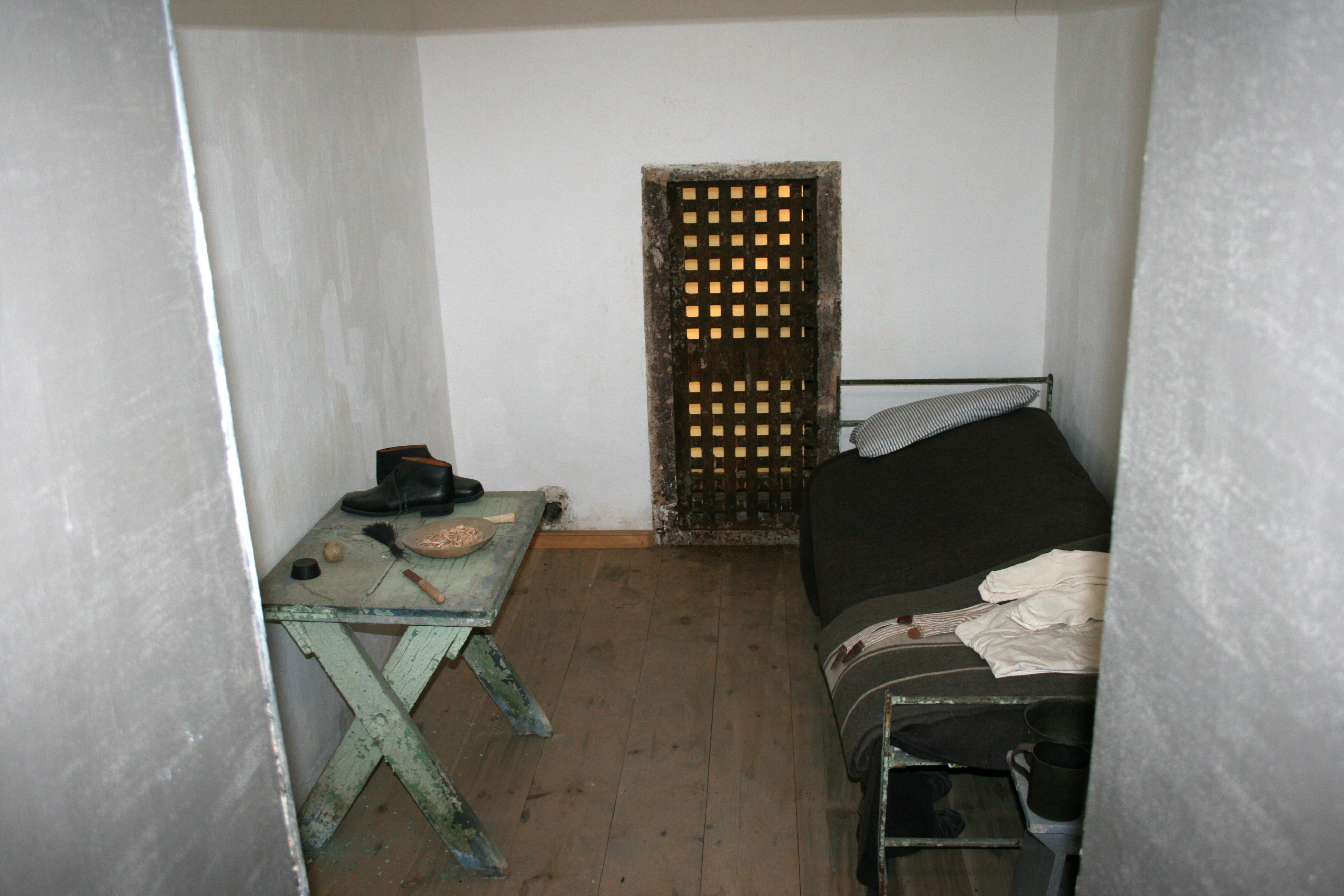
After this long uninhabited period, it was saved from redevelopment and made into a museum.
Now open to the public, the building was left standing as a reminder of the troubling past of this place. The museum gives a chance to reflect on these atrocious and archaic ideas that brought so much pain and death.
 Gothic Bite Magazine