

When we think of the medieval period, our minds often go to Camelot: knights in shining armour, long gowns, grand feasts, and stories immortalized by movies and TV shows. But what about Ireland?
The Meaning of “Medieval”
“Medieval” is synonymous with the Middle Ages: a long and complex period in European history that stretches from the 5th century AD (around 476) to the 16th century AD (approximately 1500s). It’s a millennium that continues to inspire artists, writers, and dreamers of all kinds.
The Middle Ages are commonly bracketed between the fall of the Western Roman Empire and the dawn of the Renaissance, or more globally, the rise of the Ottoman Empire. It’s a time defined by transformation, fragmentation, and relentless ambition.
What About the Dark Ages?
The term “Dark Ages” is typically used to describe the early part of the medieval period in Western Europe, particularly from 476 to 800 CE, when there was no centralized Roman authority in the West.

This era saw the collapse of institutions and the frequent outbreak of warfare. It was a time of dramatic upheaval, with migrating peoples like the Huns, Goths, Vandals, Bulgars, Alans, Suebi, and Franks disrupting the old order.
Today, historians avoid using the term “Dark Ages,” as it unfairly paints entire civilizations with a brush of stagnation and barbarism. The phrase is now considered outdated, even offensive, because it diminishes the complexity and resilience of early medieval societies.
I, myself, use it in a more beautifully macabre sense, but that isn’t the official description of the term.
Ireland in the Middle Ages
Early medieval Ireland was divided into numerous kingdoms, each ruled by its own king, similar to Anglo-Saxon England.
Among the most significant figures was Cennétig mac Lorcáin of the Dál gCais (also known as the Dalcassians), who ruled the kingdom of Tuadhmhumhain—Gaelic for “North Munster,” sometimes identified with the region around modern-day Limerick.
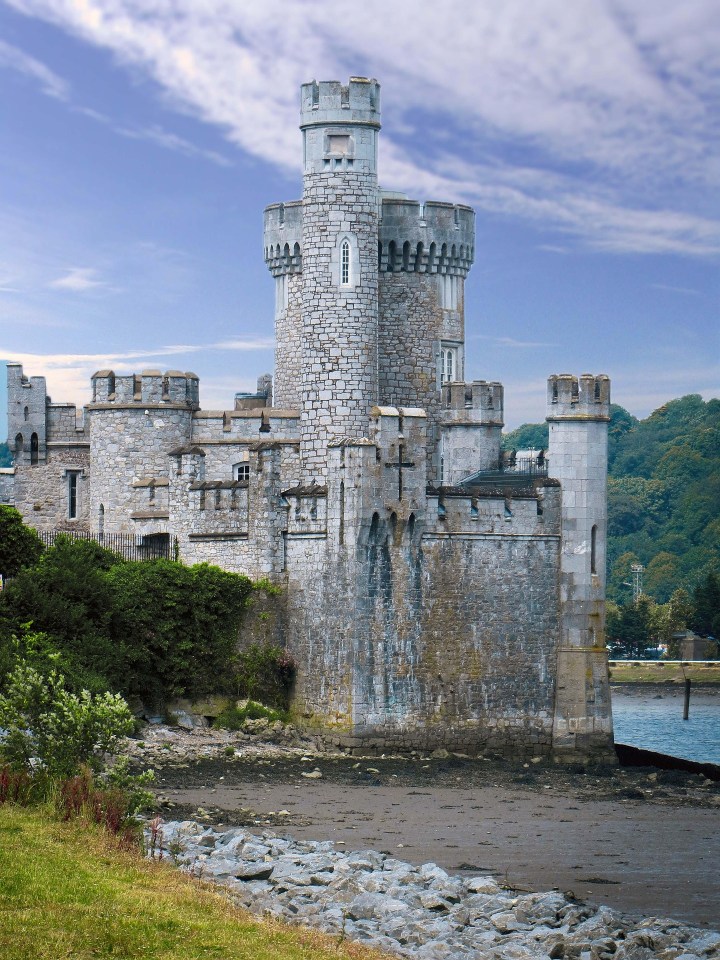
Limerick, at the time, was home to both Gaelic Irish and Norse settlers. The collapse of the unified Kingdom of Munster in the 12th century created tension between rival houses like the Ó Briain (O’Brien) and the Mac Cárthaigh (MacCarthy.)
But before that division, Cennétig laid the groundwork for what would become one of Ireland’s most powerful dynasties.
A Life of Fortunate Events
Cennétig’s father, Lorcáin mac Lachtna, ruled the Dál gCais and held the abbacy of Tuam Greine. His branch of the family belonged to the house of Uí Thairdhealbhach, distantly related to the Uí Bhloid, who were also prominent rulers of the region.
In 934 AD, following the death of Rebeachan mac Mothla, Lorcáin became the first of his house to rule over the Dál gCais. Cennétig succeeded him, and with ambition burning, set out to elevate his family to royal supremacy.
Cennétig’s primary wife was Beibhinn, daughter of King Urchadh mac Murchadh of Iar Connacht. Like most political marriages of the time, it was a strategic alliance.
Though he reportedly had several wives, Beibhinn is the only one mentioned by name in the sources.
Cennétig Versus Cellachán
As High King of the Dál gCais, Cennétig launched military campaigns well beyond his territory. He led raids along the River Shannon, reaching as far south as Athlone.
In the mid-10th century, he began a prolonged struggle against the ruling Munster dynasty, the Eóganachta. His goal?
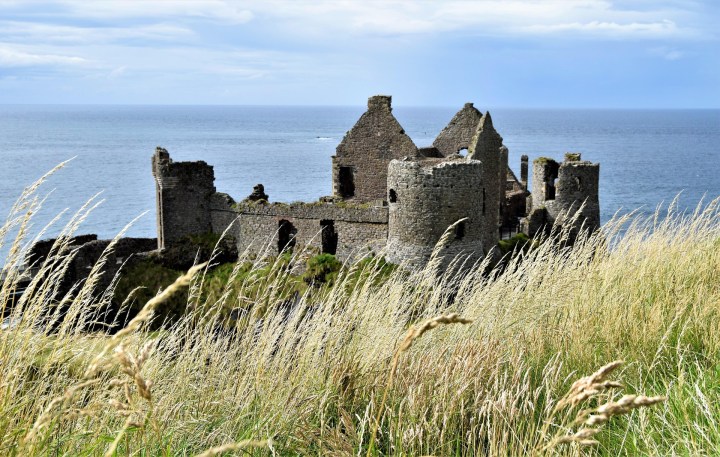
To claim Munster’s throne. To fortify his political power, he arranged the marriage of his daughter, Órlaith, to the High King Donnchad Donn, forging an alliance between the Dál gCais and the Uí Néill against King Cellachán Caisil of Munster.
However, in 944, Cennétig lost two sons, Dub and Finn, in the Battle of Gort Rottacháin near Mag Dúin, a clear blow to his campaign.
Though some sources like An Leabhar Muimhneach (The Book of Munster) claim he won a battle at Saingleann (modern-day Singland, Limerick), the tide was clearly turning against him.
The Munster Struggles Continue
Cennétig was undeterred. In the 950s, he challenged High King Congalach Cnogba of Brega. The conflict again proved costly: his sons Donncuan and Echthighern perished in the fighting.
Congalach retaliated with the support of Leth Cuinn, the northern half of Ireland, and ravaged lands along the River Shannon, cutting into Cennétig’s territory. The skirmishes revealed the high stakes and high costs of kingship.
The Bloodline of a “High-ish” King
Cennétig is believed to have had twelve sons and one daughter. Of these, only five sons left behind historical legacies: Brian, Mathgamain, Donncuan, Echthighern, and Anlón. The other sons, Lachtna, Finn, Dub, Marcán, Flann, Conchobar, and an unnamed son, left little trace, often because they died young or without issue.
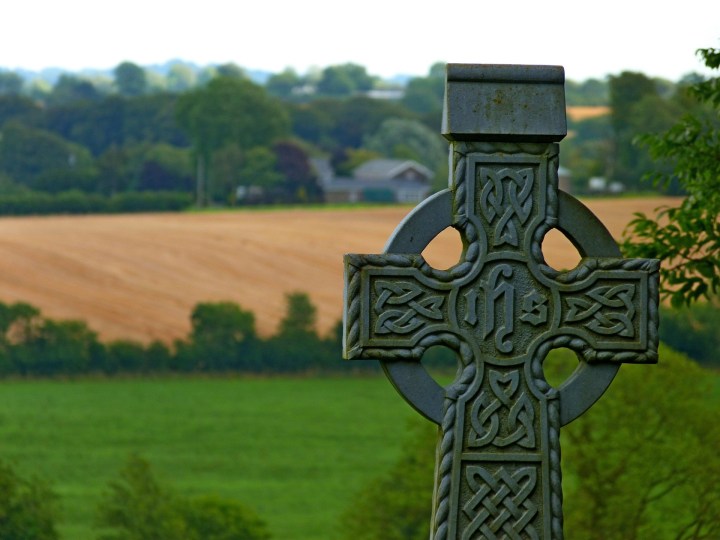
Órlaith, his only daughter, as far as the records show, was executed in 941 on the orders of her husband, High King Donnchad Donn, after being accused of adultery with her stepson Óengus. That Donnchad chose death over divorce shows Cennétig’s political limits. He was not quite powerful enough to shield his daughter from royal wrath.
Yet, arranging that marriage in the first place shows just how far the Dál gCais had risen under Cennétig’s leadership.
The Death of Cennétig mac Lorcáin
Cennétig died in 951. According to the Chronicon Scotorum, he was merely a regional ruler—King of the Dál gCais. However, the Annals of Ulster acknowledge him as “rí Tuadmumu” (King of Thomond), and the Annals of Inisfallen refer to him as a contender for the kingship of Cashel with the title “rídamna Caisil.”
His death is murky. Some sources suggest he was slain, though they don’t specify by whom. Both Cogad Gáedel re Gallaib (“The War of the Irish with the Foreigners”) and the Book of Leinster mention his death as violent, possibly involving the Vikings of Limerick, who were a frequent threat to Irish rulers at the time.
Brian Boru Rises
After Cennétig’s death, his son Lachtna succeeded him, but he was murdered in 953 by the Uí Chearnaigh and Uí Floinn. His brother Mathgamain took the throne next, ruling until his own death in 976.
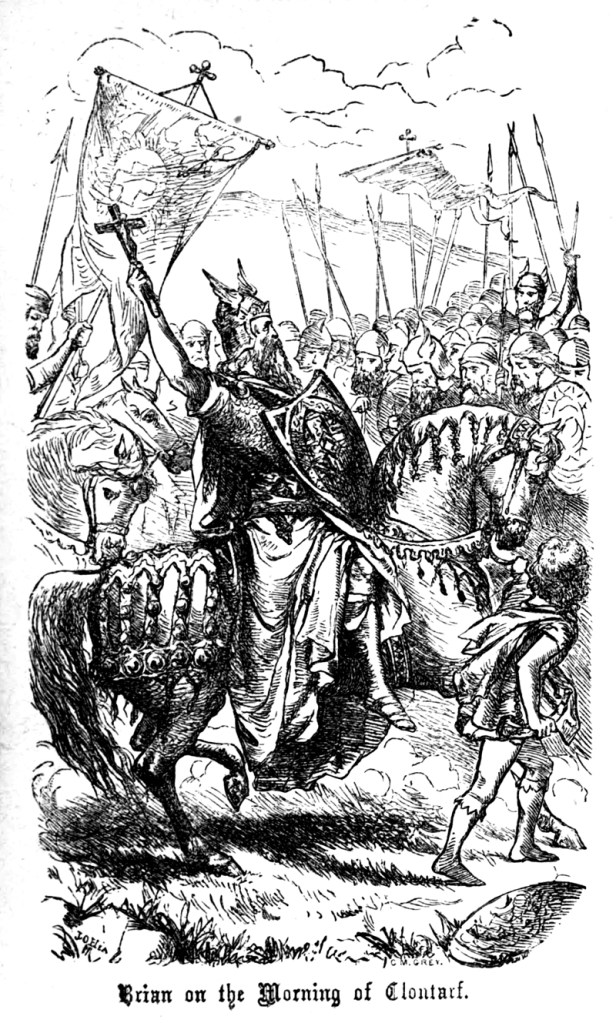
The last and most legendary of Cennétig’s sons, Brian Boru, then rose to power. He not only ruled the Dál gCais but ultimately overthrew the Eóganachta to become the High King of Ireland in 1002, a feat his father had only dreamed of.
Marcán and Inis Cealtra, sons of Queen Beibhinn, remained loyal to Brian and are recorded as being close to him even at his death at the Battle of Clontarf in 1014.
A Historical Conclusion
The medieval past can be a labyrinth. Distinguishing between myth, bias, and fact is tricky. Yet, the motivations of people like Cennétig mac Lorcáin still resonate. He wanted power, for himself, for his sons, and for his kingdom. He forged alliances, arranged marriages, and led armies. He gambled with the lives of his children. He didn’t achieve the crown of Ireland, but he laid the path for Brian Boru to claim it.
We may look at history through a different lens today, but human nature hasn’t changed much. The hunger for power, legacy, and greatness still drives people, whether they wear crowns or business suits.
 Gothic Bite Magazine